How MotoGP Kept Sepang Alive for F1’s Wildest Return in History
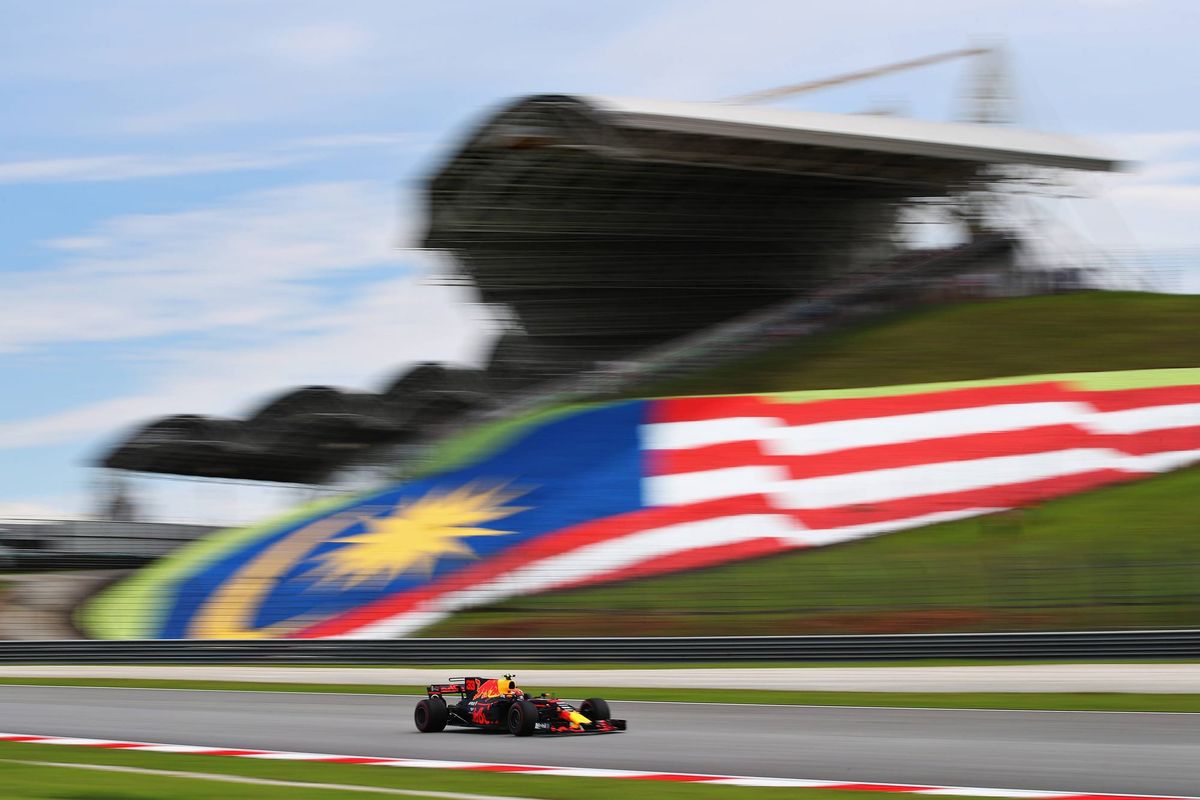
THE RETURN OF REAL F1 TO SOUTHEAST ASIA
When the announcement dropped that Formula 1 would return to the PETRONAS Sepang International Circuit from October 2–4, 2026, the reaction across Southeast Asia was instantaneous. From social media posts to online forums, the sentiment was clear: Southeast Asia’s true motorsport temple is back.
For nine years, fans in the region faced a difficult choice if they wanted to watch F1 live in the app in their phones, or travel to the Marina Bay Street Circuit in Singapore. While Singapore puts on an impressive concert-driven spectacle, it has increasingly grown beyond the reach of average racing fans. With ticket packages running into thousands of dollars, hotel rates skyrocketing during race week, and a street layout constrained by concrete walls, Marina Bay became an event reserved primarily for corporate hospitality, affluent tourists, and elite jet-setters.
Sepang represents the exact opposite. Built under the vision of former Prime Minister Tun Dr. Mahathir Mohamad and opened in 1999, Sepang was purpose-designed for true technical racing and accessibility. Sepang Circuit is the first completely new Formula 1 track designed from a blank canvas by the famous track designer Hermann Tilke. With affordable ticket prices, reasonable local food and accommodation, and sweeping views of actual high-speed racing, Sepang has always been the working fan's Grand Prix.
Online, the global and regional reaction to the news reflected this exact divide:
"Singapore is a party where a race happens to break out. Sepang is a cathedral of speed. You go to Singapore to see pop stars; you go to Sepang to watch drivers fight tropical storms at 300 km/h."
Motorsport Community Comment, Reddit /r/formula1
"Finally, an Asian F1 race I can actually afford to take my family to without taking out a second mortgage. Sepang has always been for the real fans."
Local Southeast Asian Motorsport Group
Although ticket prices, hotel bookings are yet to be finalised, the hospitality may take a hit since Liberty's change in how things work. According to regional logistics operator Red Rock Travel, major hotel chains and short-term rentals near KLIA have frozen general public inventory, securing room blocks for F1 team staff, suppliers, and media before releasing residual inventory at adjusted rates.
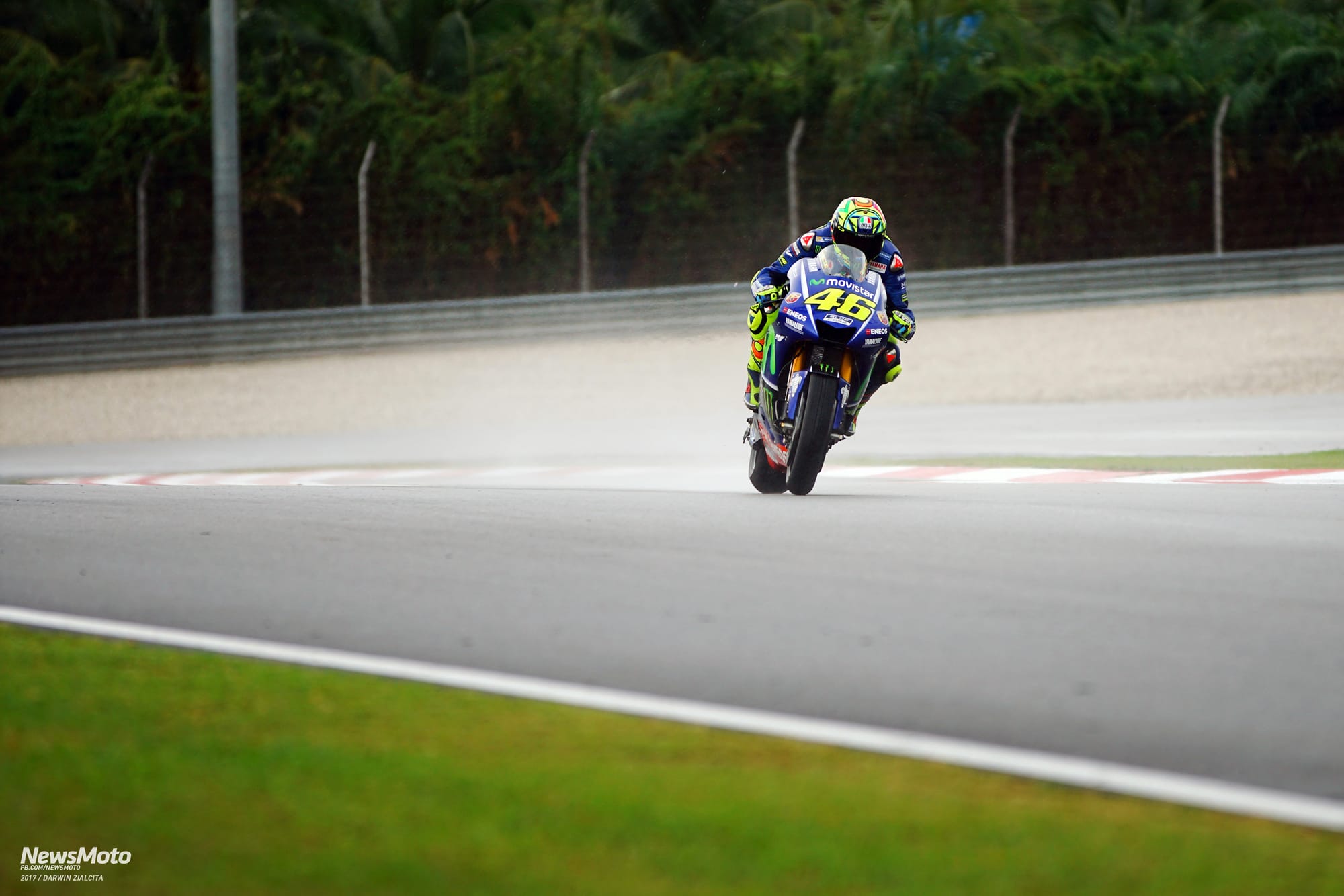
THE PHOTOGRAPHER’S CANVAS: 18 YEARS TRACKSIDE
Having shot trackside at Sepang for 18 years covering MotoGP, the Asian Road Racing Championship (ARRC), and Formula 1, I can tell you that from an operational and media standpoint, few facilities in the world match it.
Situated minutes from Kuala Lumpur International Airport (KLIA), Sepang offers an unmatched combination of accessible photography vantage points, world-class media center amenities, and highly trained track marshals. While the technical details of the track surface tell one story, the layout through a lens tells another:
- Turn 1, 4, and 5: Accessible entirely on foot for credentialed media without relying on circuit shuttles and scooters, offering clean action shots.
- Turn 3: The iconic high-speed sweeping right-hander. This is where you see the raw power in the corners, specifically watching MotoGP rear tires slide out under full throttle load.
- Exit of Turn 4: Guaranteed "wheelie section" where riders consistently lift the front wheel during slowdown and victory laps. May be different in F1
- Turn 9: The slowest corner on the circuit, situated at the base of an uphill climb. It places media right on top of the action as you can hear cars short-shift into the hill.
- Turn 15 (Final Hairpin): A wide, sweeping hairpin engineered so close to the main grandstand that fans sitting in the seats can capture solid photos with their own cameras and lenses. No media vest required.
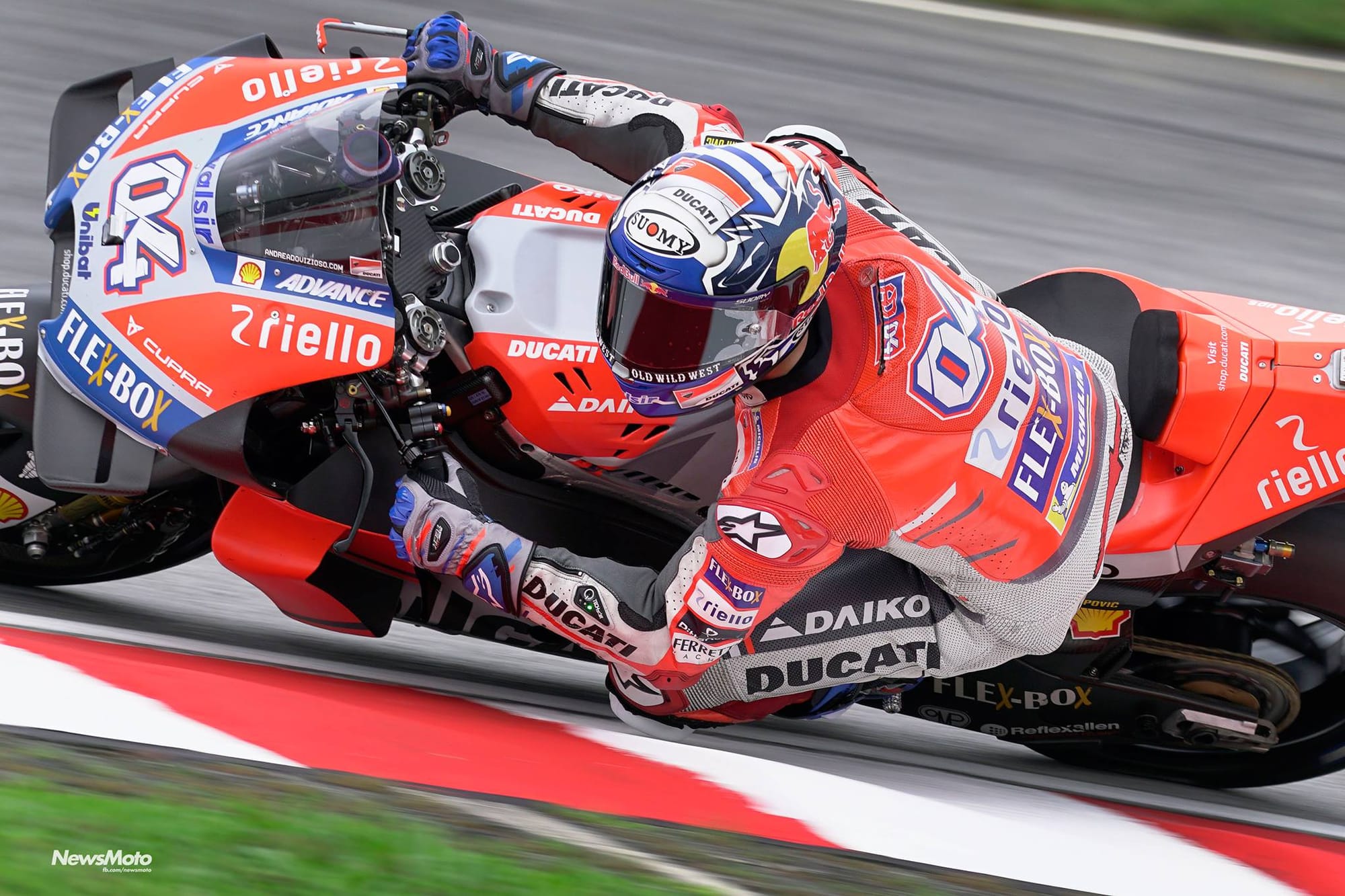
SO HOW MOTOGP SAVED F1’S RETURN
The central paradox of Sepang’s 2026 comeback is that Formula 1 would have had nowhere to race were it not for two-wheel racing. When F1 departed Malaysia after 2017 due to escalating hosting fees, Sepang did not fall into disrepair like former host tracks in Korea or India.
Instead, Dorna Sports and MotoGP maintained Sepang as an anchor venue on the World Championship calendar. To keep the track compliant with evolving FIM (Fédération Internationale de Motocyclisme) safety demands, circuit designer Jarno Zaffelli and his Italian firm, Studio Dromo, executed comprehensive structural overhauls:
STUDIO DROMO'S TURN 15 REDESIGN:
OLD LAYOUT (Pre-2016)
• Standard Positive Banking
• Monsoon water pooled at apex
• Single dominant racing line
NEW LAYOUT (Post-2016)
• 1-Meter Reverse Banking
• Water drains away from apex
• Multiple line choices for cars
- The Reverse Banking of Turn 15: In 2016, Studio Dromo raised the outer edge of the final hairpin and lowered the inner curb by one meter, creating negative (reverse) banking. This forced tropical monsoon rain to drain away from the apex rather than forming dangerous standing puddles across the racing line.
- Phased Resurfacing: Sections from Turn 7 to Turn 12 underwent continuous re-asphalting using specialized thermal-resistant aggregate to prevent bitumen bleeding under equatorial heat.
- Safety Drainage: Drainage channels alongside the long straights were widened to prevent high-speed aquaplaning.
Because MotoGP required an elite, highly maintained track, Sepang preserved its FIA Grade 1 certification continuously throughout F1's nine-year absence.
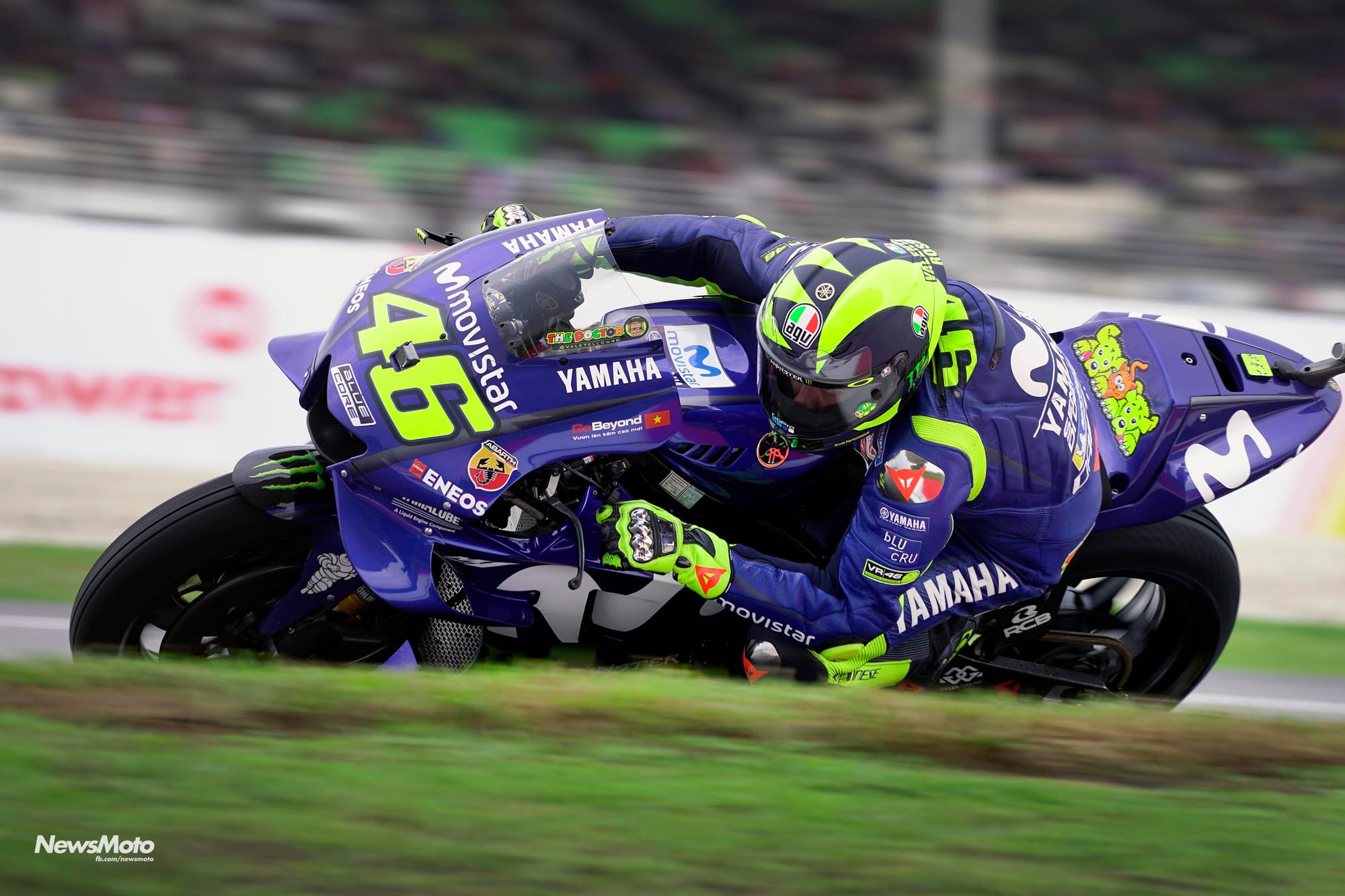
4. FAST FACTS: THE 2026 SEPANG DOUBLE-HEADER
- Official Event Name: Formula 1 Gulf Air Bahrain Grand Prix in Malaysia.
- Event Dates:
F1 October 2–4, 2026
MotoGP October 30 – November 1, 2026
- Calendar Slot: Positioned directly between the Azerbaijan (Baku) and Singapore Grands Prix.
- Circuit Length: 5.543 km | 15 Turn Layout (5 Left, 10 Right) | 2 Parallel 900m Straights.
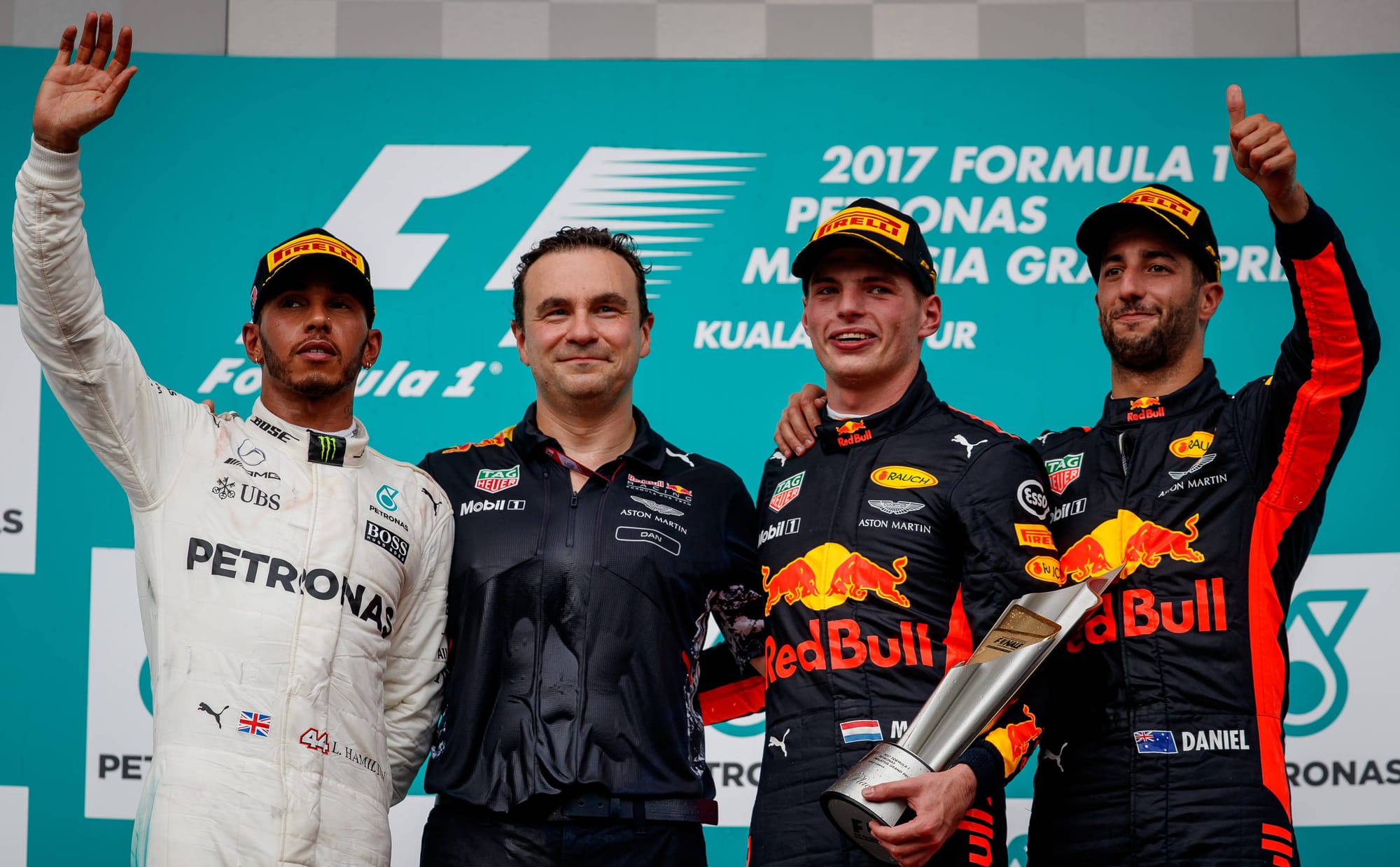
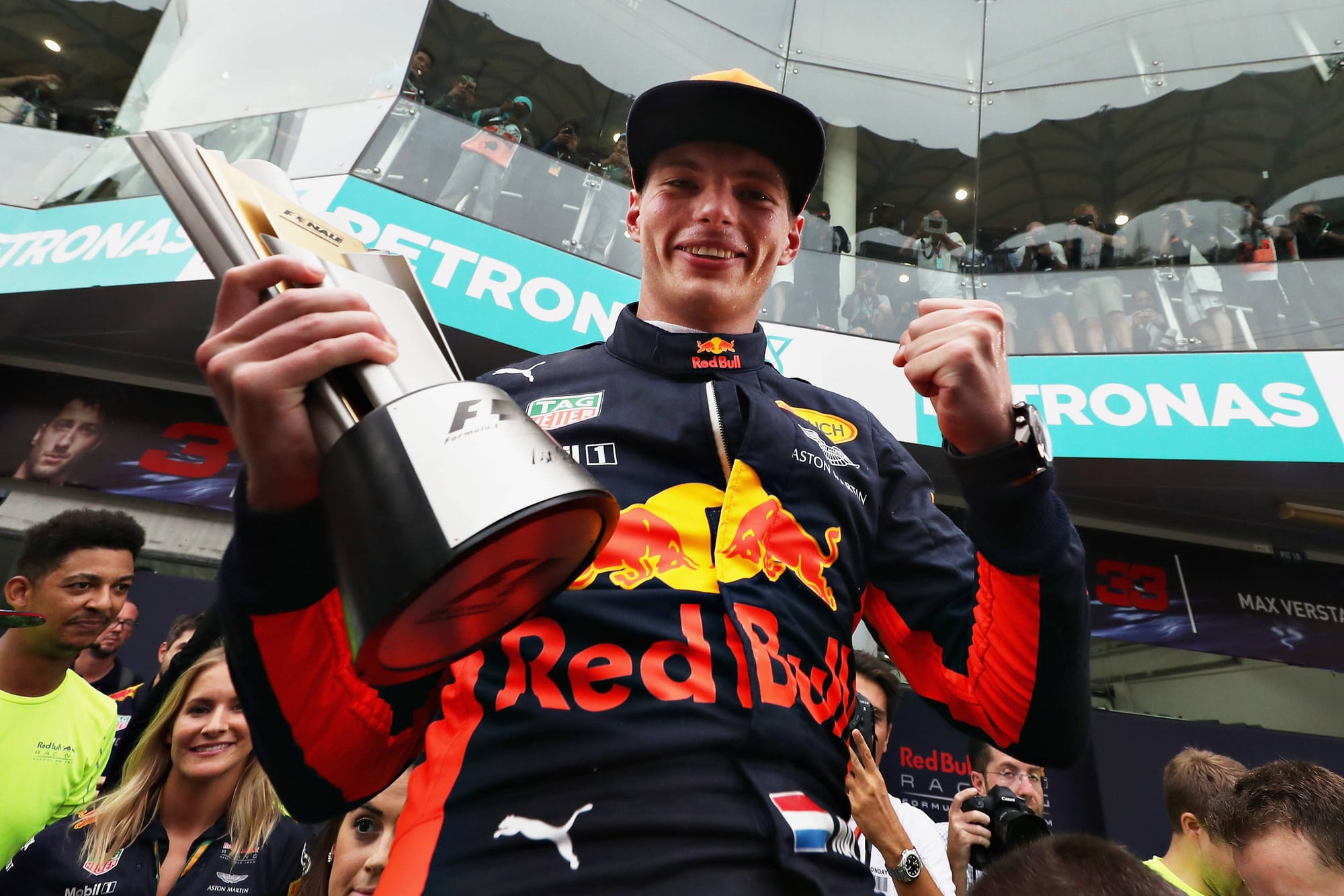
Only 10 active 2026 drivers have started an F1 Grand Prix at Sepang
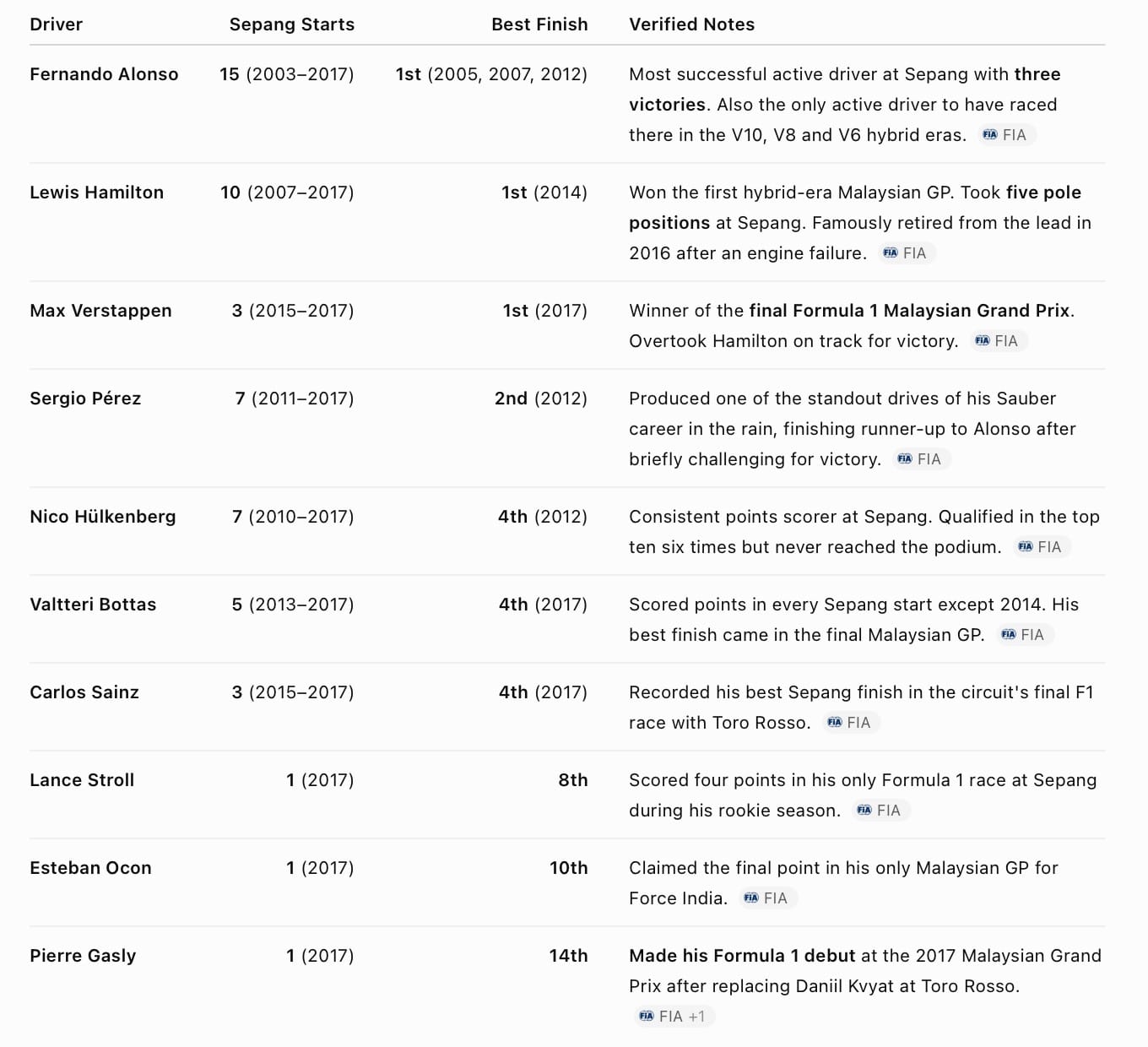
The following current 2026 drivers never raced an F1 Grand Prix at Sepang:
- Charles Leclerc (F1 debut 2018)
- George Russell (2019)
- Alex Albon (2019)
- Lando Norris (2019)
- Oscar Piastri (2023)
- Liam Lawson
- Isack Hadjar
- Oliver Bearman
- Gabriel Bortoleto
- Franco Colapinto
- Kimi Antonelli
- Arvid Lindblad
- 10 of 22 drivers (45.5%) on the current grid have previous Formula 1 race experience at Sepang.
- 12 of 22 (54.5%) have never raced an F1 Grand Prix there
Other notable Sepang connections
- Lewis Hamilton and Fernando Alonso are the only active drivers to have raced there during the V10/V8 transition era and the hybrid era.
- Fernando Alonso competed at Sepang across three engine regulations:
- 3.0L V10 (2003–2005)
- 2.4L V8 (2006–2013)
- 1.6L V6 Turbo Hybrid (2014–2017)
- Hamilton won the first hybrid-era Malaysian GP (2014).
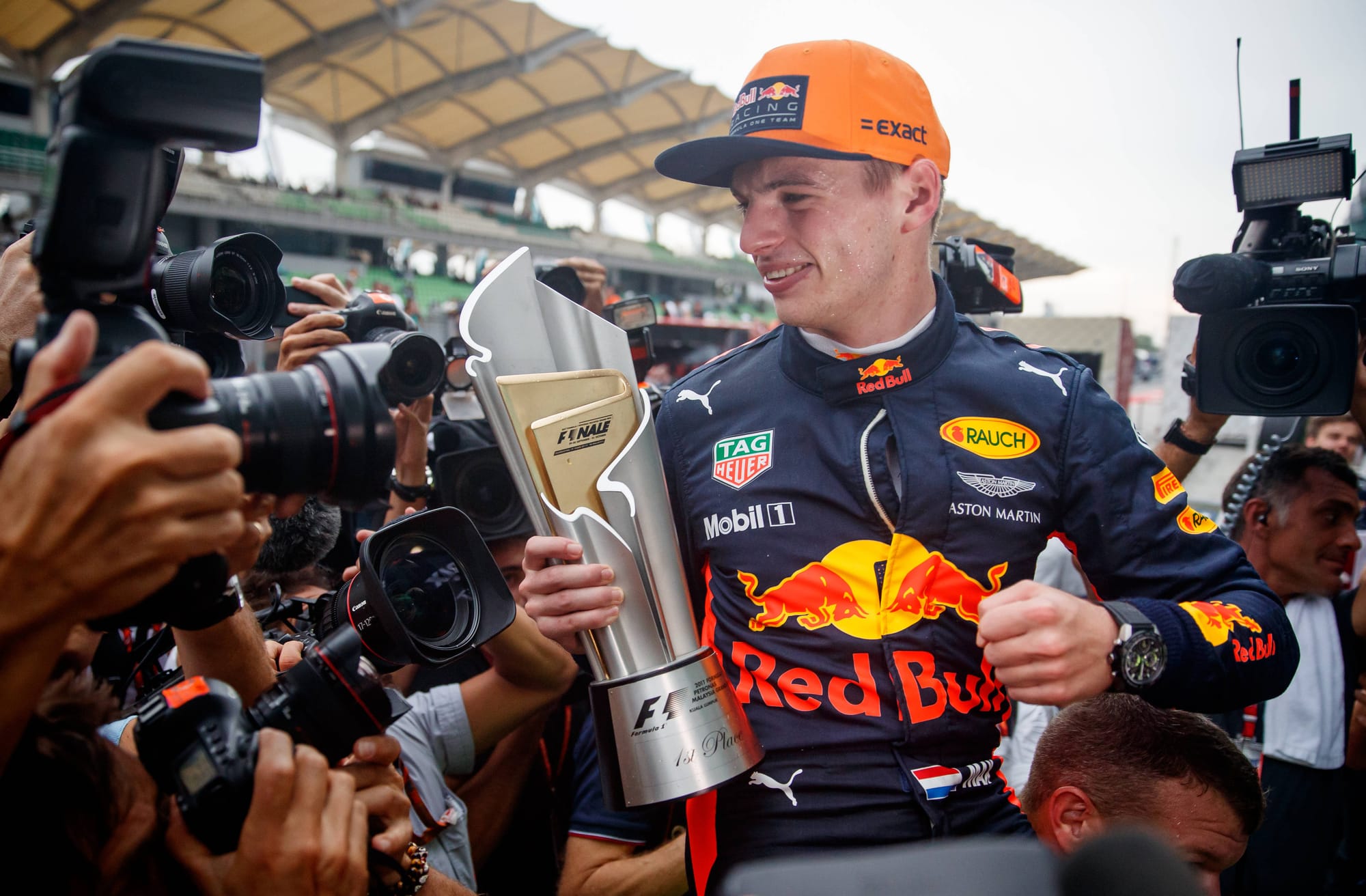
- Verstappen won the last-ever F1 race held at Sepang (2017).
- Gasly, Ocon, and Stroll each raced there only once, making them the least experienced active drivers at the circuit despite having prior F1 experience there.
"Who Pays Who?" The Bahrain-Malaysia State Agreement
The commercial mechanics of the 2026 event represent an unprecedented diplomatic solution in modern motorsport.
Following Middle East regional schedule changes that forced the postponement of the Sakhir event, the Kingdom of Bahrain faced contractual obligations regarding its long-term hosting fees owed to Formula One Management (FOM). Rather than cancelling the round entirely, an intergovernmental agreement was established:
- Bahrain Honors FOM Contract: The Bahrain International Circuit (BIC) pays Formula 1 its contracted hosting fee.
- Bahrain Leases Sepang: Bahrain acts as the primary financial promoter, paying Sepang International Circuit (SIC) and the Malaysian government for venue rental, operational execution, and local logistics.
- Joint Promoter Model: Malaysia provides the facility and local staff while sharing gate receipts under a joint commercial framework, allowing Malaysia to host F1 without risking state funds.
Official Statements
His Royal Highness Prince Salman bin Hamad Al Khalifa (Crown Prince & Prime Minister of Bahrain):
"With the blessings of His Majesty King Hamad bin Isa Al Khalifa, King of Bahrain, and His Majesty Sultan Ibrahim Ibni Sultan Iskandar, King of Malaysia... I am proud to join Dato' Seri Anwar Ibrahim, Prime Minister of Malaysia in announcing that Bahrain will host the Formula 1 Grand Prix at the Sepang International Circuit... Amid ongoing regional challenges, Bahrain is proud to stand as a pillar of stability for Formula 1."
Dato' Seri Anwar Ibrahim (Prime Minister of Malaysia):
"This collaboration is more than the staging of a world-class sporting event. It reflects the enduring friendship, mutual trust and close partnership between Malaysia and the Kingdom of Bahrain, while reaffirming Malaysia's readiness and capability to host major international events."
Stefano Domenicali (President & CEO, Formula 1):
"Once again, the sport has demonstrated its ability to adapt, find solutions, and deliver... Malaysia is an incredible country, and Sepang holds a special place in Formula 1 history."
Physical Preparation: LiDAR Scans vs. Environmental Heat Chambers
Because the majority of current F1 drivers have never driven a real car at Sepang, teams are using two distinct technologies to prepare:
- Sub-2mm LiDAR Simulation: F1 simulators utilize laser point-cloud scans accurate to within two millimeters. This allows engineers to simulate standing water pooling on Turn 9 and Turn 15, teaching young drivers off-kill wet lines before ever touching down in Malaysia.
- Environmental Heat Chamber Training: To prepare for Sepang's equatorial climate (ambient temperatures exceeding 35°C and humidity above 80%), drivers undergo cardio training inside climate rooms heated to 40°C while wearing full Nomex racing gear. This conditions the nervous system to handle core body temperature spikes and sweat losses of up to 2 kilograms per hour without losing reaction precision.
PLANNING AN F1 TRIP TO SEPANG
Formula 1’s return to Sepang in October 2026 is a rare moment where geopolitics, commercial necessity, and sporting tradition align. While the financial logistics were solved in diplomatic offices in Manama and Kuala Lumpur, the physical reality remains: without the continuous commitment of MotoGP and two-wheel racing over the last nine years, Sepang’s asphalt would never have been ready for the return of the world's highest class of motorsport.