17 Things I Learned Riding Long Distance with Bikers Unlimited MC
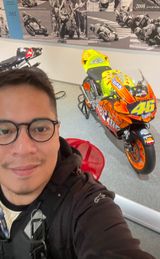
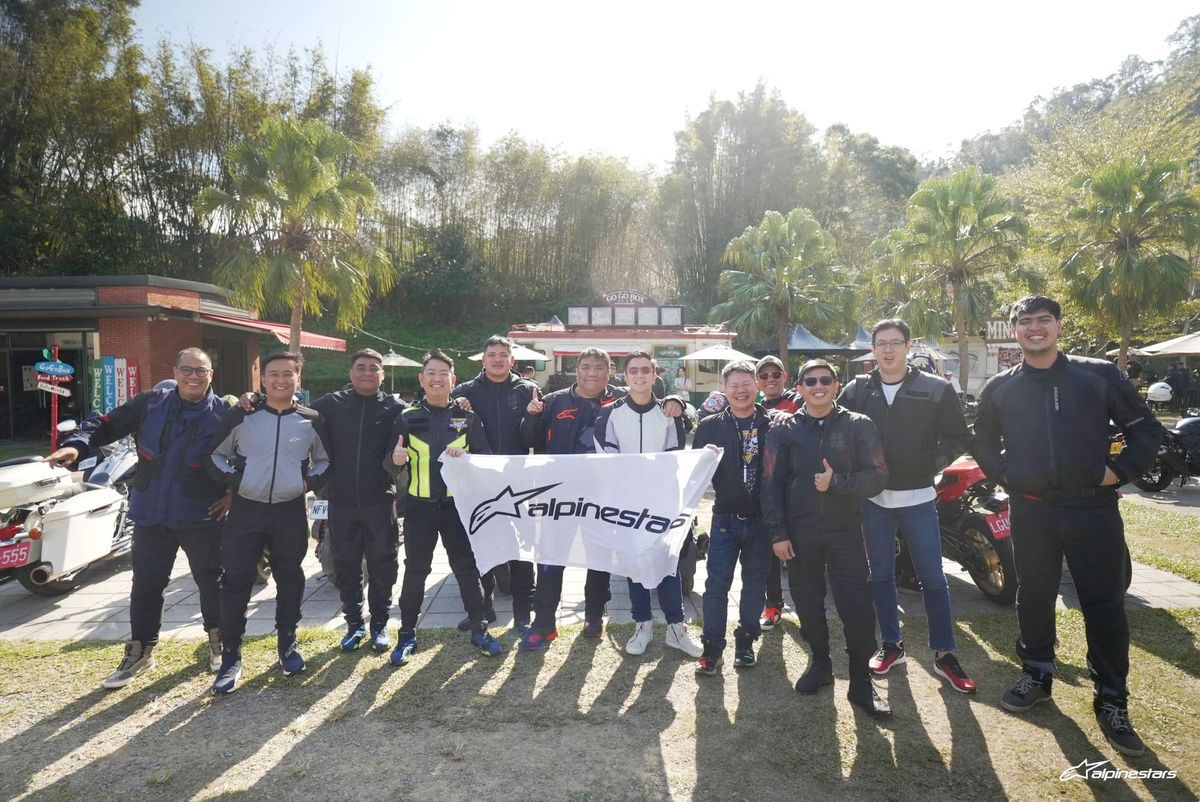
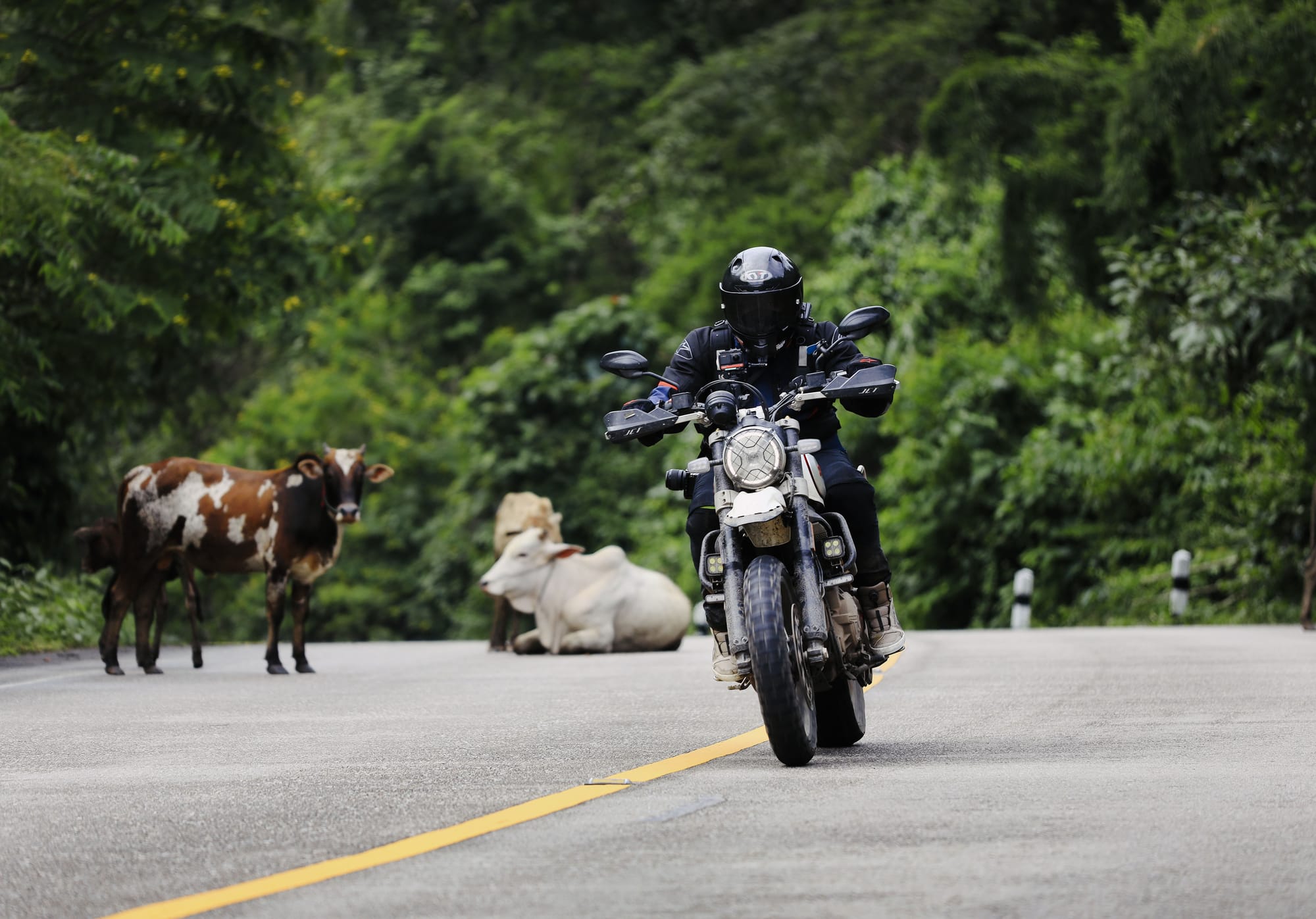
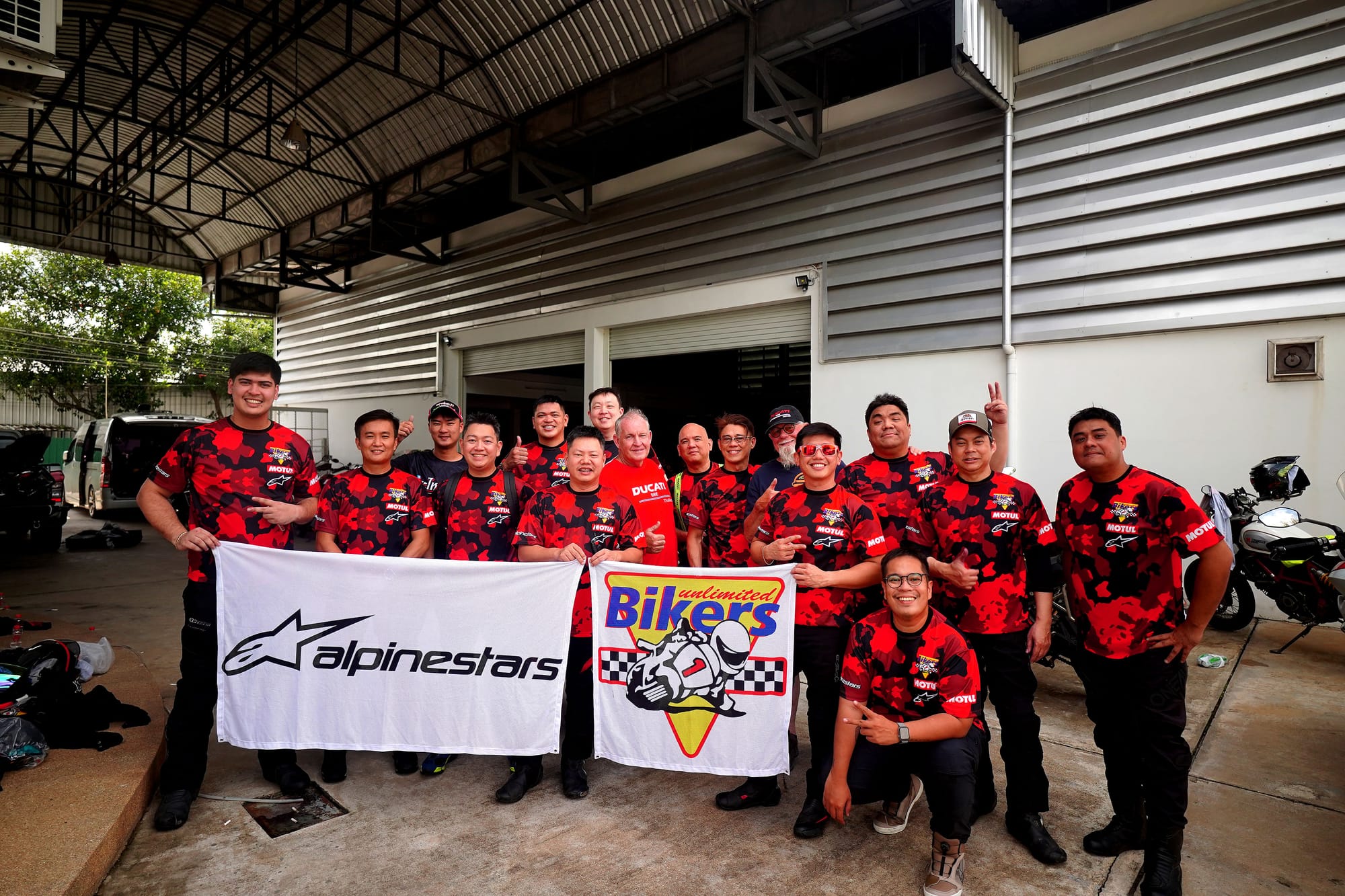
I have ridden a lot of different ways. On the track, scooters around the city, long-distance solo adventure rides and occasional light off-road. But the riding that taught me nuances of group riding is with my club, Bikers Unlimited MC.
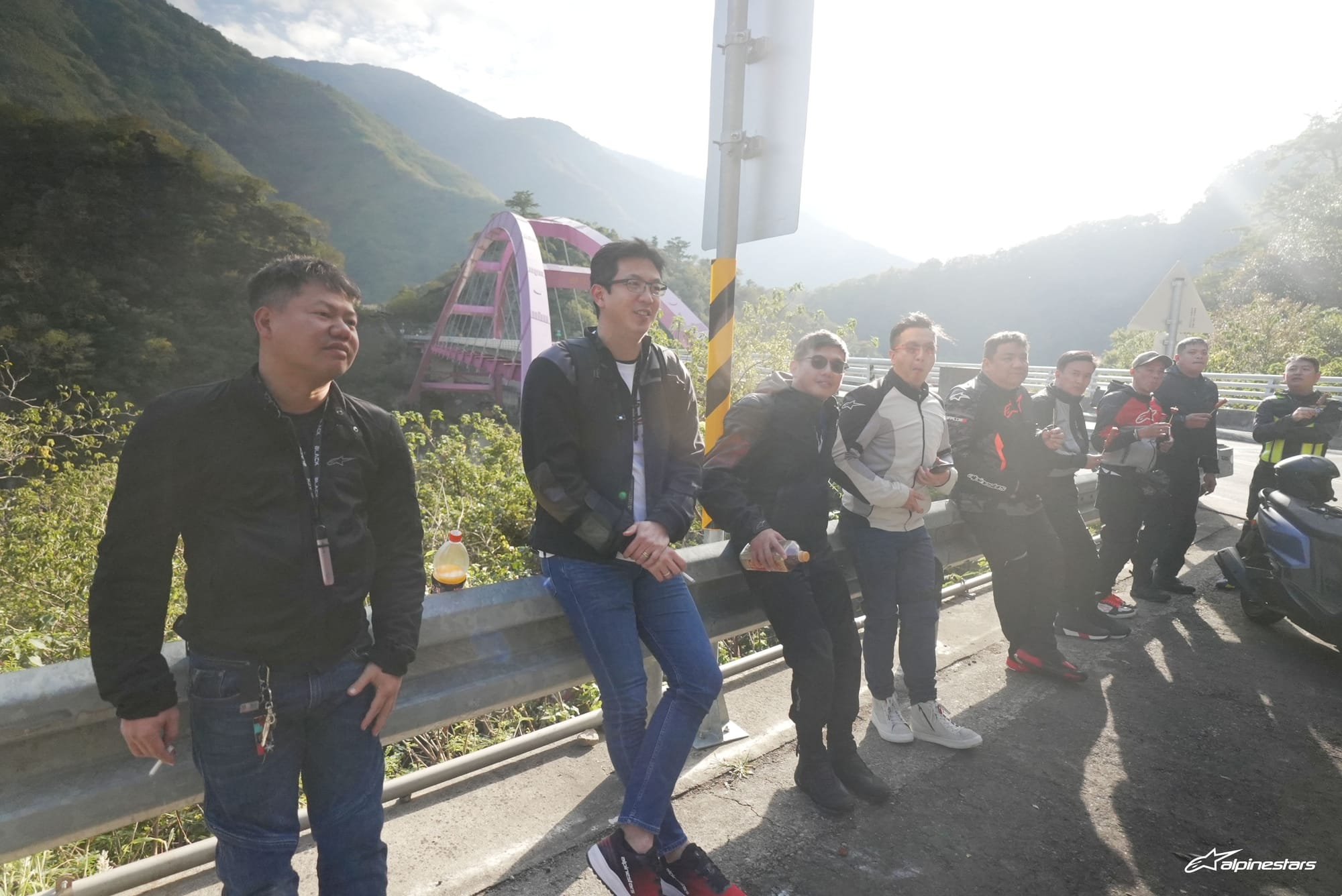
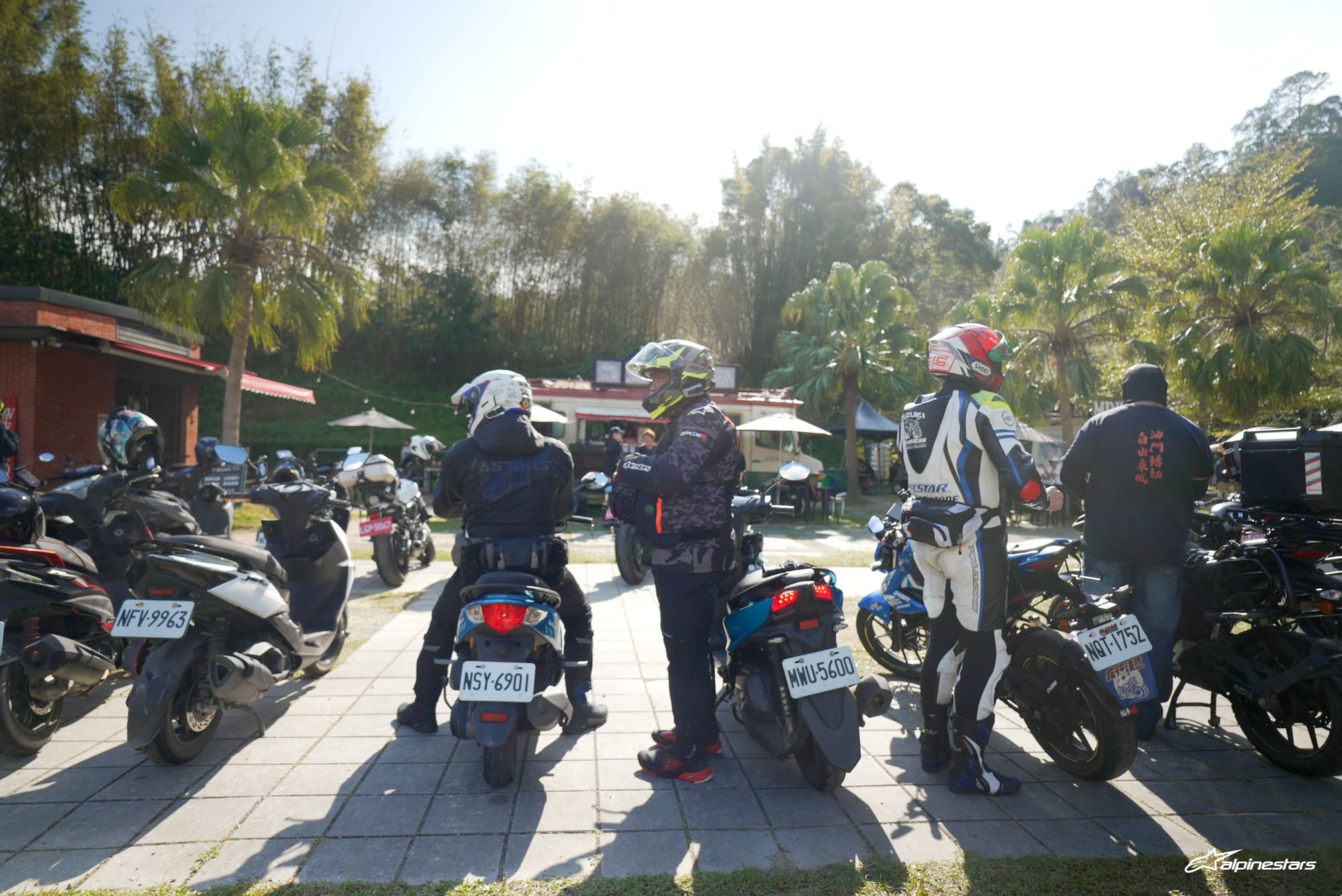
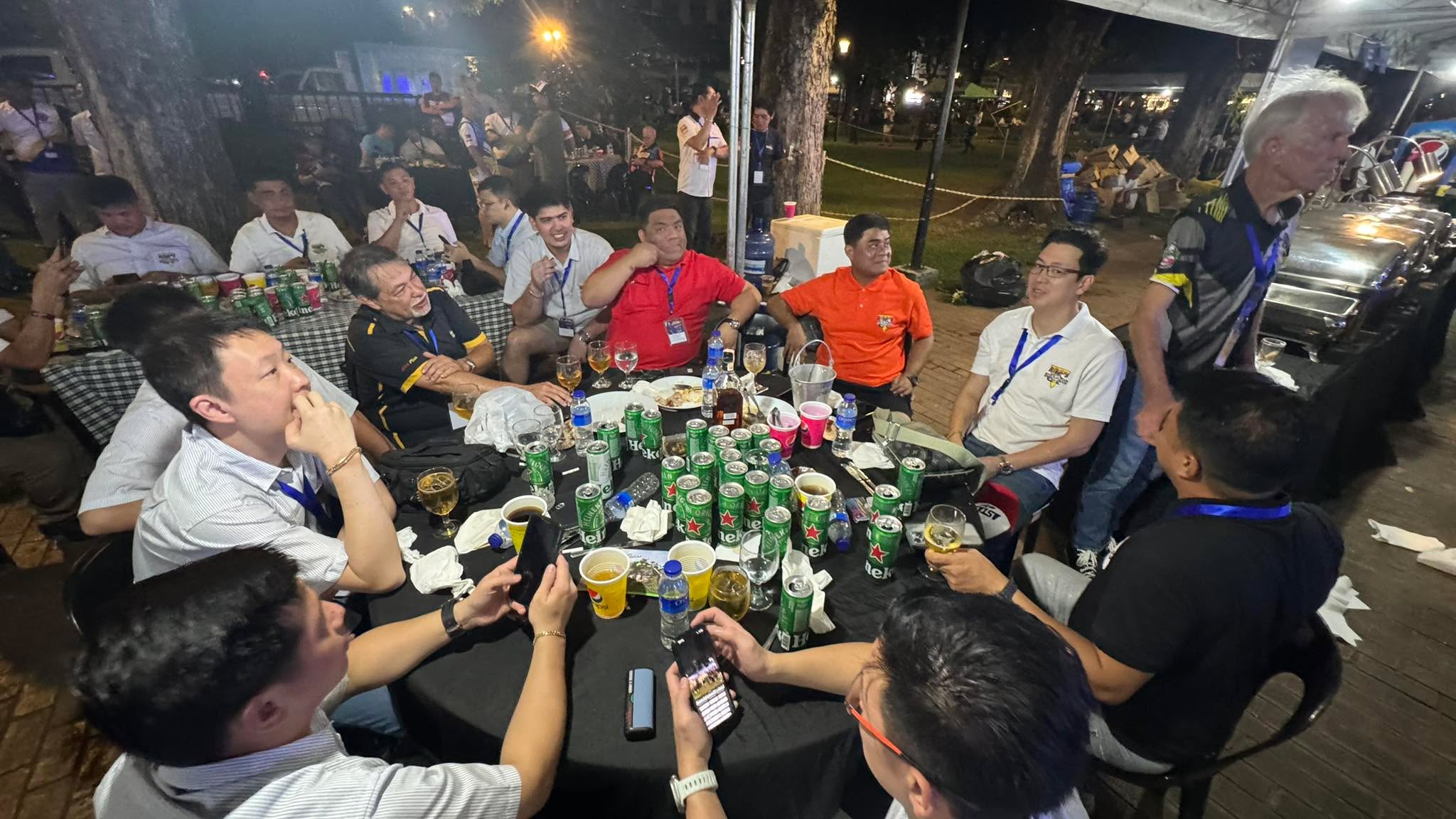
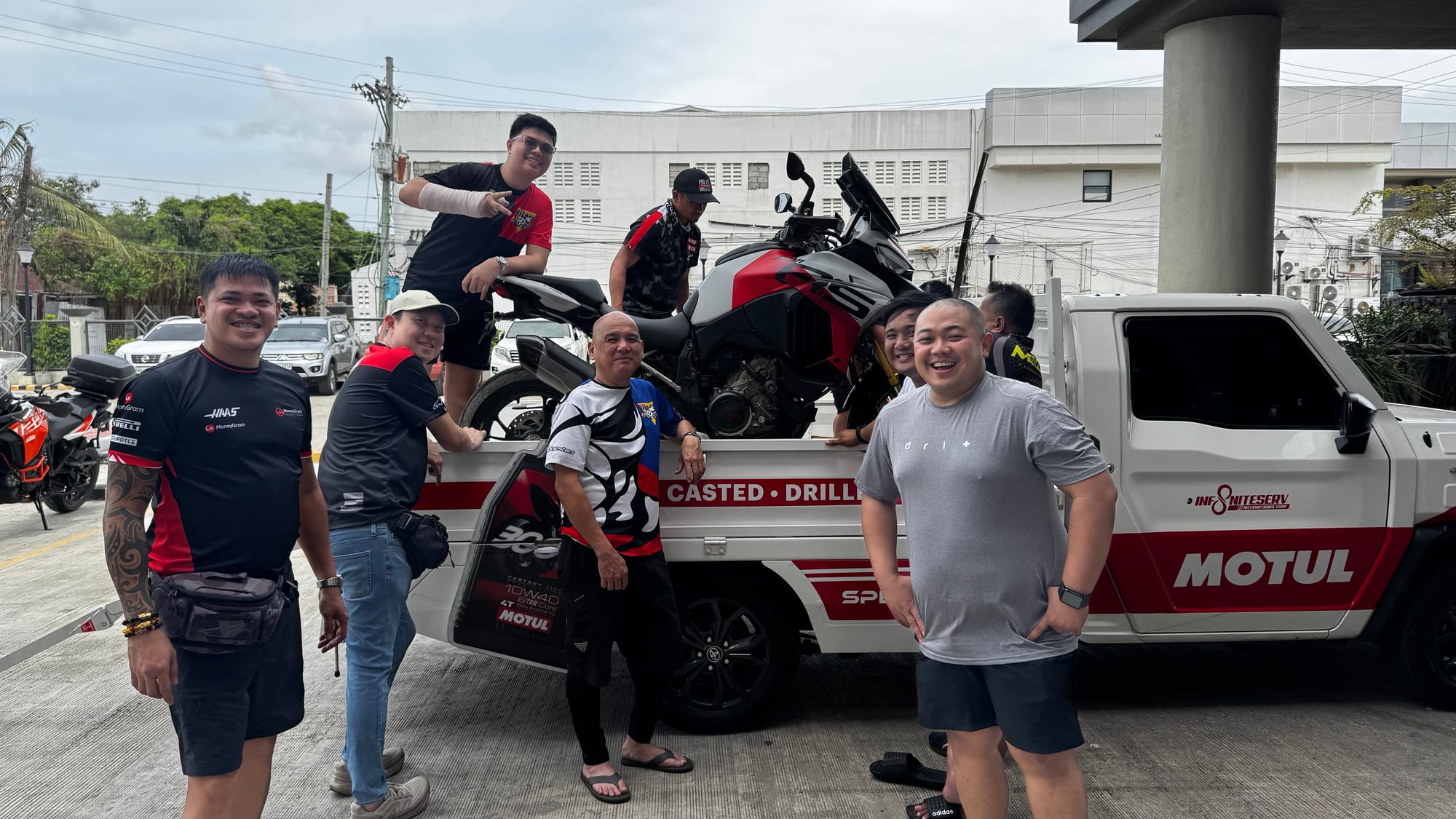
With them I have covered Luzon, Visayas and Mindanao, including the run to the national convention in CDO and Bacolod. We have taken the club abroad to Thailand and Taiwan. Through heavy rain, hot afternoons and fast, twisty roads, sometimes all in one day.
Here is what that mileage with them taught me. It is grouped into three phases: what you do before the ride, how you ride the road, and how you ride with people. Seasoned riders will recognize a lot of it. Some of it I learned the hard way:
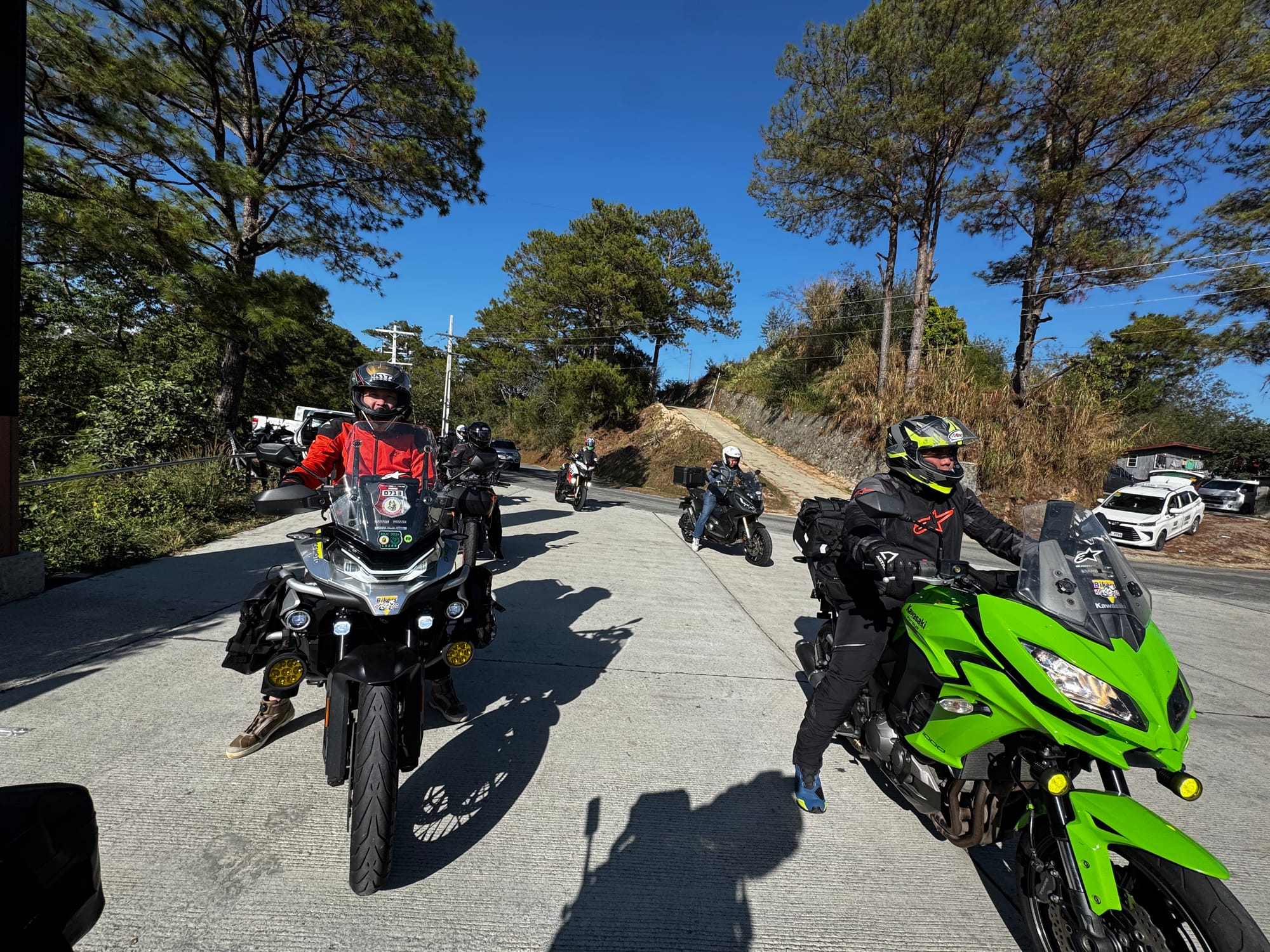
Phase 1: Before the Wheels Turn
1. Soft waterproof luggage beats hard panniers (for me)
Hard panniers look great. They are waterproof, secure and tidy. But they are heavy and bulky, and you feel it every time you park in a tight space. I prefer soft, waterproof luggage. It is expandable, it swaps easily between bikes, and it costs far less.
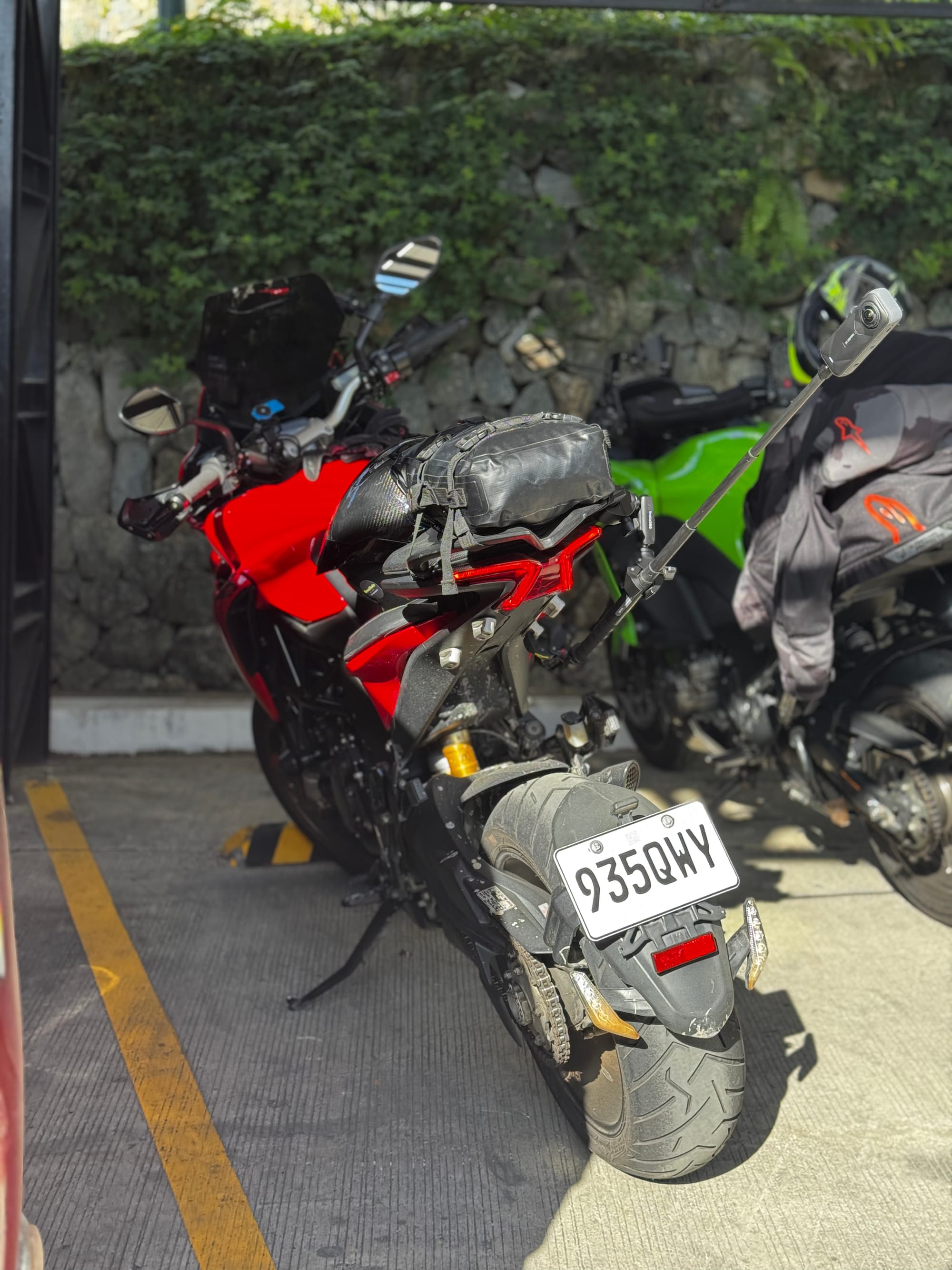
My workhorse is a 55L dry bag from Shopee. It has survived most of my rides. Soft luggage also saved me in Thailand. We rented bikes in Chiang Mai from DRE, and our bikes had no panniers at all. I had packed my large motorcycle dry bag for the flight, and with multiple mounting points, I strapped it on to the bike and rode out without a problem.
2. Keep the bike stock, and do a dry run.
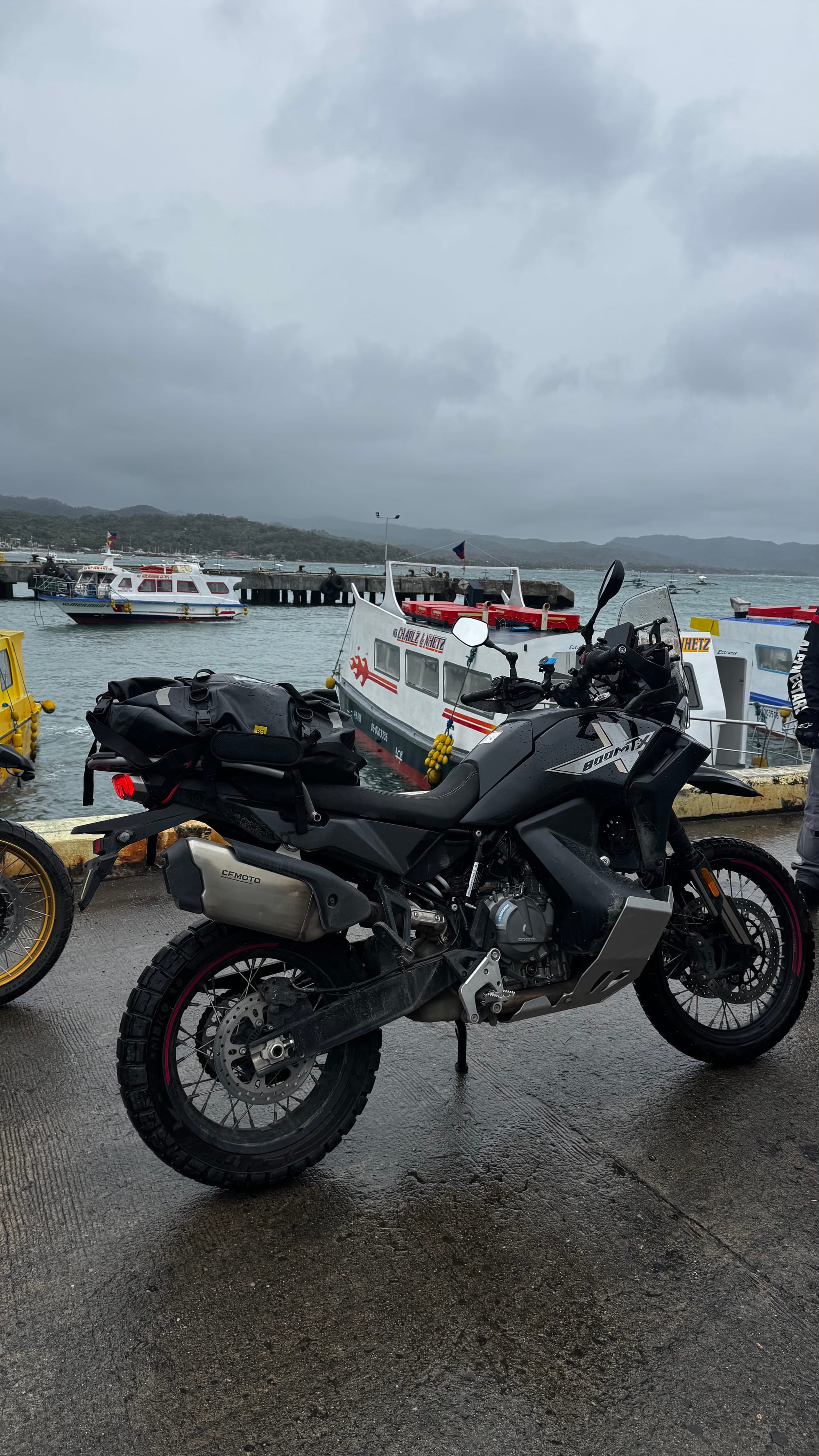
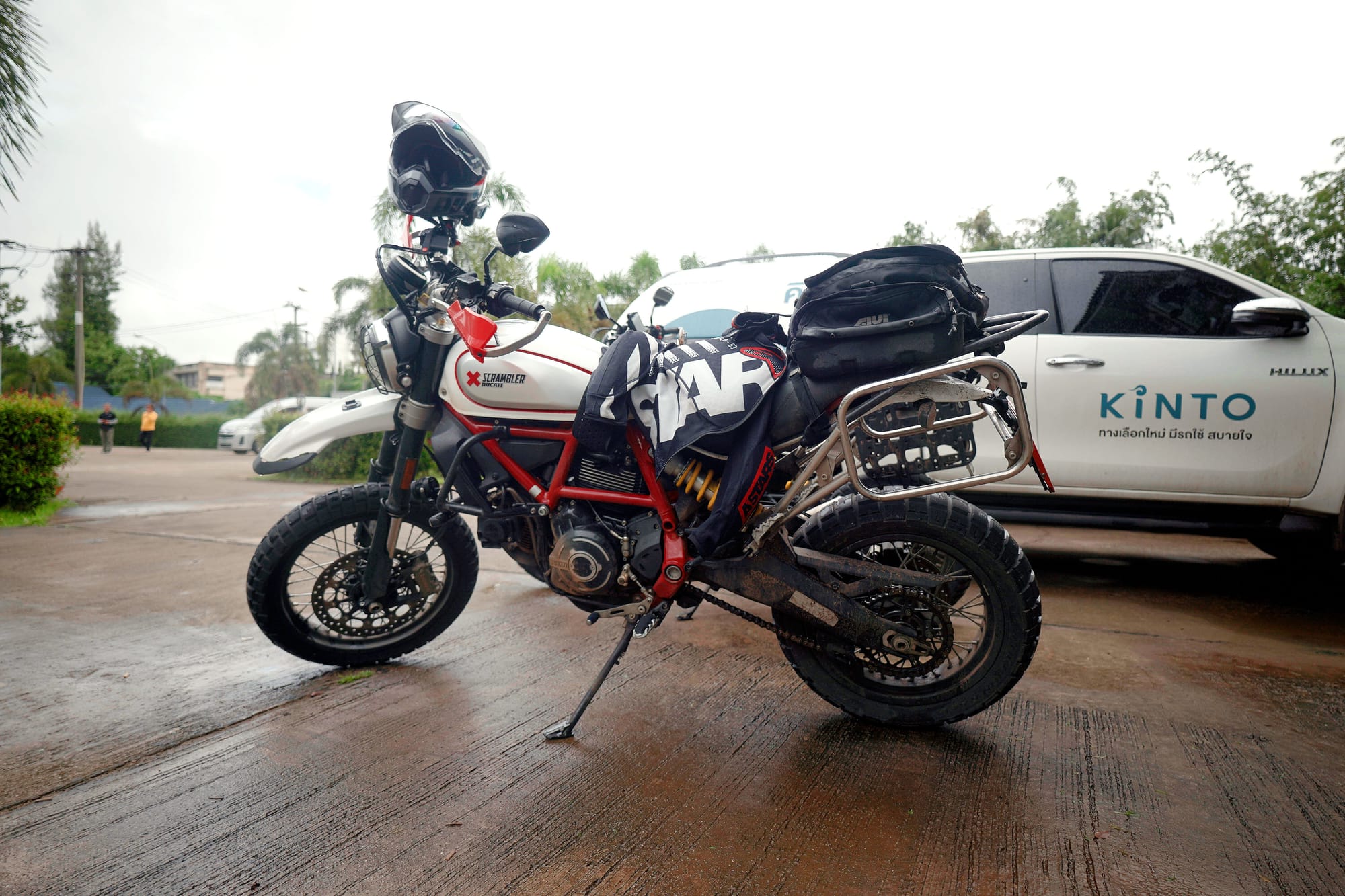
I change bikes all the time, and I learned to enjoy to ride them stock. More accessories means more failure points. I stick to the necessities. Like Quadlock phone mount, dry bags and a toll card pocket and that's it.
Then comes the part I should not have to write, but I will anyway. Whenever I have a "new bike," whether brand new or newly acquired used, I check it days ahead of the main ride: tyre pressure, phone mount, bags, mirrors, lights, bolts, chain, oil, battery. Then I do a 50 to 100 km dry run. I have ridden with plenty of riders who skip this step. It is basic, but it is the step that gets skipped. It also helps that we have a member who is a mechanic.
3. Build a small survival kit, and carry it every time
This is what I actually use:
- Large plastic water bottles instead of heavy metal tumblers. They are lighter, easy to refill and disposable.
- A battery-powered tyre pump (Xiaomi or the cheaper Shopee ones).
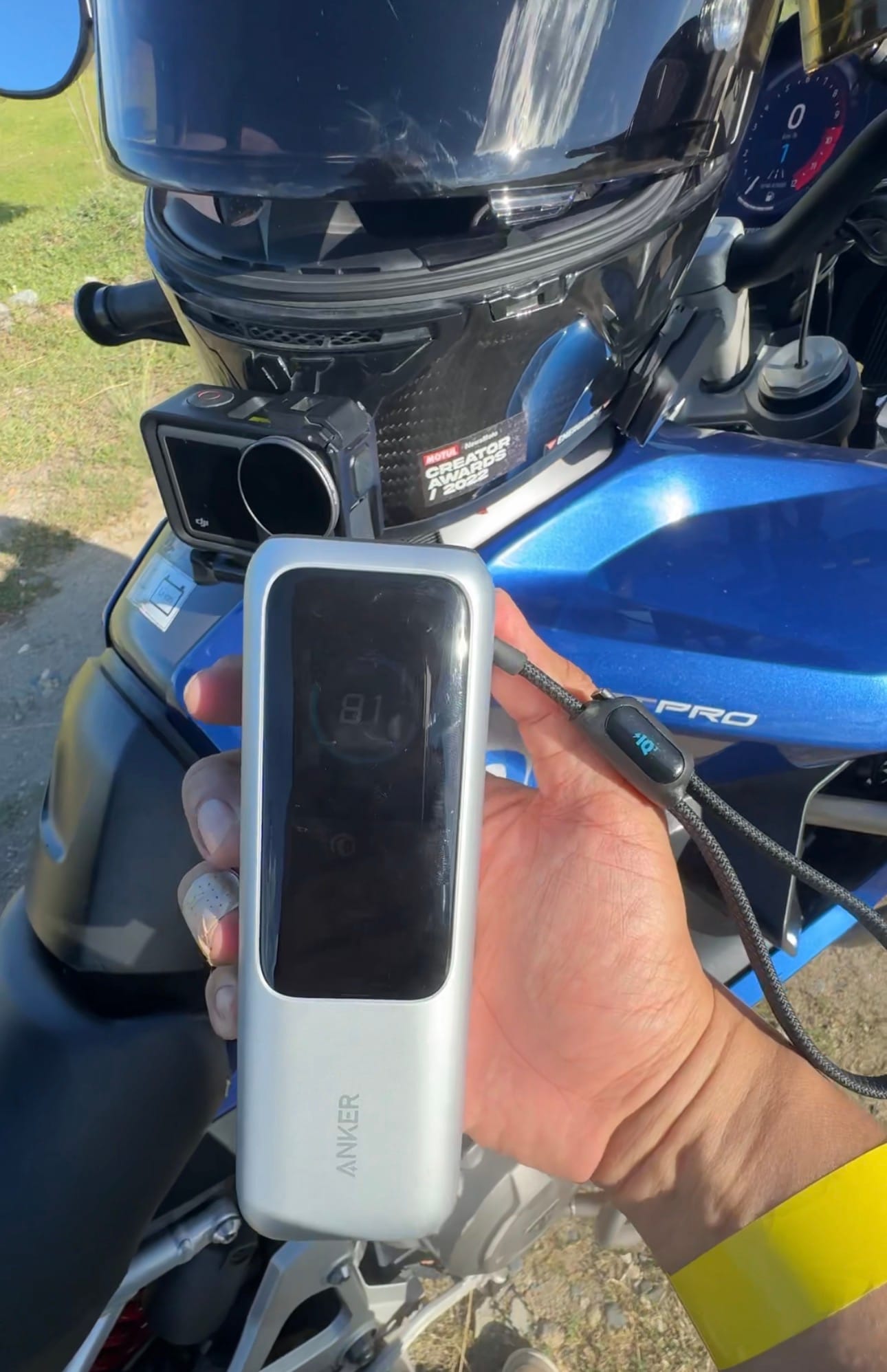
- A 25,000 mAh Anker power bank for my phone, comms, flashlight and other people's phones.
- Basic first aid, zip ties, tape and a tool kit. Every bike needs an Allen key set.
- A good microfiber cloth in your pocket. After a few hundred kilometres your visor will be muddy, buggy or fogged. Wet wipes smear, so skip them. Nobody wants to be the rider who stops the whole group to clean a visor.
- Waterproof everything. Zip-loc bags are cheap and they work.
No one rider carries all of it, but at least someone in the group always does.
I use the best international flight approved powerbank available. Anker 25,000mAh 90Wh 165W. Don't waste money in cheaper powerbanks. Go for the end game, this is the BMW R1300GS of powerbanks.
Buy it here: https://s.shopee.ph/1qcziNm6Lc
4. Also get a Qi2 / MagSafe power bank
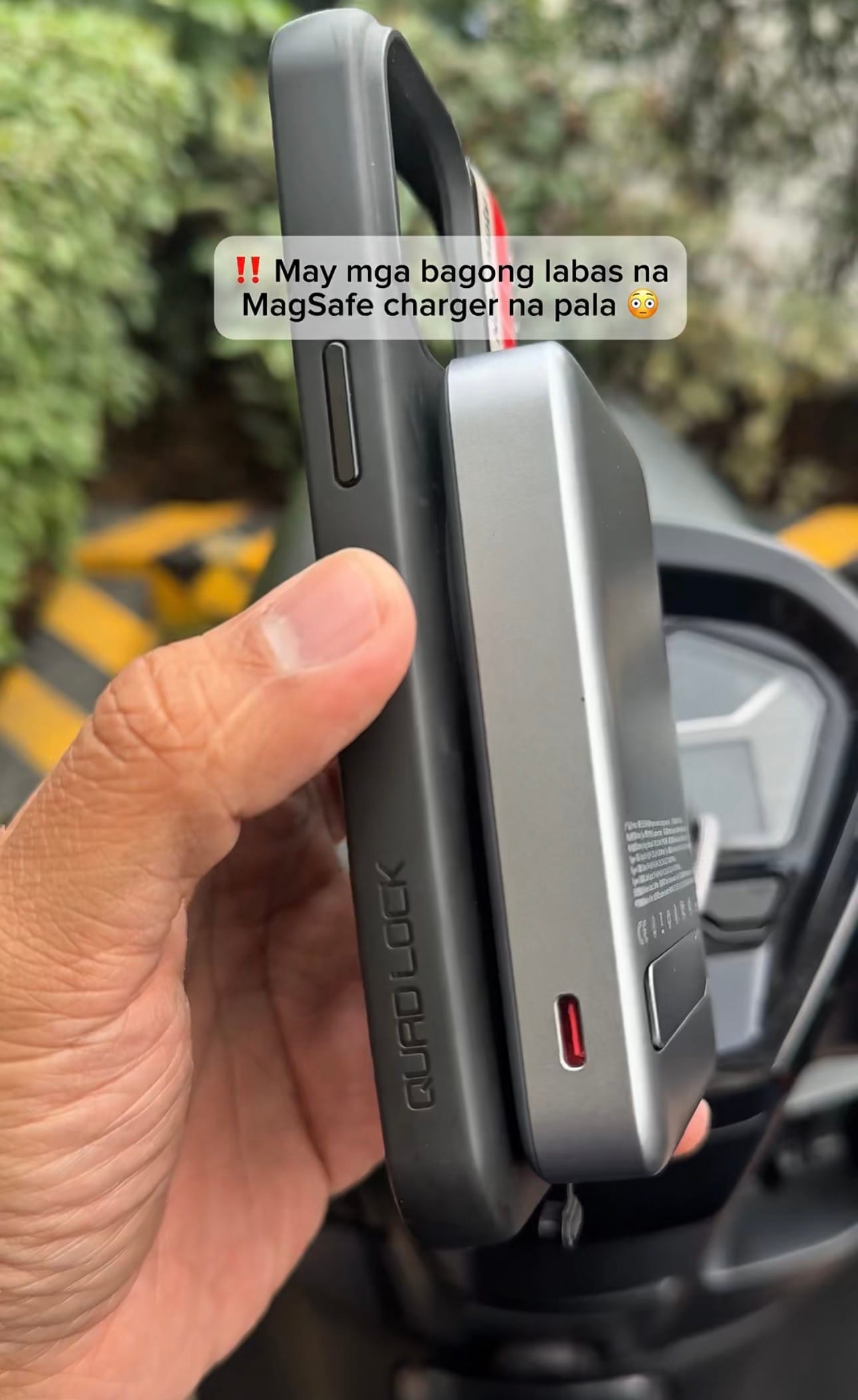
My phone has a rubber plug on its port, and it is usually well protected. But in heavy rain I take it off the Quad Lock and drop it in a zip-loc. Even then, the phone still showed "water detected" in the port and refused to charge by cable. A Qi2 MagSafe power bank is the only reliable way to charge a wet phone.
Awei Qi2 Magsafe Powerbank
https://s.shopee.ph/5LCrtCLiKB
5. Carry cash, and carry more than you think
Online payments disappear fast in the provinces. Cash pays for RORO fares, short-stay hotels, tolls, small eateries and the small fees that smooth things along the way. It also makes splitting a dinner bill much easier.
6. Plan a buffer day for every 3 to 4 riding days
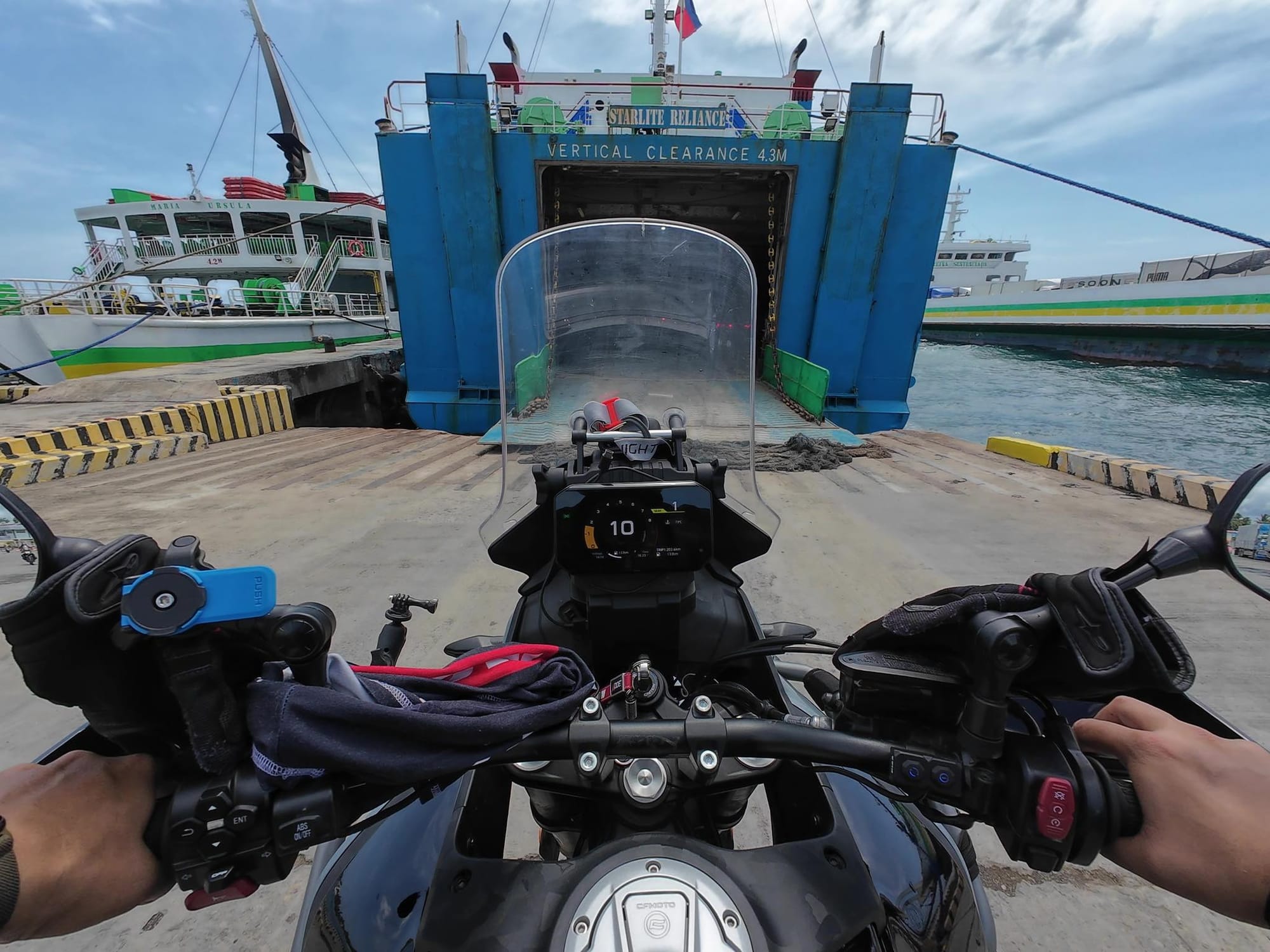
Weather, fiestas, road closures and bike trouble will eat your schedule. We once headed for the national convention in CDO and were refused the RORO from Iloilo to Bacolod because of bad weather. With no spare day, we left the bikes behind and took a flight instead. That was a hard lesson.
The daily rhythm matters too. In the Philippines we are an archipelago, and the trip from Luzon to Visayas can involve at least five RORO crossings. When there is a RORO, we ride at night and dock at odd hours. I rarely ride at night myself. On very long multi-day trips I save my energy by riding only in daylight. Abroad, in Thailand, Taiwan and Europe, there are no ROROs. We leave after breakfast, reach the hotel before sunset and relax. We still cover a lot of kilometres, and we are less tired.
Phase 2: Riding the Road
7. Look far ahead, beyond the apex
Our club encourages every member to ride more than one discipline. We attend mandatory track days. We ride scooters. We ride off-road. Each one teaches something different.
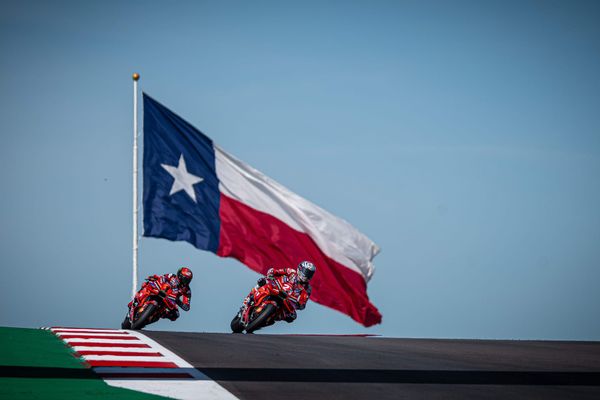
The track taught me the most important habit: look far ahead, beyond the apex. On the road, that means reading the next corner, the next vehicle and the next problem before you reach it. It helps with fast riding and with emergencies. It also looks great in photos.
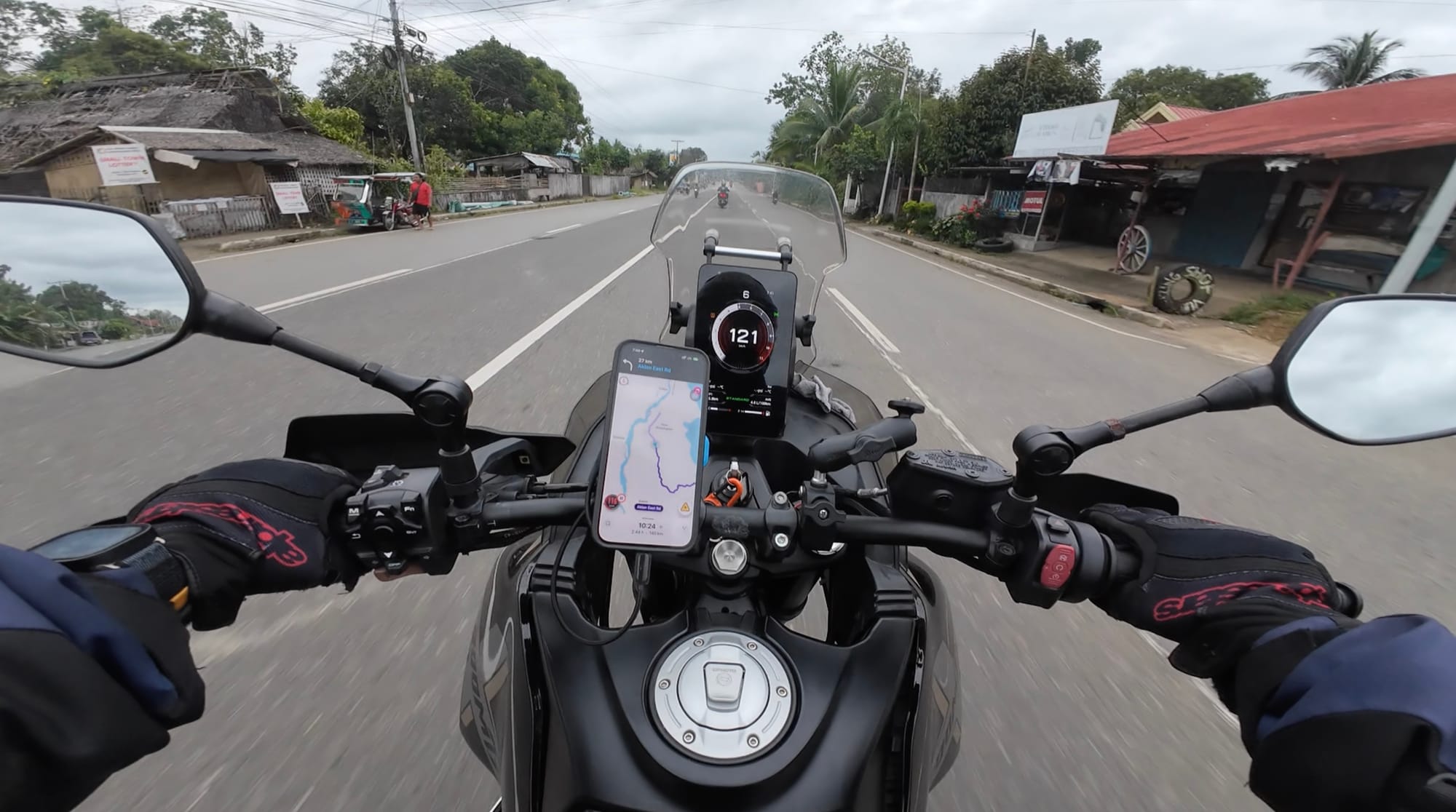
8. Ride with a huge margin for error
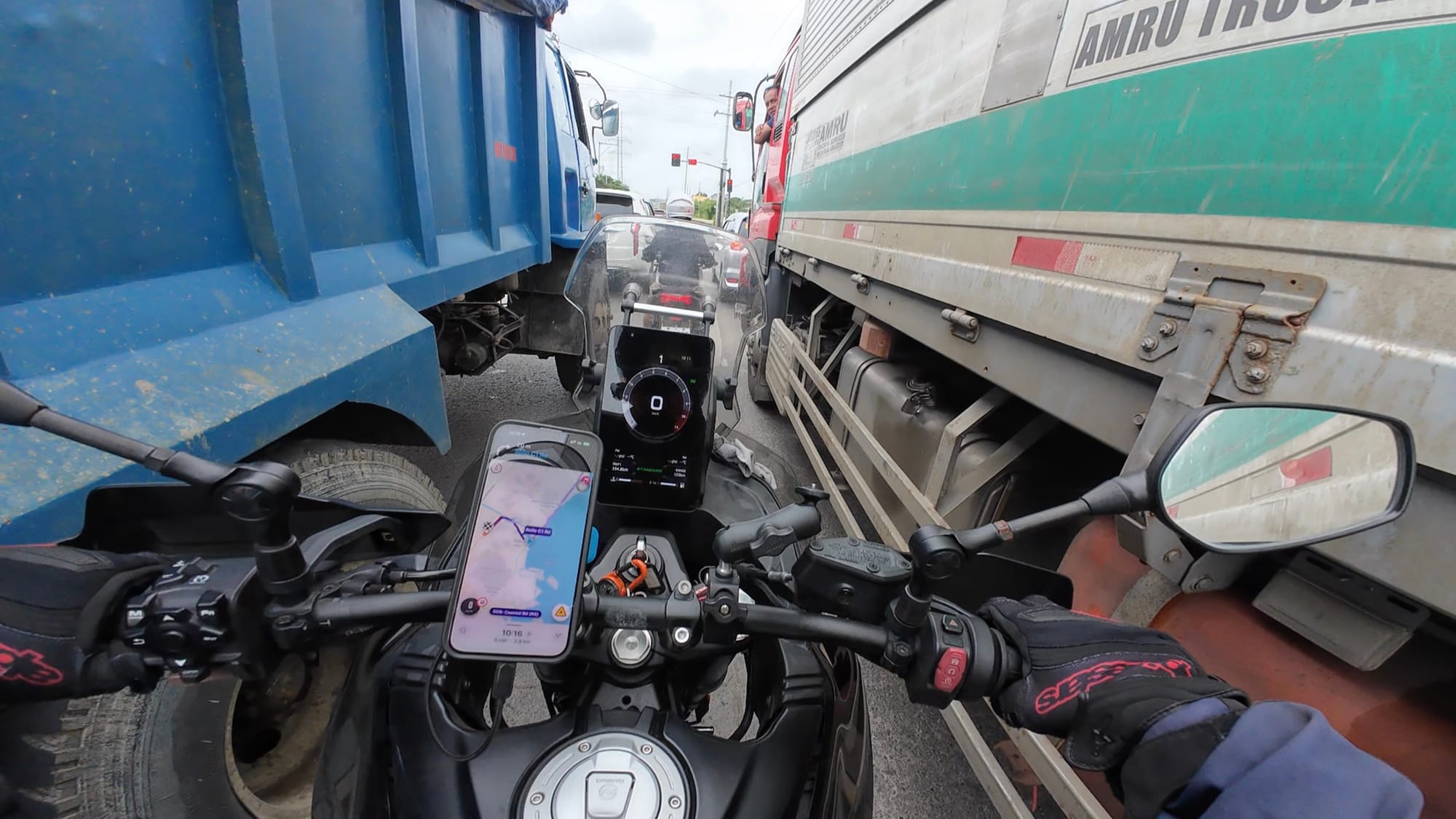
On long distance you cannot afford errors. Tricycles, dogs, potholes and sudden stops appear without warning. Avoid narrow overtakes. Make safe overtakes with a time buffer. Avoid abrupt braking. Ride in a staggered formation and keep space around you, always.
9. You do not need bright aux lights
I have never relied on bright headlights, even when I lead the group at night. Stock LED headlights on modern bikes are bright enough. Bright lights make me slower, because I keep scanning the road. Even a long0throw beam only lights one point.
Instead, I use reference points, reflective markers and road lines. I follow the tail lights of UV Express vans, locals drivers and faster cars When they hit a bump, I know the bump is coming, and I have time to react.
A rider with full-blast aux lights also glares in the mirror of the rider in front. There is one exception. If you are leading through pitch-black unfamiliar road, I ask the second rider to flood the road for me. That is very rare.
10. All-weather gear, and don't stop to change
Long rides mean unpredictable weather. It rains in one town and is sunny in the next. So we do not stop to swap gear for every shower. The only exception is a storm signal, where you should expect full rain ahead. Otherwise an all-weather jacket does the job. On a hot, sunny noon, open the zippers and let the wind in. The wind dries the gear too.
11. Read the map and always see the finish line
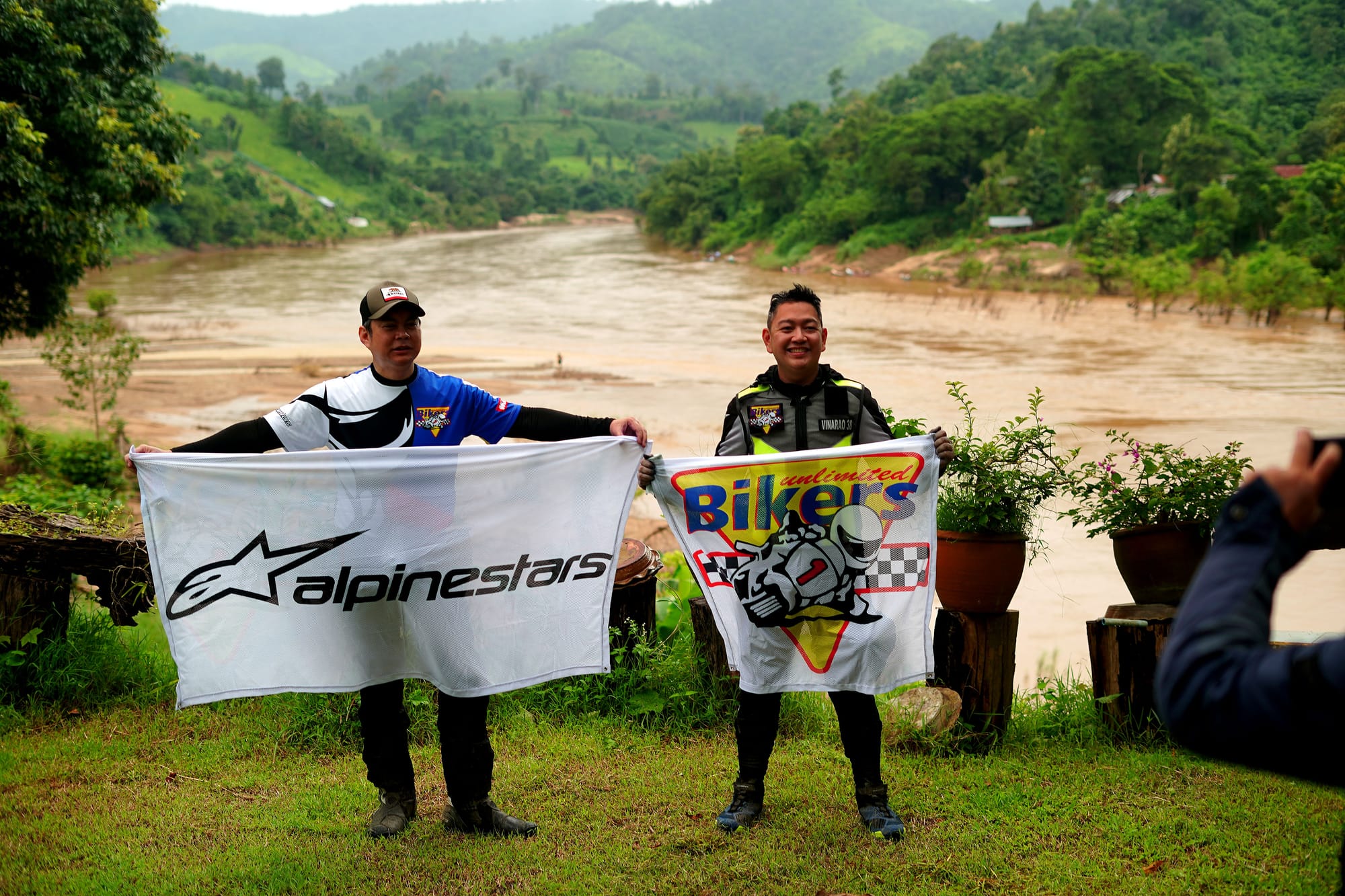
I set my Waze in 2D, north-up. That is just my preference, but the principle is like using a traditional paper map. I want to see the destination zoomed out, so I can take detours with confidence and not panic. Also keep a redundant offline map. Stay alert for upcoming turns and merging lanes.
Phase 3: Riding with People (and With Yourself)
12. Split into groups and ride your own pace
Not every rider is comfortable at the same speed. Split into smaller groups, ride at your own pace and meet at the next checkpoint. Always communicate that checkpoint clearly.
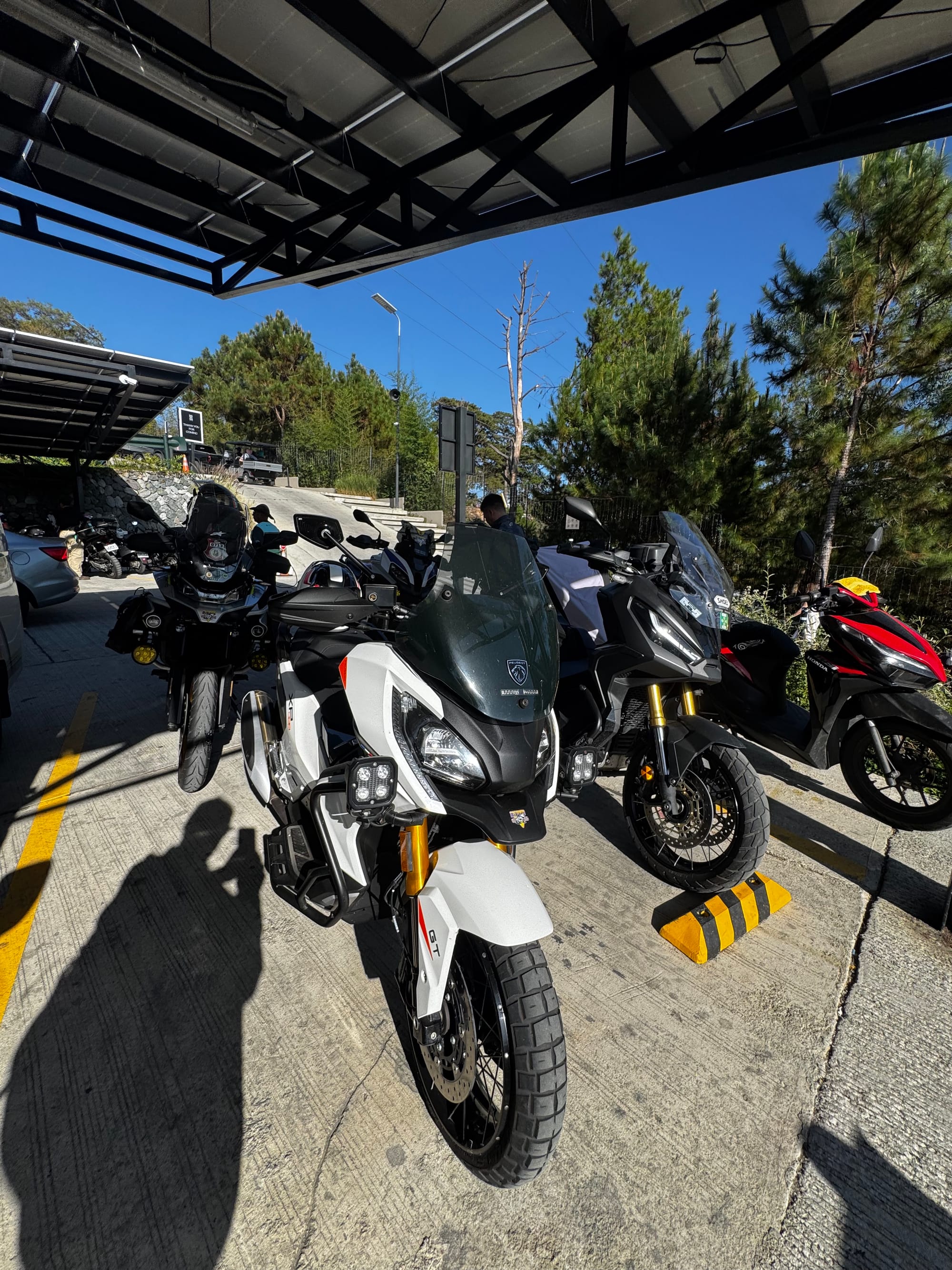
Fuel stops are where grouping matters most. Sportbikes more or less drink the same range, so we keep them together and they stop together. Adventure bikes go more miles on a tank, so they run as their own group. Plan the stops around that.
Bikers Unlimited rides fast but steady, with 100 km/h as a cruising speed. We are not a race.
13. Match the bike to the group
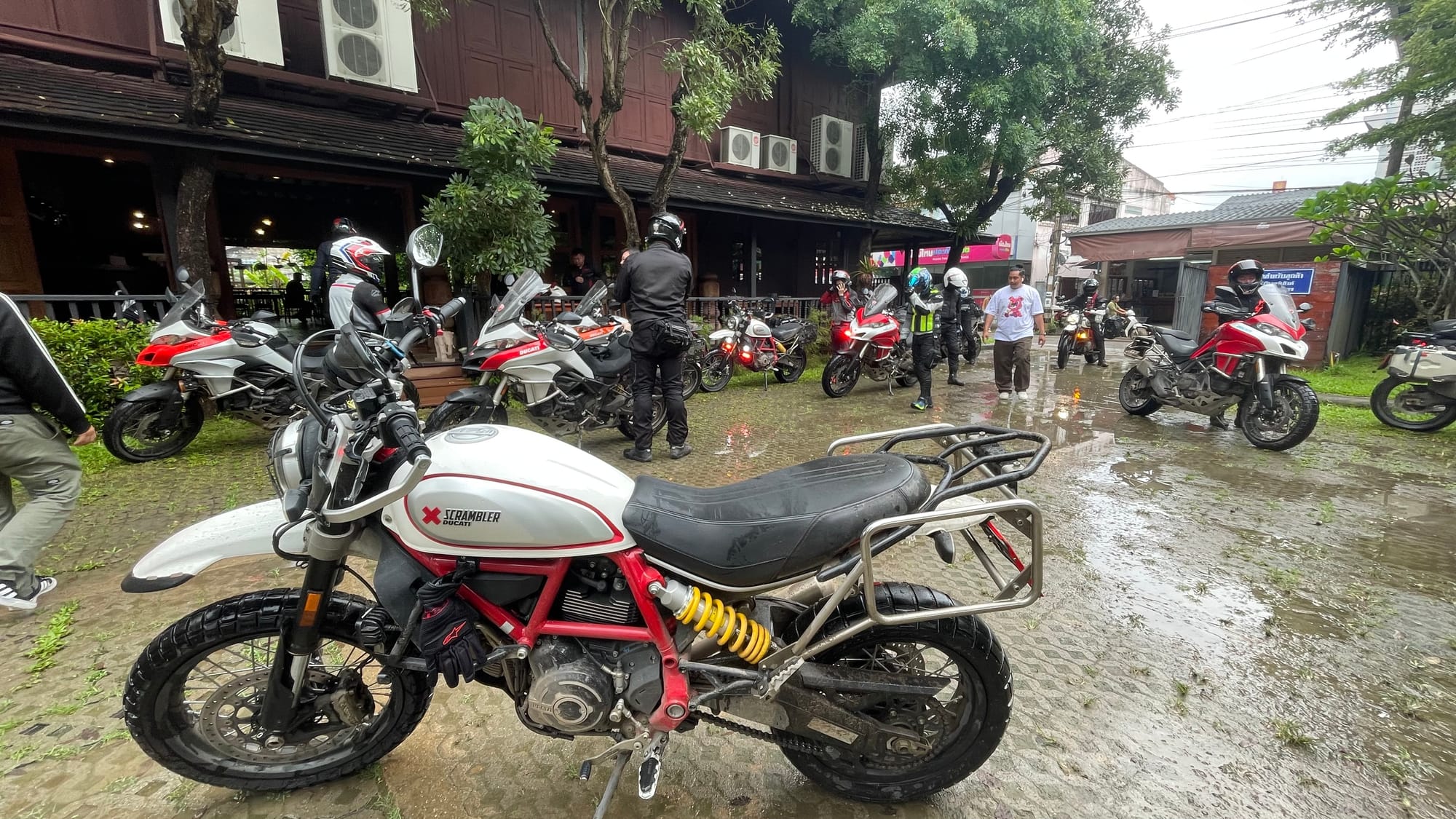
I learned from Lester Tiu that when everyone rides almost the same type of bike, everyone naturally rides about the same pace.
Our club president, Mico Vinarao, weirdly lets me, a probational new member, lead the group. I once brought a CFMOTO 450MT to Bacolod while most of the group was on 1300 GS machines. I was almost full throttle much of the time. I led at a pace I was comfortable with, and everyone followed. I am a pretty spirited rider, but I learned to lead the pack with predictability and everyone enjoyed it. The next time, I brought the CFMOTO 800MT-X. It was more comfortable, no more squeezing the throttle, and I saved fuel.
Be aware of your mates, too. Example, Charlie Ong a very careful rider. But one time in the rain in Mindoro, he also followed me into attack mode and had far too much fun on his sportbike, I realised he was on Pirelli Supercorsa track tyres. Whoever leads should know what each rider behind him is on, and how they respond when the pace goes up.
14. Keep the intercom quiet and open
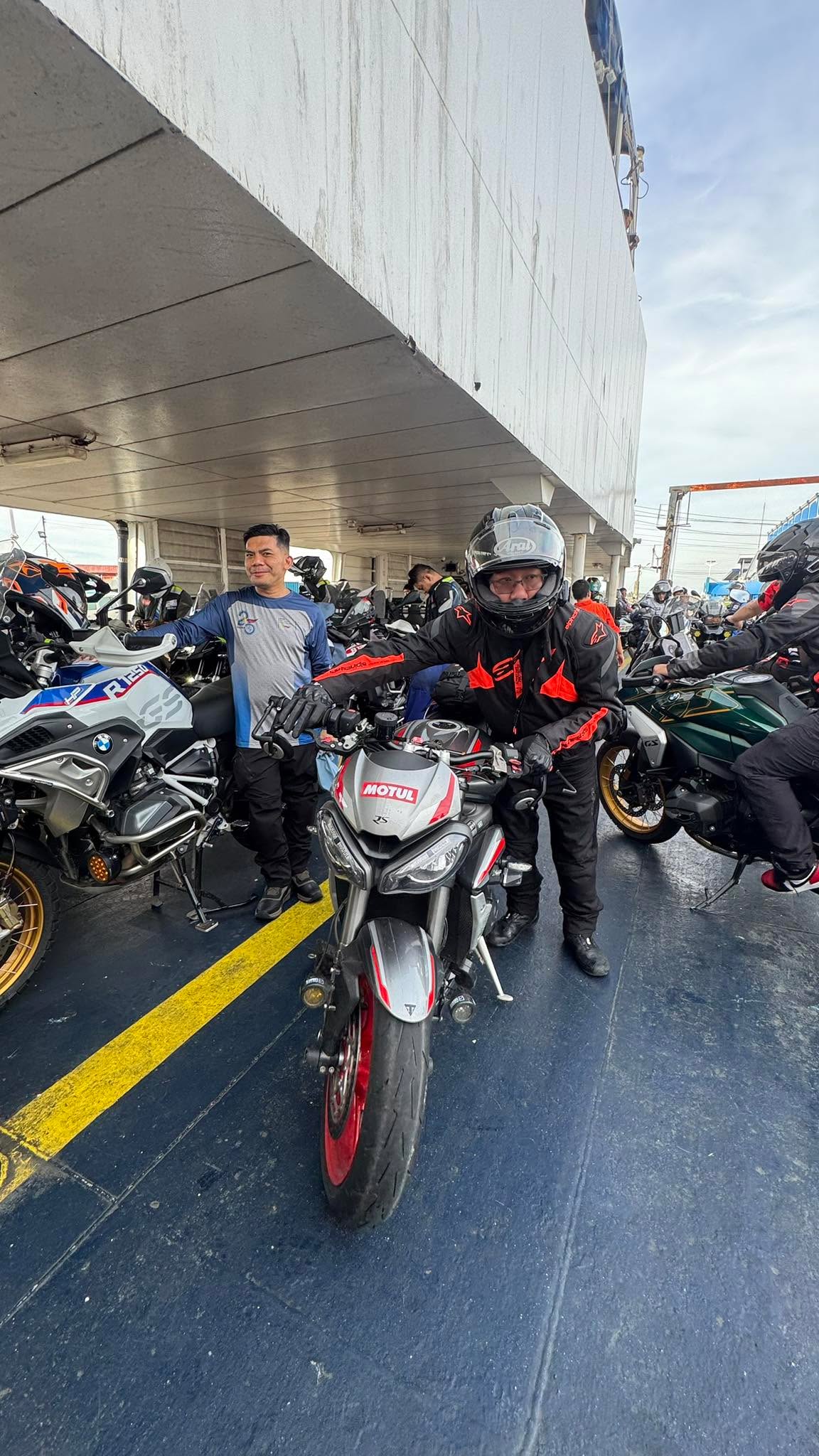
Use codes your group knows, and keep the channel open for the calls that matter. Paulie Bagyo breaks that rule every time, and we love him for it. He is our entertainer. He sings and tells jokes all the time, so nobody on the intercom falls asleep.
Know your buddies' strengths and weaknesses. Not everyone is fast, not everyone is comfortable leading, and some are hot riders. Manage expectations and the pace.
15. Learn to ride on your own
Know how to survive alone. You will still get there, even if you get lost, because your buddies wait at the end. A buddy is best, though. And if the cops stop you, learn to handle it yourself, calmly and respectfully. Do not count on someone else to talk you out of it.
16. Clear your mind before you ride
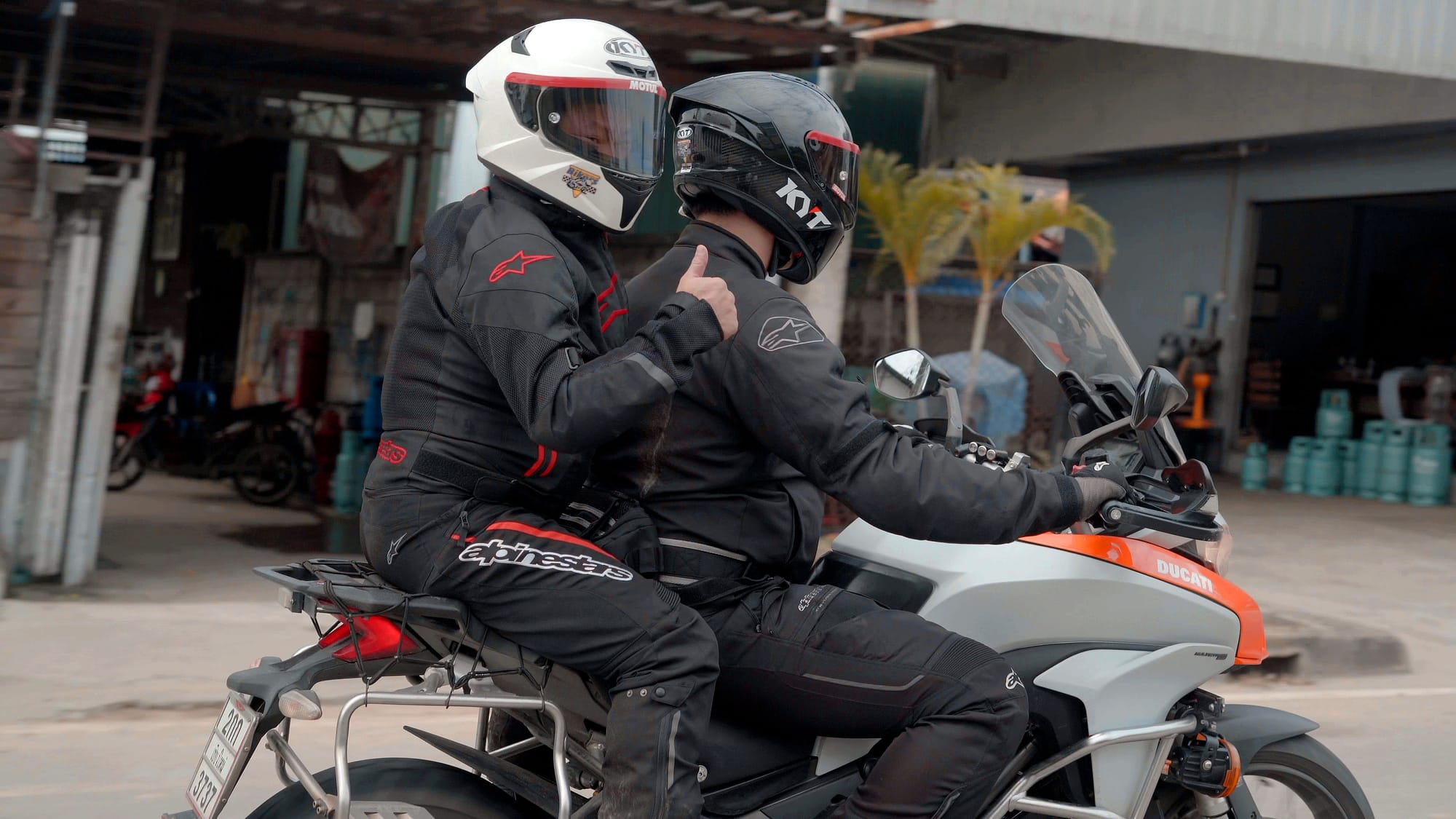
There are good days and bad riding days where you don't really feel it. One of my icky days, I was against myself. We were coming back from our Baguio ride. I had not been able to see my kids, and I was thinking about my divorce. I didn't know was riding super slow, on autopilot, in the dark on Kennon Road. That was dangerous.
Jeff Chan was riding behind me and watching me. There were slower riders around too. I only woke up from my autopilot of it when we reached Clean Fuel in Rosario, La Union.
Since then, I clear my head first. Temporarily unload every baggage. The road is not the place to carry it. And ride with people who watch your back, as Jeff Chan did for me. Or better yet, don't ride on an icky feeling day if you can.
17. Stay awake the old way
I do not eat much when I ride, and sometimes I do not eat at all. I stay hydrated with electrolytes. Sometimes I will have a "saba" or an egg. I avoid heavy meals and rice. Older riders already know this. Then, when you get to the hotel, you can eat everything and sleep well.
Sugar needs its own warning. It is nice to have, because it wakes you up instantly. But when the sugar goes down, it really goes down, and you crash. Coffee is good. No sugar please.
Wierdly, to stay awake, I think about sex, money, or algebra equations, or about something silly. On the intercom, Paulie Bagyo does the entertainment.
Last Thing: Have Fun
Enjoy the company. Relax. It is not a race. After thousands of kilometres with these guys, that is the lesson everything else supports.