Why Can You Buy a CFMOTO in America, But Not a Chinese Car?


The Two-Wheel Exemption: How CFMOTO Is Dodging America’s Ban on Chinese Vehicles
In late June, Polestar dealers across the United States were notified that the Department of Commerce would prohibit the brand from selling model year 2027 vehicles. Conversely, Volvo, owned by the same Chinese parent company, Geely, received regulatory authorization just one month earlier. Two brands under identical corporate ownership faced opposite regulatory outcomes under the exact same federal rule.
So, Is CFMOTO Slipping Through America’s Security Wall?
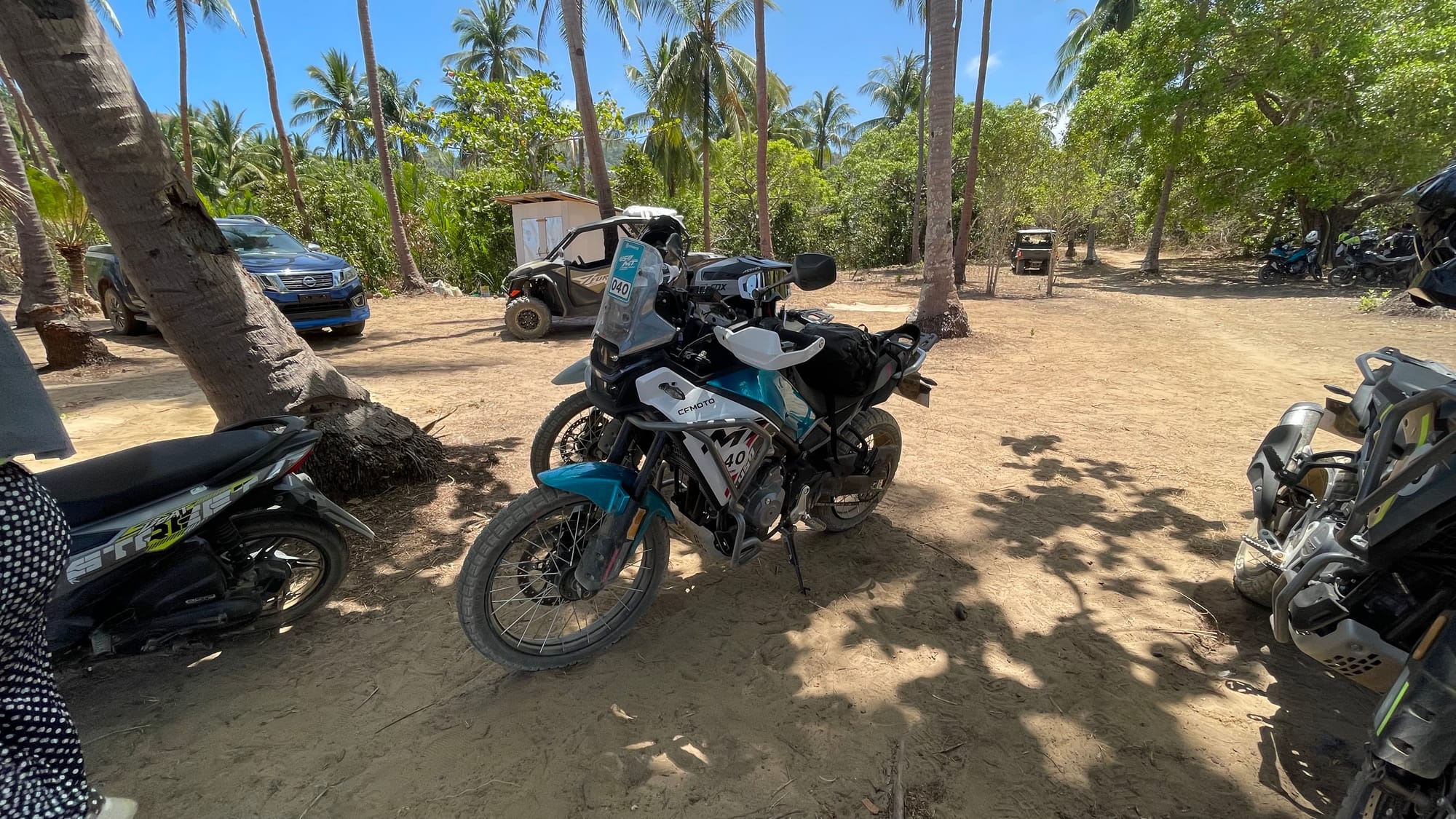
In the motorcycle industry, a different pattern is unfolding. Hangzhou-based CFMOTO recently released its 2027 US model lineup. The release occurred without trade bans, regulatory challenges, or public scrutiny.
This contrast raises key industry questions: Is CFMOTO exempt from US trade restrictions on Chinese vehicles, or is regulatory enforcement simply delayed?
Let's step back a bit: CFMOTO's Market Expansion
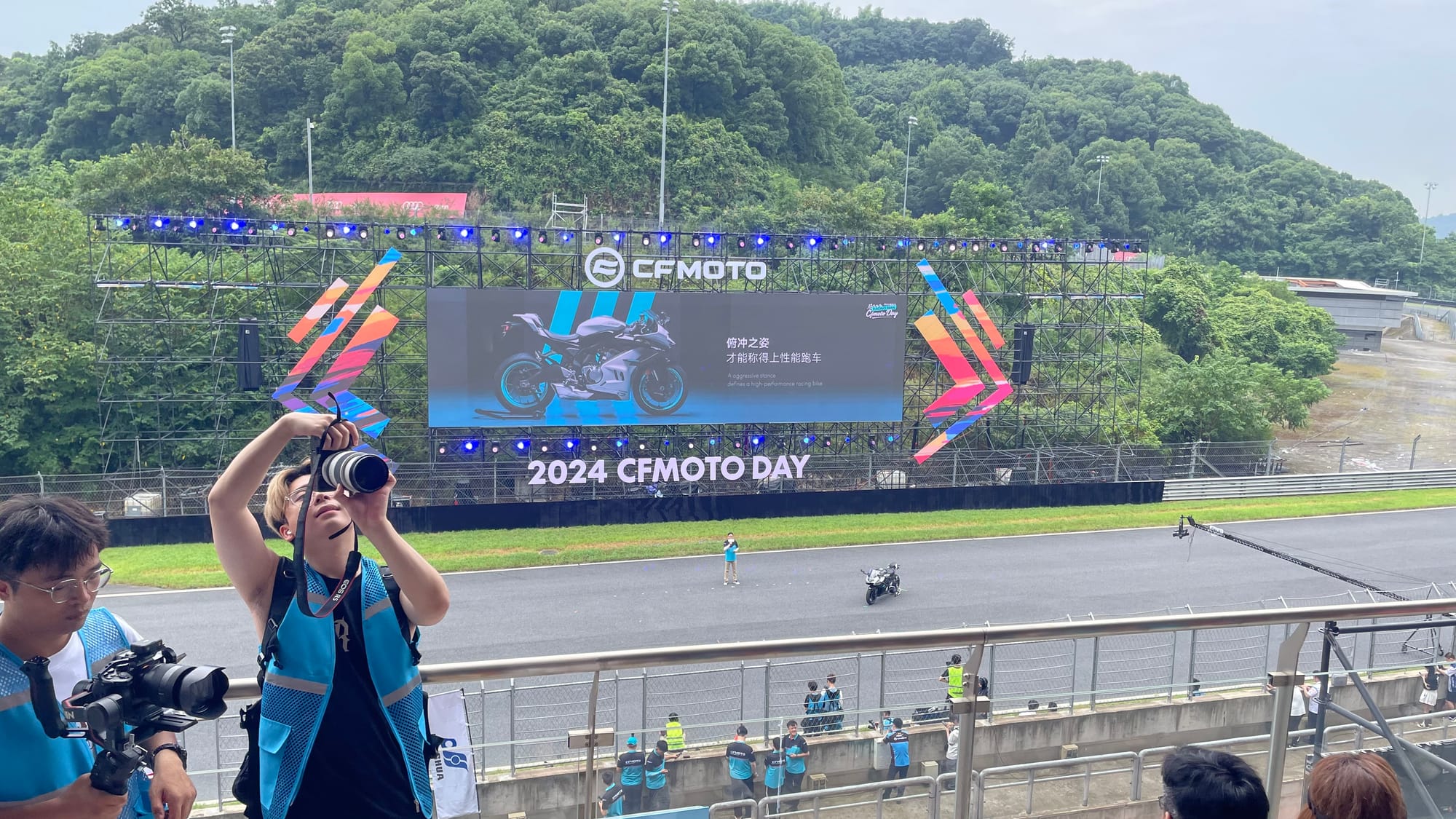
Founded in 1989 by Lai Guoqiang, CFMOTO is publicly traded on the Shanghai Stock Exchange. The company began as an engine and all-terrain vehicle (ATV) manufacturer, exporting off-road vehicles to the United States in 2002 and establishing its American subsidiary, CFMOTO USA, in Plymouth, Minnesota, in 2007. Today, CFMOTO operates in over 100 countries.
CFMOTO's business structure relies on two primary drivers:
- Industrial Partnerships: CFMOTO has maintained a joint venture with KTM since 2011. The company manufactures the KTM 790 Duke and 790 Adventure in Hangzhou, while utilizing KTM's LC8c parallel-twin engine platform for its own 800cc lineup.
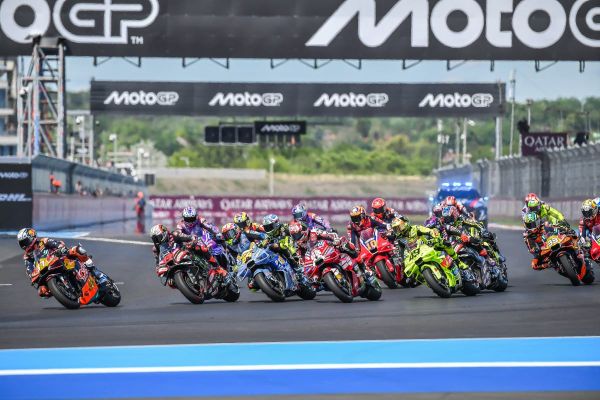
- Motorsport Operations: CFMOTO entered the Moto3 World Championship in 2022. Partnering with the Aspar Team in 2024, rider David Alonso secured the Moto3 World Championship. The brand also competes in the Dakar Rally and the World Rally-Raid Championship.
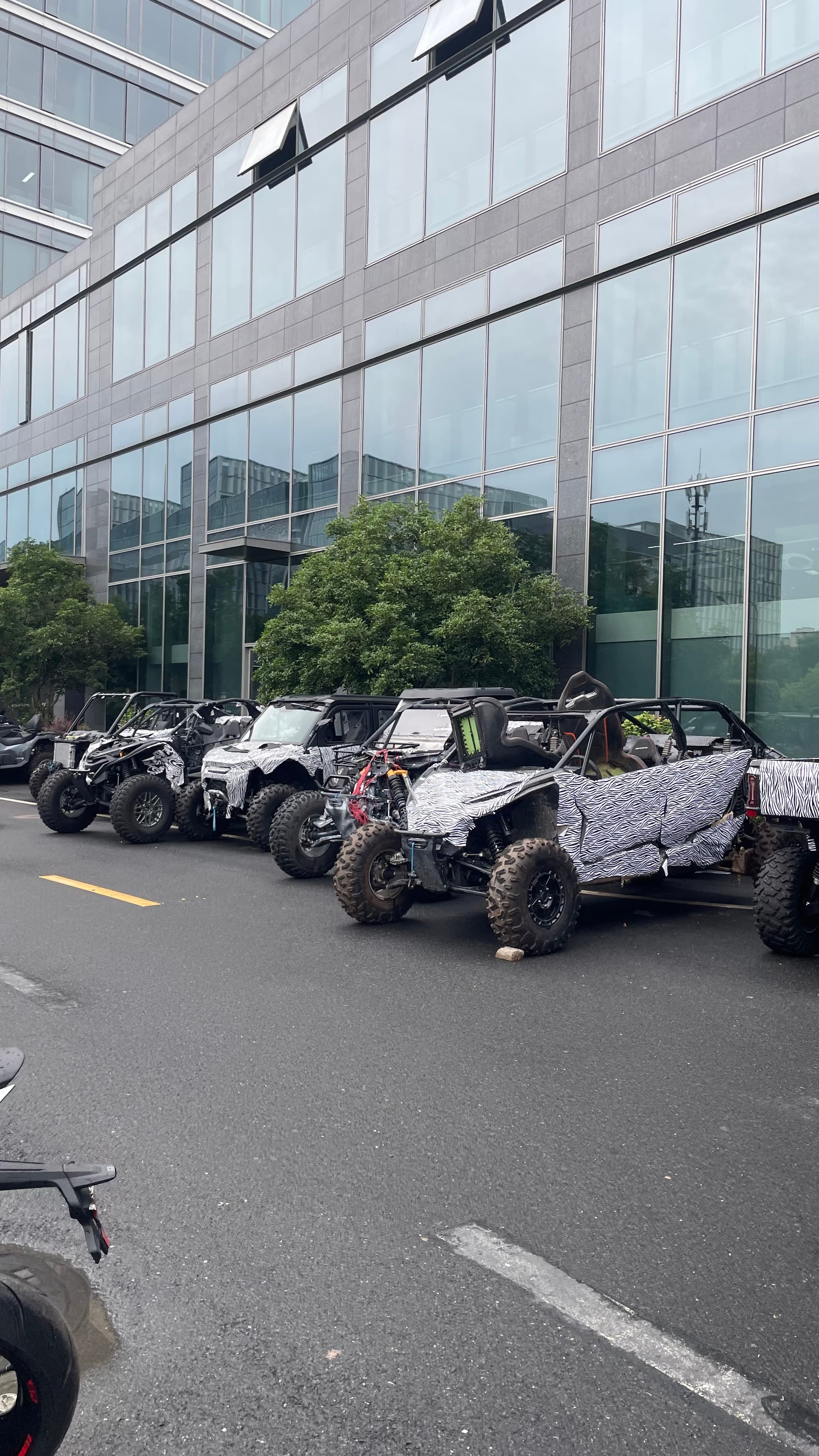
CFMOTO's commercial lineup spans multiple categories. Its street range includes the 450NK, 675NK, and 800NK naked bikes, alongside the 450CL-C cruiser. Its adventure range features the Ibex 450, Ibex 800 E, and Ibex 950. In the off-road sector, its CFORCE ATV and UFORCE side-by-side lines generate the majority of its North American revenue.

A Personal Benchmark: From 450MT to 800MT-X
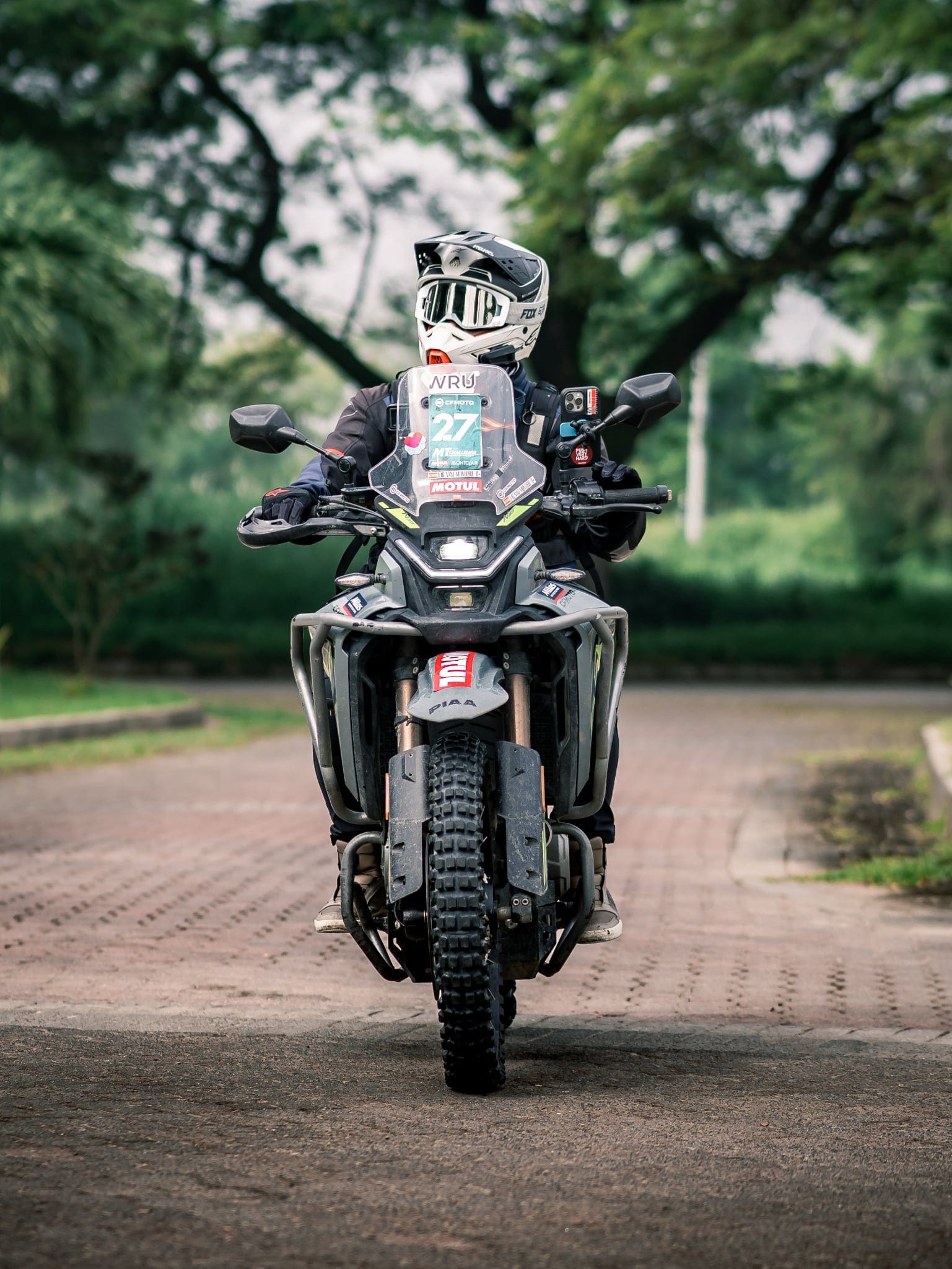
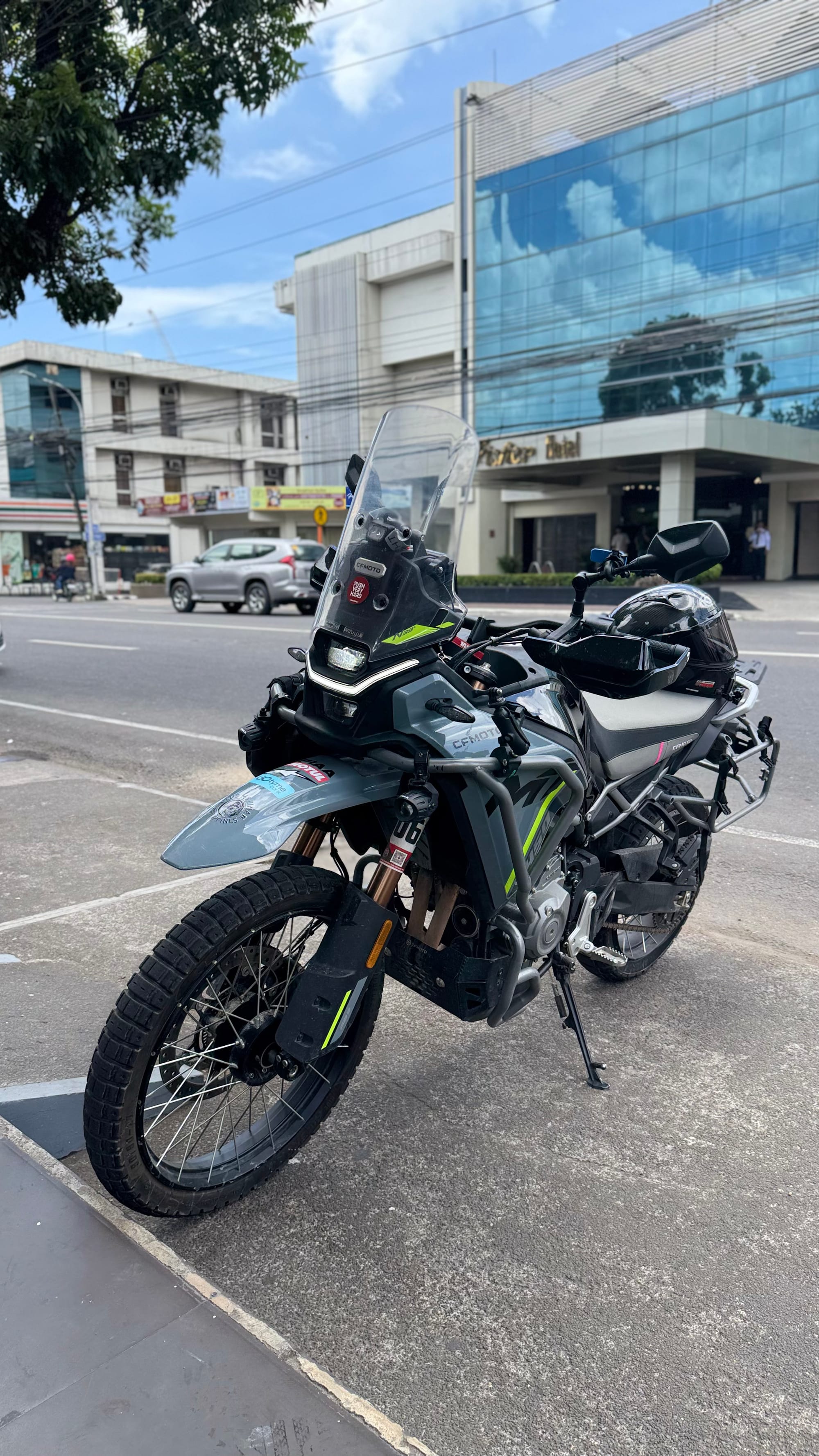
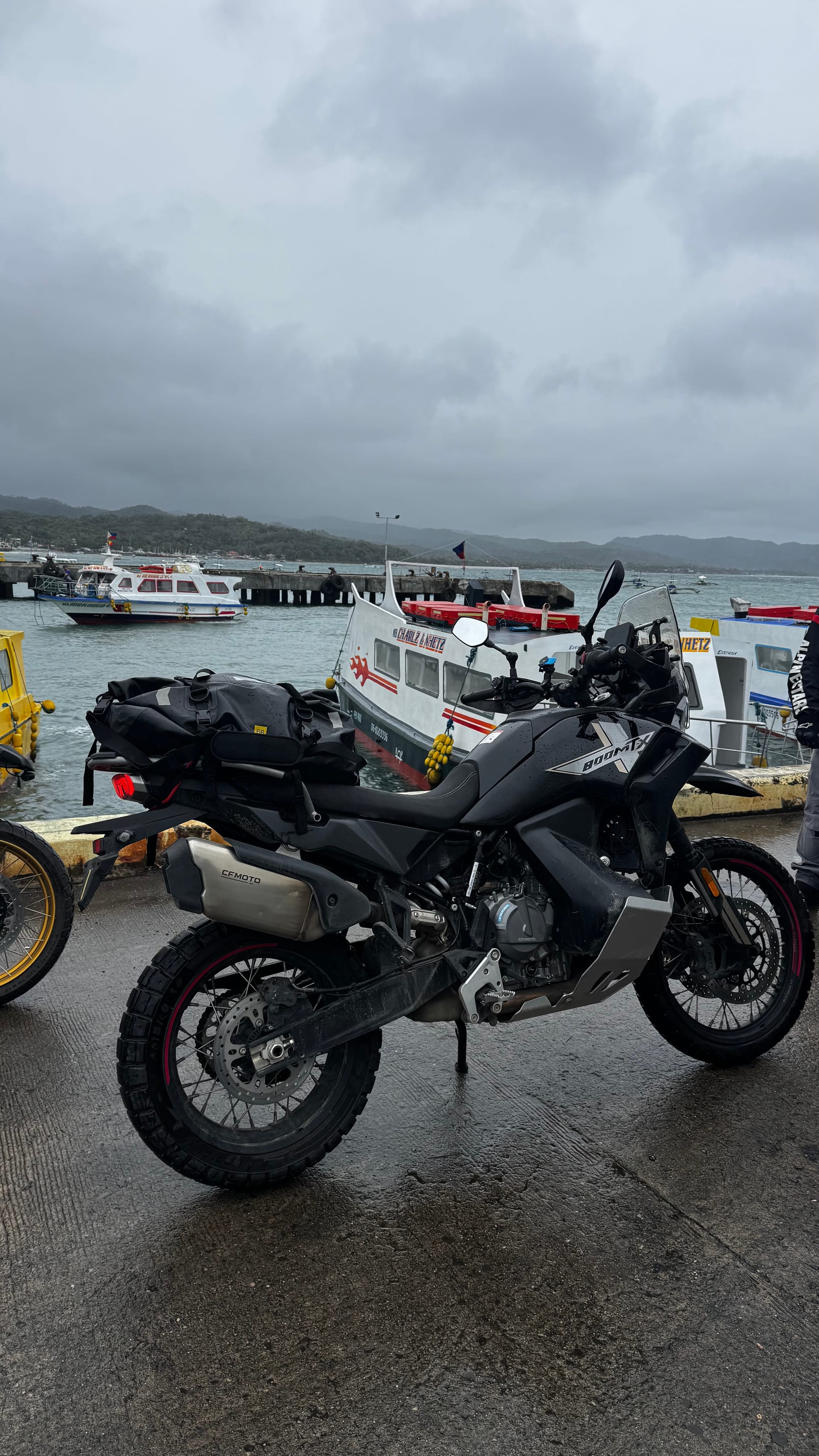
The mechanical evolution of CFMOTO is evident on the road. Having logged some long-distance miles across islands and terrain, the platform's development is rapid. The CFMOTO 450MT showed us that 450cc is just right! This bike has singlehandedly popularised this category and demonstrated that a small-displacement adventure bike could deliver real off-road capability without unnecessary weight or complexity.
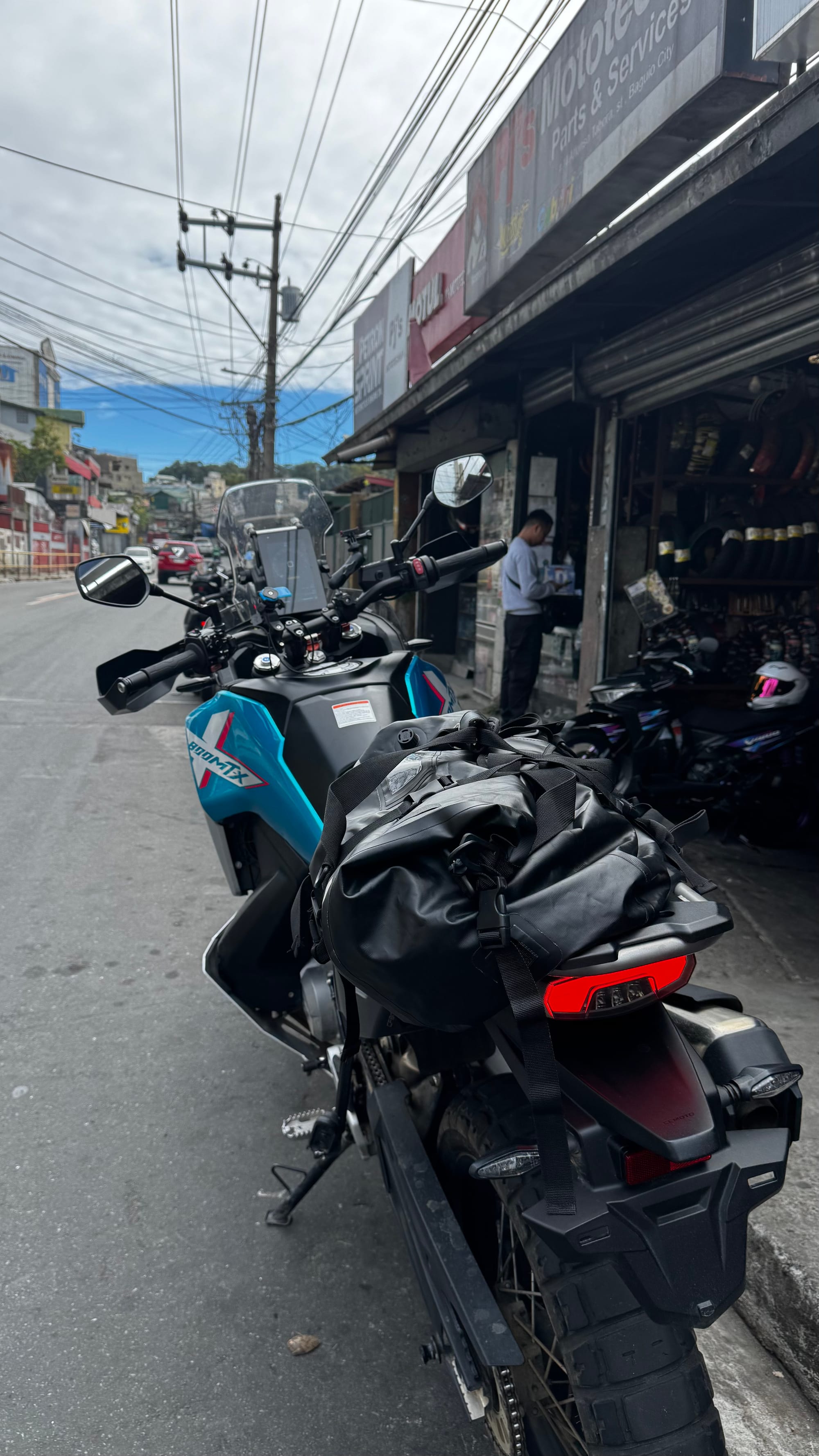
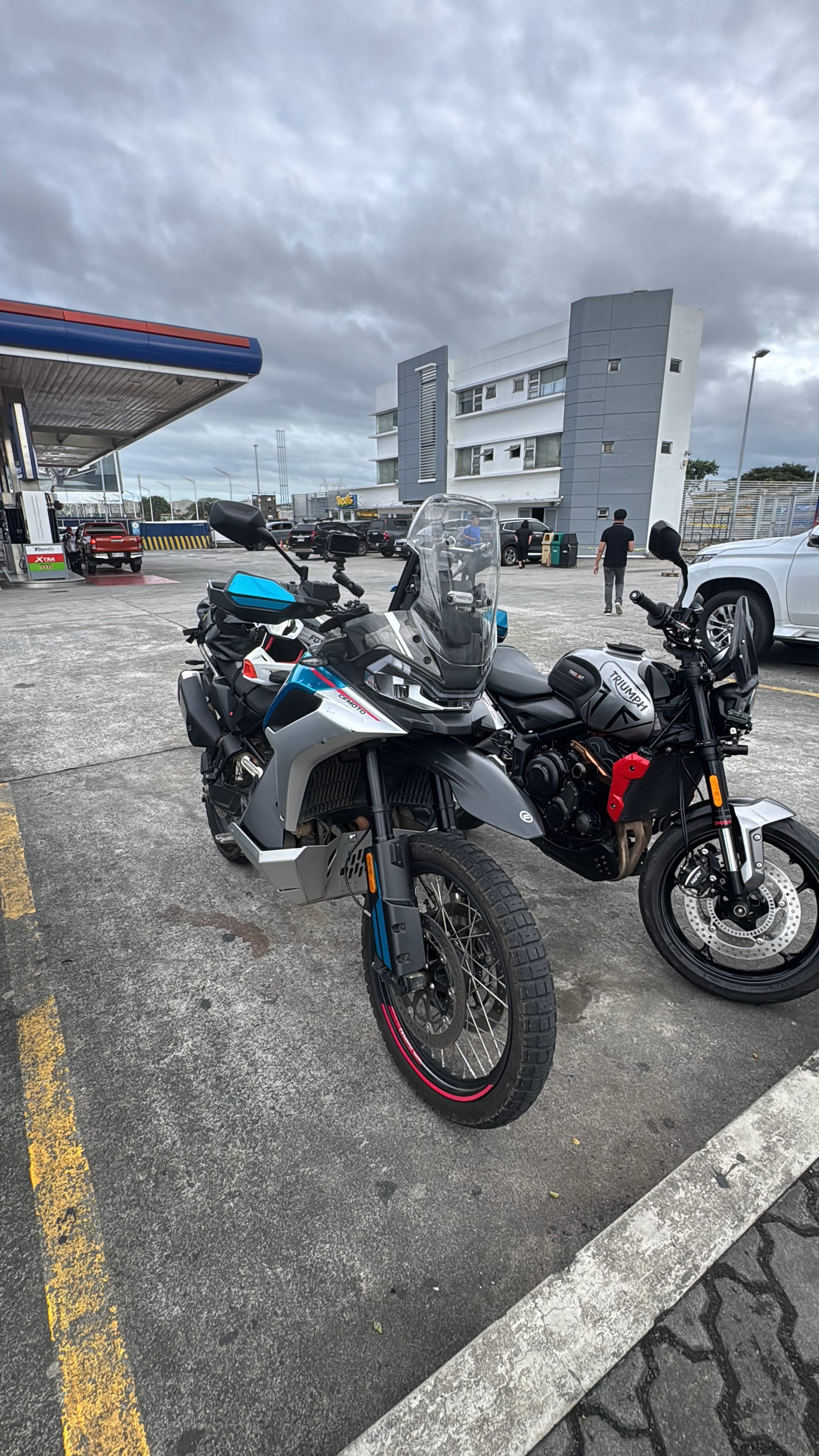
After having the 450MT, I updgraded to the flagship CFMOTO 800MT-X (or Ibex 800 E in the states) in 2025. It was indeed a clear generational shift. Having previously owned a KTM 790 Adventure S, the 800MT-X serves as a relevant point of comparison. Think of it like comparing an early-generation smartphone to a fully optimized later model: the core processor is identical, but the user interface, screen execution, and overall refinement have been completely re-engineered. The 800MT-X features a significantly larger TFT display and better-integrated cockpit ergonomics, completing demanding cross-country journeys without mechanical or electronic faults.
The Federal Regulation: The Connected Vehicle Rule
The primary legal mechanism governing Chinese vehicle imports is the Connected Vehicle Rule, finalized by the US Department of Commerce’s Bureau of Industry and Security (BIS) in January 2025.
The rule prohibits the sale or import of connected vehicles produced by manufacturers with ownership or operational links to China or Russia. It explicitly bans connectivity hardware and software originating from these jurisdictions. During the rulemaking process, the Department of Commerce confirmed that motorcycles fall within the rule's scope, while low-speed e-bikes and e-scooters do not.
An additional controversy arose around CFMOTO connected vehicle features when customers pushed back against subscription fees for basic telemetry and remote functionality. Owners expressed strong opposition to paying recurring fees to access data and services built into their motorcycles such as GPS tracking, navigation, and security alerts, after the initial trial period ended.
This backlash was entirely consumer-driven rather than a result of regulatory or federal intervention. CFMOTO eventually adjusted its approach in key markets to clarify feature tiers and address rider dissatisfaction regarding post-purchase paywalls.
Under federal definitions, "connected" applies to vehicles using Bluetooth, Wi-Fi, cellular, or satellite transmission. CFMOTO motorcycles utilize smartphone-linked TFT dashboards, and several models incorporate an integrated "T-Box" telematics module linked to the CFMOTO RideSync mobile application for GPS tracking and remote diagnostics.
| Federal Compliance Milestone | Target Date / Requirement |
| Rule Effective Date | March 17, 2025 |
| Software Restrictions Take Effect | March 17, 2026 (China-linked software supplied after this date) |
| Vehicle Sales Ban & Software Prohibition | Model Year 2027 |
| Connectivity Hardware Prohibition | Model Year 2030 (January 1, 2029 for non-model year vehicles) |
Manufacturers can request an exemption via a Specific Authorization granted by BIS. Volvo successfully obtained this waiver; Polestar did not.
Cars Banned, Bikes Cleared: Why CFMOTO Keeps Selling While Chinese EVs Face Blockades
Four distinct economic and structural factors explain why CFMOTO continues US operations while Chinese passenger cars face severe market barriers:
- Layered Tariff Structures: Chinese electric passenger cars are hit with a 100% tariff, acting like a giant brick wall at customs that makes selling a car financially non-viable. Motorcycles and powersports vehicles operate under standard duty schedules (Section 301 tariffs). These add a financial speed bump, but not a road block.
- Modular Connectivity: Modern passenger cars are rolling computers where every system from the brakes to the steering, tied into a central operating network. Disconnecting a car from the internet is like pulling the motherboard out of a laptop. On a motorcycle, connectivity is merely an add-on accessory, like plugging a smart speaker into a wall outlet. If regulators demand it, CFMOTO can unplug the smart box and sell the motorcycle with a basic, offline instrument cluster without redesigning the entire vehicle.
- Off-Road Product Focus: A significant portion of CFMOTO’s US sales consists of ATVs and UTVs (the CFORCE and UFORCE lines). The Connected Vehicle Rule specifically targets vehicles built for public highways. Purely off-road machinery sits on the other side of the fence, completely outside the rule's legal jurisdiction.
- Regulatory Enforcement Priorities: Federal regulators have focused their enforcement personnel on high-volume passenger cars. In terms of national security data monitoring, checking a fleet of millions of passenger cars is the primary objective, while a niche market of recreational motorcycles remains a low-priority radar blip.
The Motorcycle Loophole: Inside CFMOTO’s Free Pass Through US Trade Restrictions
CFMOTO has three technical and legal avenues to maintain US compliance:
- Hardware Deletion: Removing cellular modules, Bluetooth capability, and the T-Box telematics unit from US-bound models. This eliminates connectivity compliance requirements entirely. However, pending federal legislation, such as the Connected Vehicle Security Act (S. 4429) proposes expanding restrictions to vehicles designed or equipped to host connectivity, regardless of whether the hardware is deactivated prior to import.
- Software Localization: Sourcing all telemetry software, firmware, and server infrastructure from non-Chinese vendors. However, because the manufacturer itself is Chinese-owned, Model Year 2027 restrictions still require explicit authorization from BIS.
- Securing Specific Authorization: Applying for a federal exemption directly through the Department of Commerce.
Legislative Outlook: While CFMOTO currently ships Model Year 2027 motorcycles to US dealers, regulatory risks remain active:
- Congressional Action: The Connected Vehicle Security Act (S. 4429), introduced by Senators Bernie Moreno and Elissa Slotkin, seeks to codify these restrictions into statutory law. The bill passed the Senate Commerce Committee unanimously in July 2026. It classifies any manufacturer with more than 15 percent Chinese ownership as a Foreign Entity of Concern, mandating a full hardware ban by January 1, 2030.
- Congressional Timeline: Consideration of the bill was postponed until after the 2026 midterm elections. If Congress fails to pass the measure before the end of the legislative session, the legislative process must restart in 2027.
The Rebadging Strategy: A Legal Loophole or Brand Strategy?
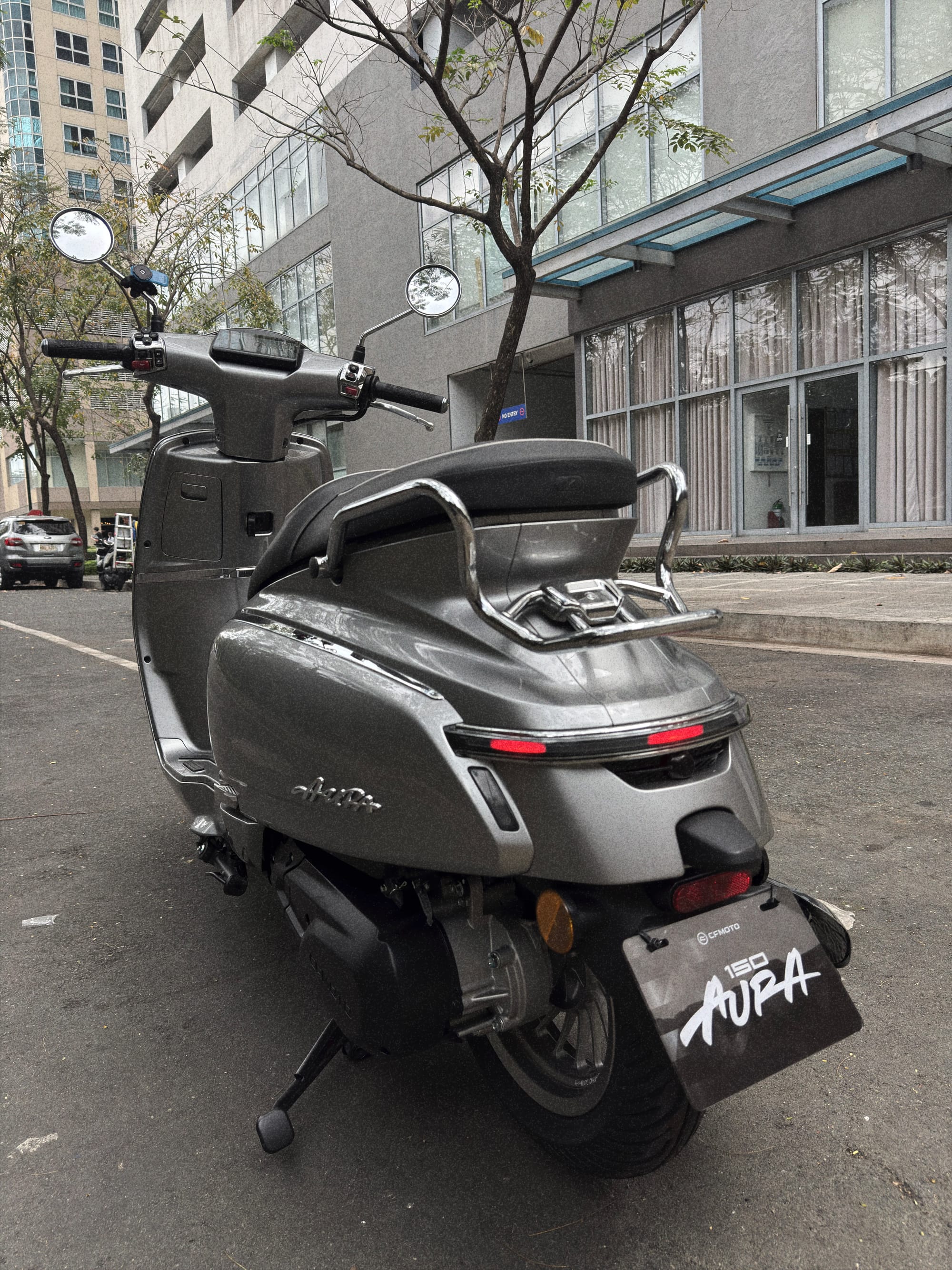
A notable element of CFMOTO’s North American footprint is its distinct regional nomenclature. Globally, CFMOTO utilizes descriptive alphanumeric naming conventions: the adventure line is designated as MT (Multi-Touring), and sports models use SR (Sport Racing). In the United States and Canada, however, CFMOTO rebrands these identical models:
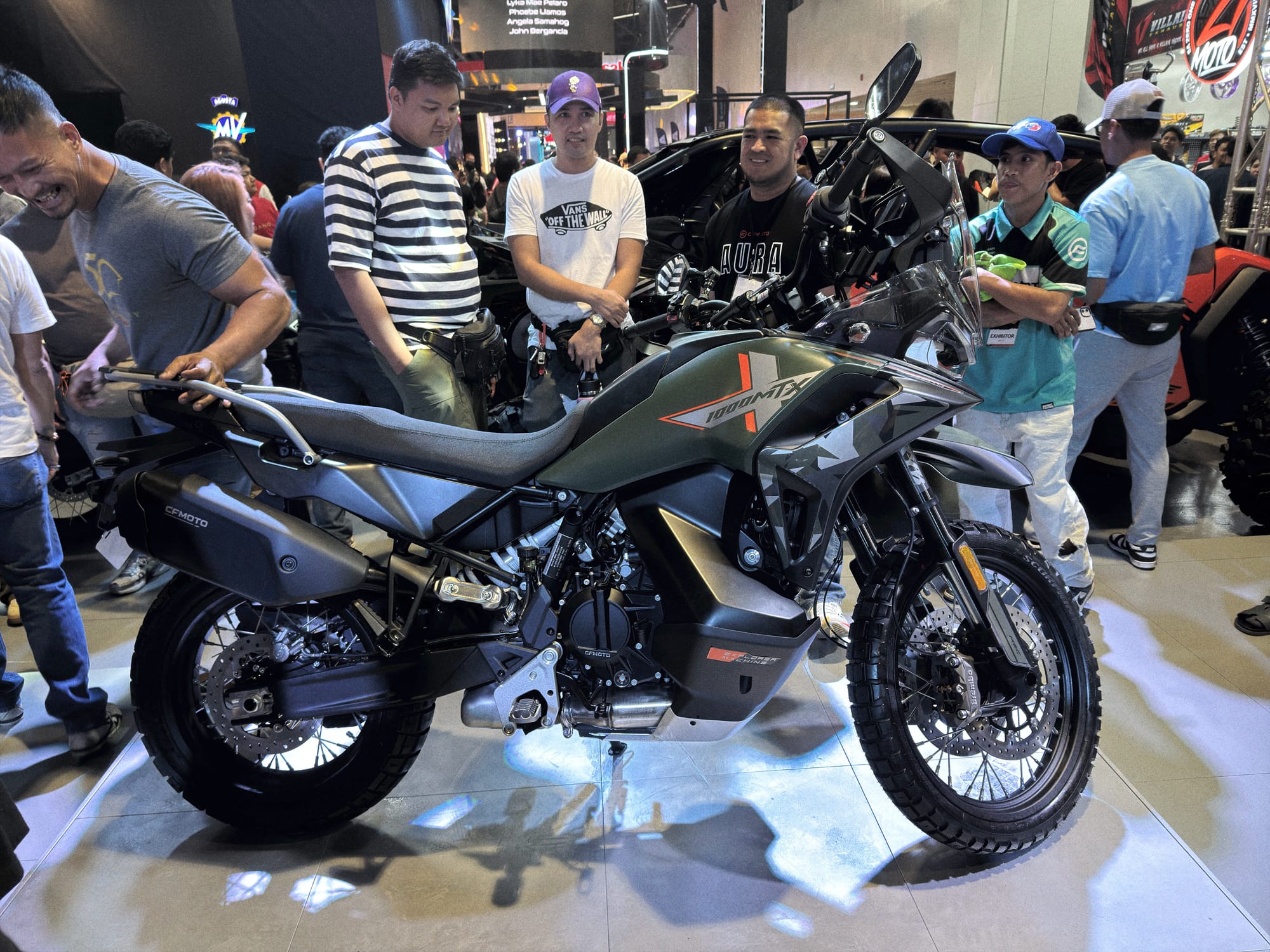
- Adventure Lineup: Global 450MT, 800MT, and 1000MT-X become the Ibex 450, Ibex 800, and Ibex 950.Cycle World
- Sport Lineup: Global 450SR and 675SR-R become the 450SS and 675SS (Super Sport).Off Road 104
- Touring Models: Earlier platforms like the 650MT were badged as the Adventura in North America.
This naming divergence raises questions regarding regulatory intent: Does localized rebadging serve as a legal mechanism to obscure parentage or navigate federal import restrictions?
Legal and trade analysis indicates this is not a regulatory loophole. Federal customs authorities (U.S. Customs and Border Protection) and the Department of Commerce regulate imports based on manufacturer entity IDs, country of origin, structural Vehicle Identification Numbers (VINs), and engine family certifications, not commercial model names. A bike badged as an "Ibex" carries the exact same Chinese manufacturer VIN prefix, and regulatory compliance filings as a "450MT."
Instead, the rebadging is a calculated market positioning strategy:
- Trademark Navigations: Avoiding potential trademark disputes with Western brands that hold established rights to specific letter combinations (such as "MT" or "SR").
- American Market Alignment: North American consumers historically prefer distinct model names (e.g., "Ibex") over generic alphanumeric codes favored in European and Asian markets.
Note: Unconfirmed Technical Points
To maintain complete investigative precision, three specific elements remain unconfirmed:
- Specific Authorization Status: There is no public record indicating whether CFMOTO USA has applied for, received, or been denied a Specific Authorization from BIS.
- Model Year 2027 Specification: CFMOTO USA has not publicly specified whether Model Year 2027 motorcycles delivered to US showrooms maintain active T-Box telematics or rely on modified software.
- Applied Import Duties: Exact import duty classifications following the July 2026 tariff adjustments have not been publicly disclosed by customs brokers representing powersports importers.
News Moto has submitted formal inquiries regarding these points to CFMOTO and the Bureau of Industry and Security. This report will be updated upon their response.
Key Takeaways
- Regulatory Parity: On paper, CFMOTO is subject to the same Department of Commerce Connected Vehicle Rule as Chinese automobile manufacturers.
- Market Realities: CFMOTO avoids full sales shutdowns because powersports tariffs are lower than passenger EV tariffs, off-road vehicles fall outside the rule's scope, and motorcycle connectivity systems can be modified or removed.
- Future Outlook: The regulatory window is narrowing. Model Year 2027 represents the initial enforcement boundary for software restrictions, with hardware bans taking effect between 2029 and 2030.
I will enjoy this CFMOTO 800MTX while I still can:
Policy debates and legal technicalities aside, as a rider, the real-world execution on the road remains what matters most. I continue to log long miles on this 800MT-X, enjoying every ride while the current trade window permits.
The reality on the showroom floor is hard to ignore: this machine matches, and in key areas, surpasses comparable Japanese adventure models I have owned or tested. While several established Japanese manufacturers continue to equip mid-tier models with outdated calculator-style monochrome displays and strip basic electronic features on lower trims, CFMOTO delivers fully equipped, refined platforms at very competitive price points.
Whether Washington's regulatory net eventually tightens around Chinese powersports imports remains an open question. For now, we watch how CFMOTO navigates the trade landscape and just keep riding.