Beyond the Friction Plate: How F.C.C. is Pivoting from Global Clutch Dominance to the EV Frontier

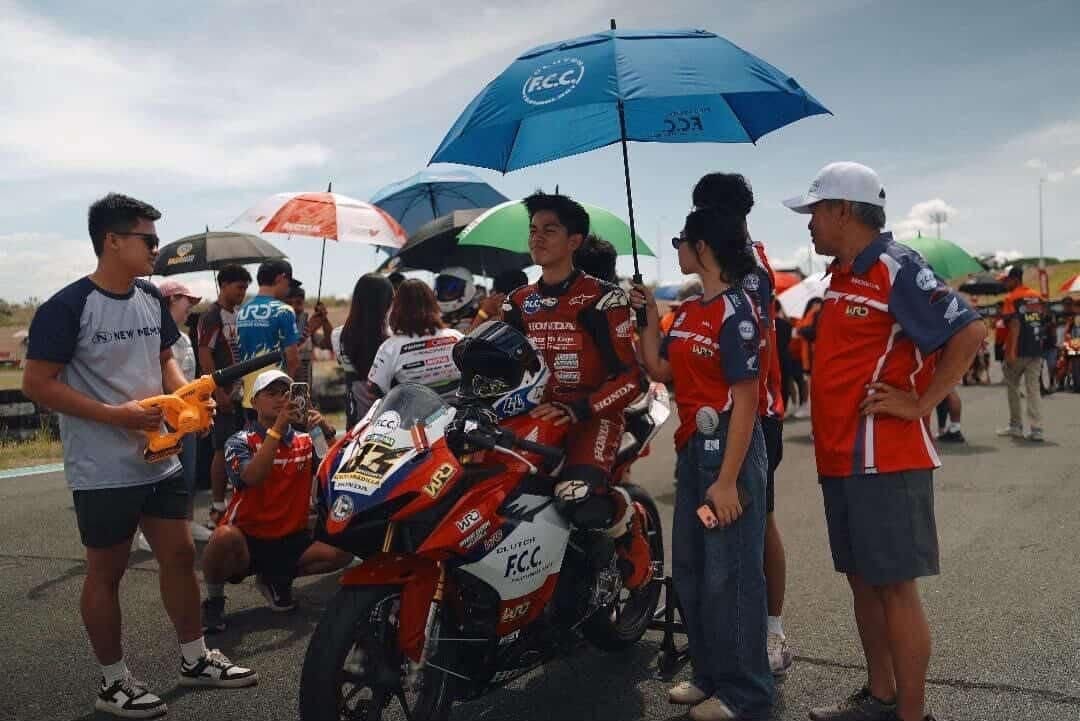
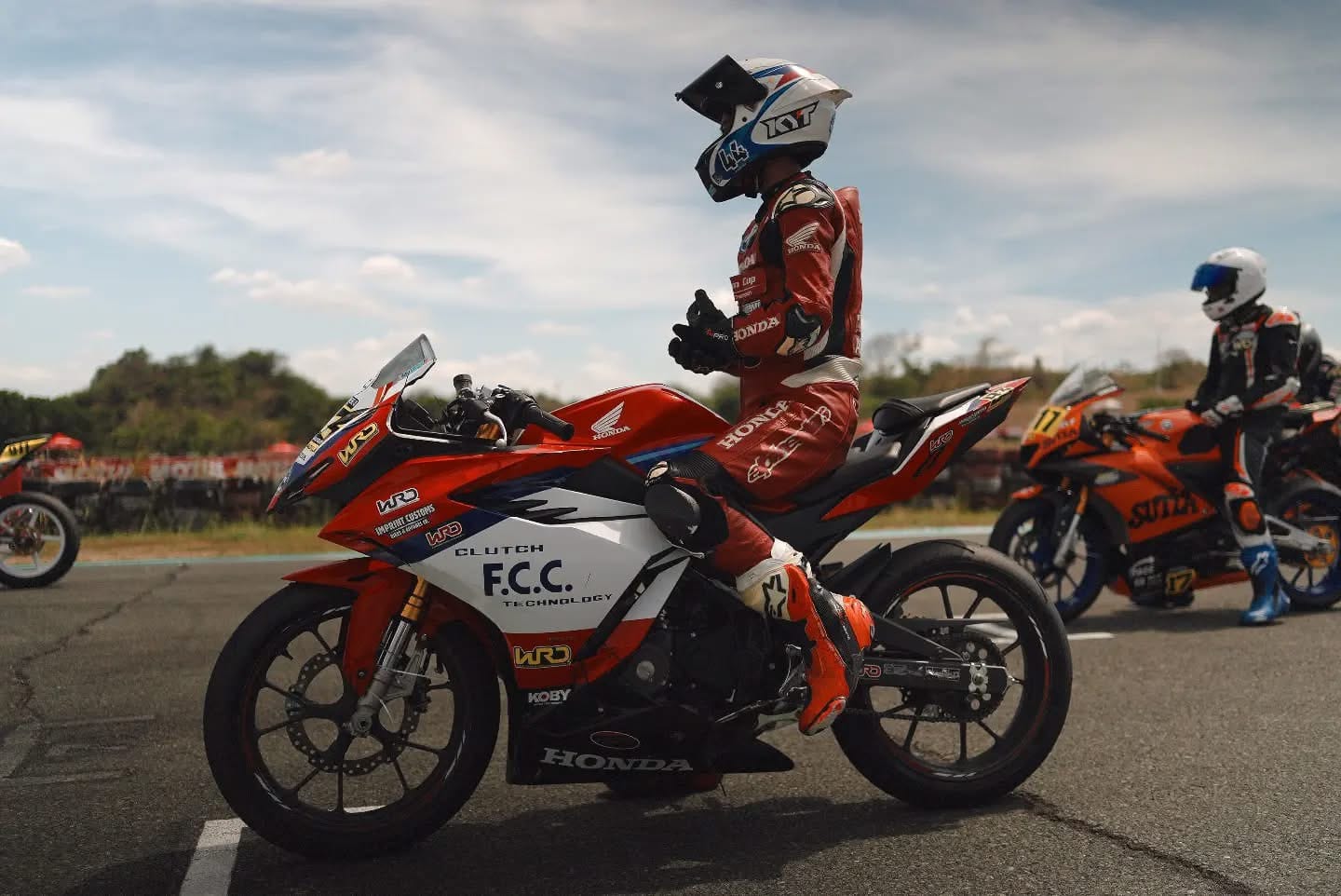
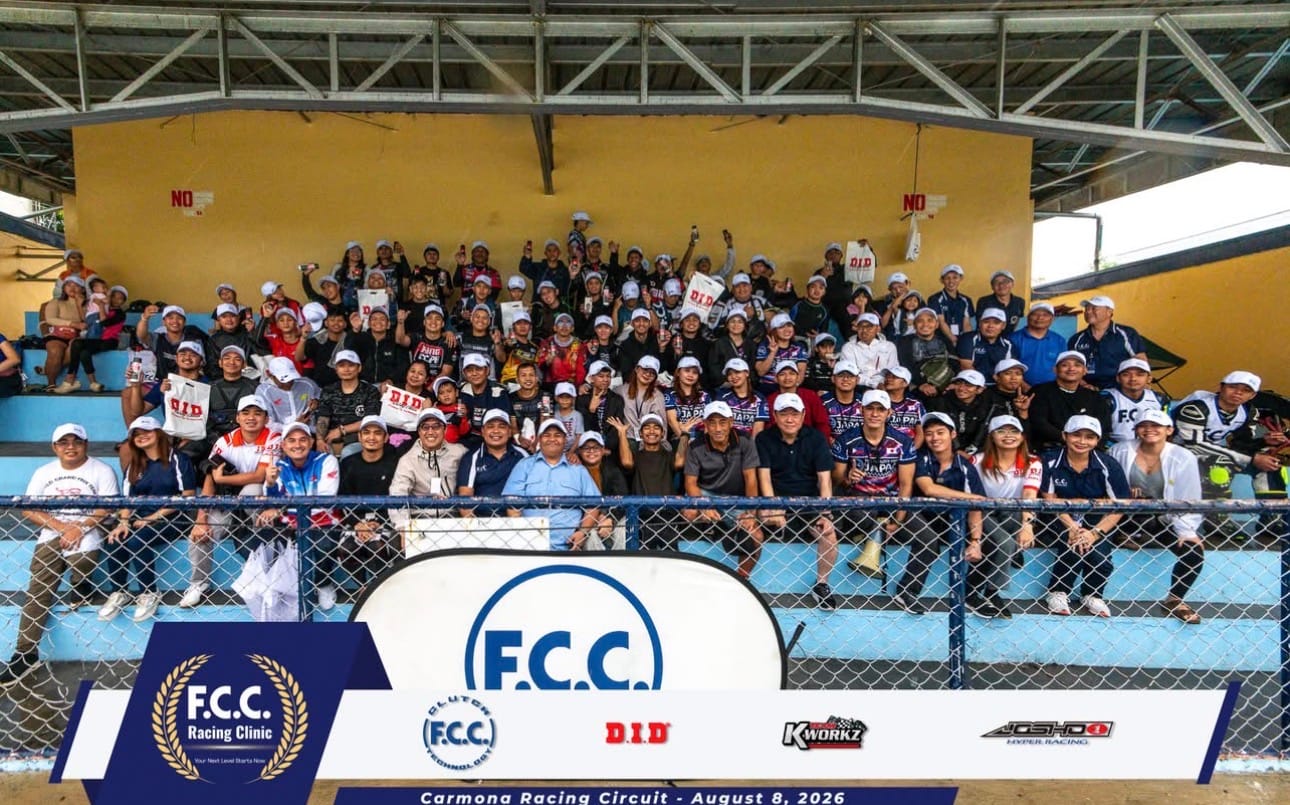
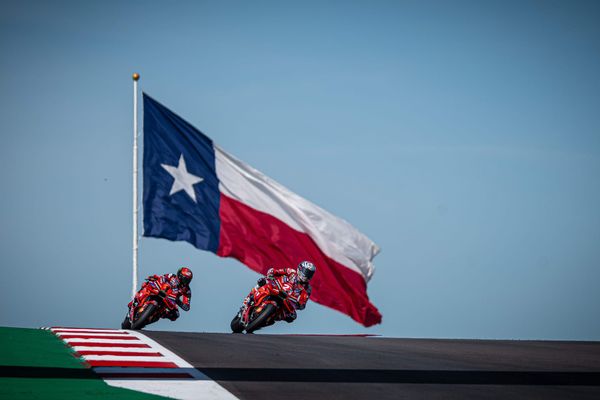
To anyone who has spent time wroking in a paddock or following Philippine local racing,F.C.C. (Fujiyoshi Kogyo Co., Ltd.) needs very little introduction. For decades, the name has been synonymous with high-performance drivetrain grip. If you’re running a competitive underbone or a track-prepped motorcycle in local series like the Inside Racing Grand Prix (IRGP), MotoIR, or the Honda Dream Cup, where young guns like Kenzo Abadilla, Carlsen Solis and fellow young batch mates cut their teeth, chances are high that an F.C.C. friction plate or clutch assembly is transferring that power to the rear wheel.
Globally, F.C.C. commands over 50% of the motorcycle clutch market, acting as the quiet, indispensable backbone for major manufacturers, particularly Honda, both in mass-production road vehicles and premier-class racing paddocks.
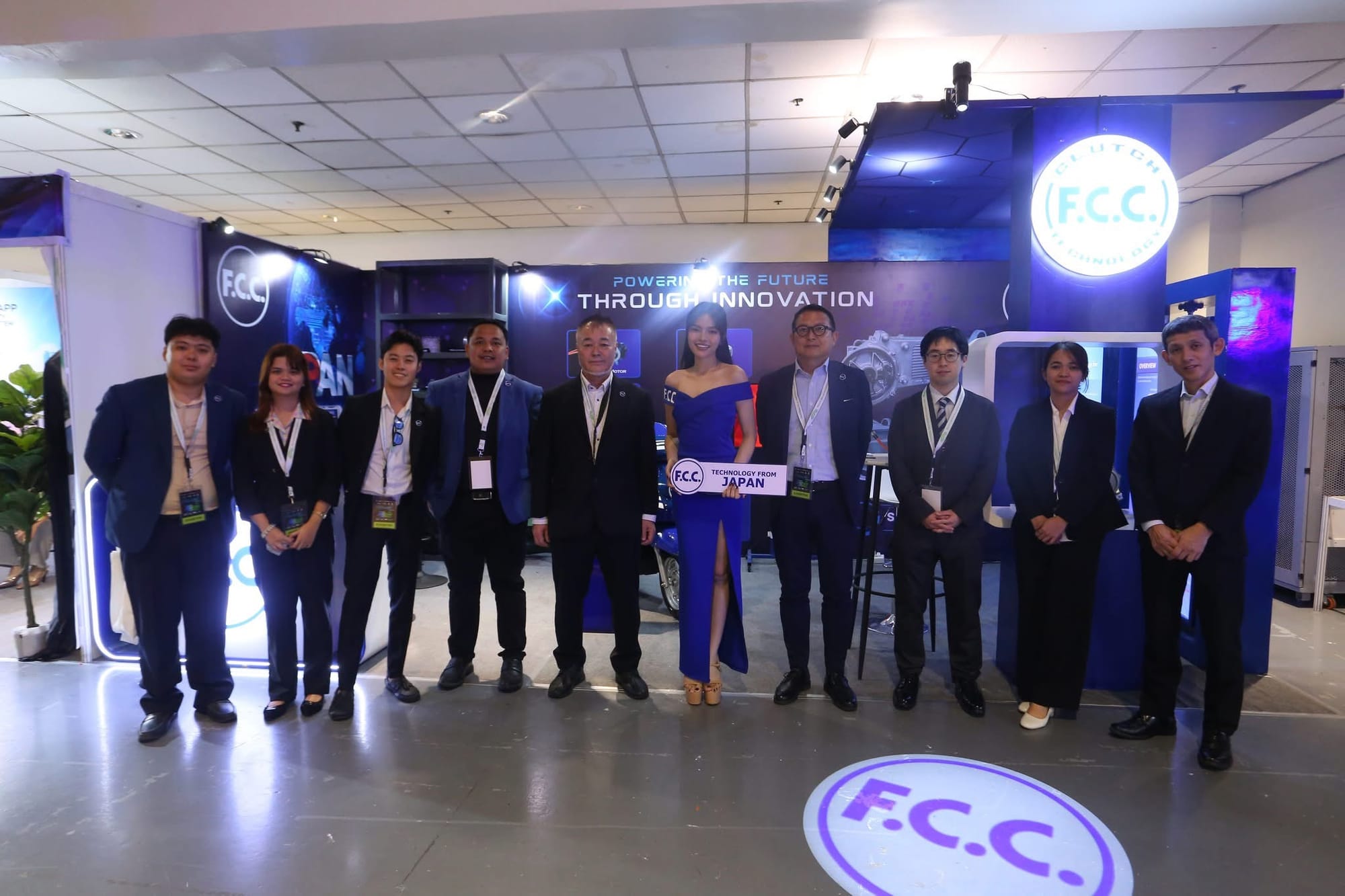
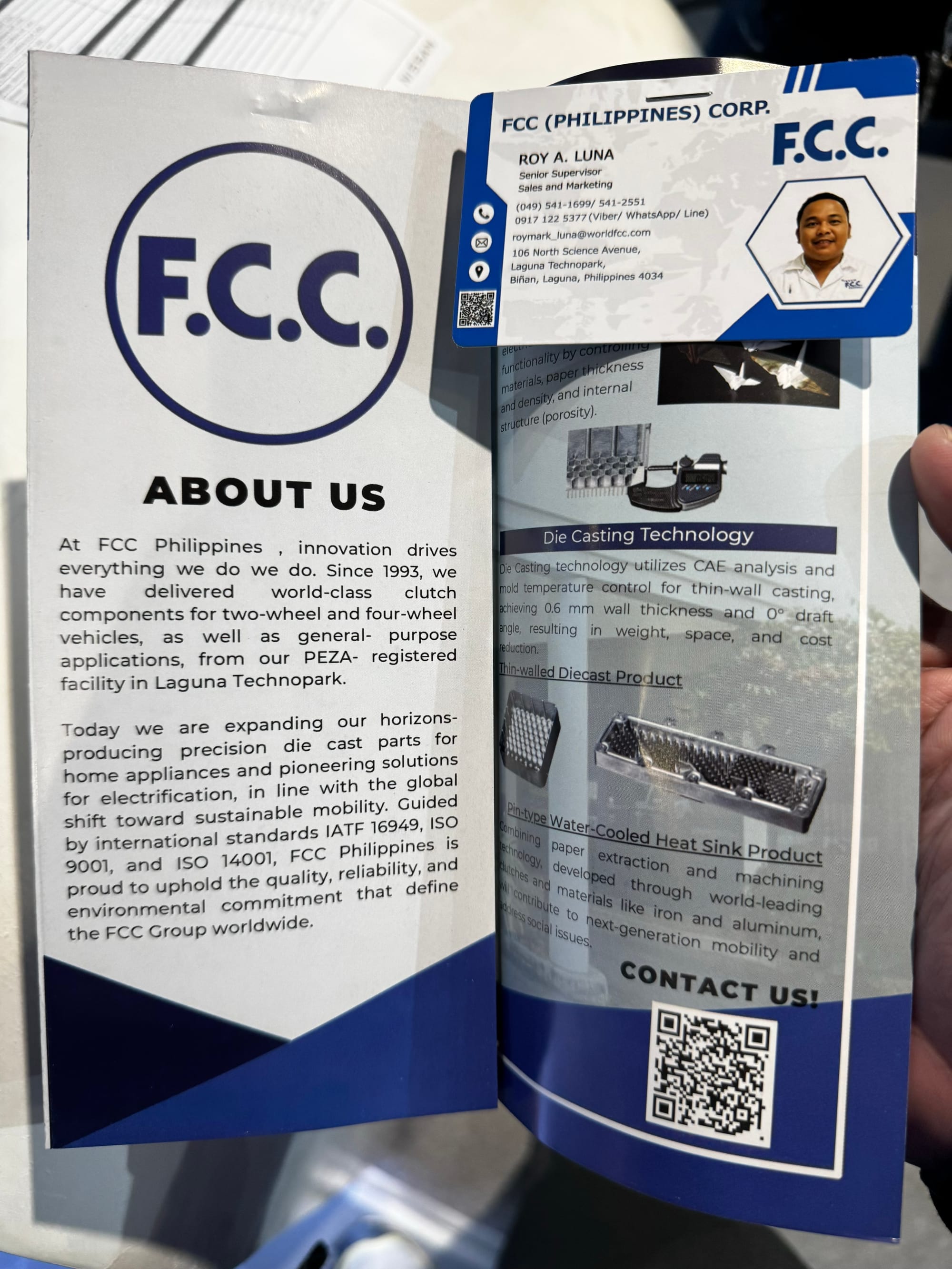
The local manufacturing outpost, FCC (Philippines) Corporation, has quietly operated out of its PEZA-registered facility at the Laguna Technopark in Biñan since 1993. For over thirty years, it has supplied world-class drivetrain components to the domestic and export markets. But catching up with the company’s leadership at the Philippine EV Summit at the SMX Convention Center reveals a striking reality: the giant that built its empire on friction is aggressively engineering its own disruption.
"Future-Oriented": Grassroots Racing Meets Industrial Evolution
When speaking with the company’s Japanese president at the summit, the corporate philosophy offered a sharp contrast to the typical booth-speak of a legacy parts manufacturer.
"We are very future-oriented," he stated, cutting straight to the core of their operational ethos. "We support racing too, supporting the Honda Dream Cup and young racers in Philippines and Asian championships."
To a casual observer, pouring resources into combustion-based grassroots racing while simultaneously exhibiting at an electric vehicle summit might look like a paradox. To a journalist with an industrial mindset, it’s a calculated, dual-track strategy.
Racing has never just been a marketing exercise for F.C.C.; it is a harsh, high-frequency laboratory. The thermal stress, shear forces, and material fatigue experienced under a 12-year-old prodigy dumping the clutch off the grid at the Honda Dream Cup provide empirical, real-world data that no computer simulation can fully replicate. By backing young talent like Kenzo Abadilla and Carlsen Solis and supporting one-make developmental classes, F.C.C. maintains its deep-rooted ties with Honda and the grassroots racing community. It ensures that the engineering pedigree forged on local tracks feeds directly back into their metallurgy and friction material R&D.
Pivoting to the Grid: The Industrial Shift to EV:
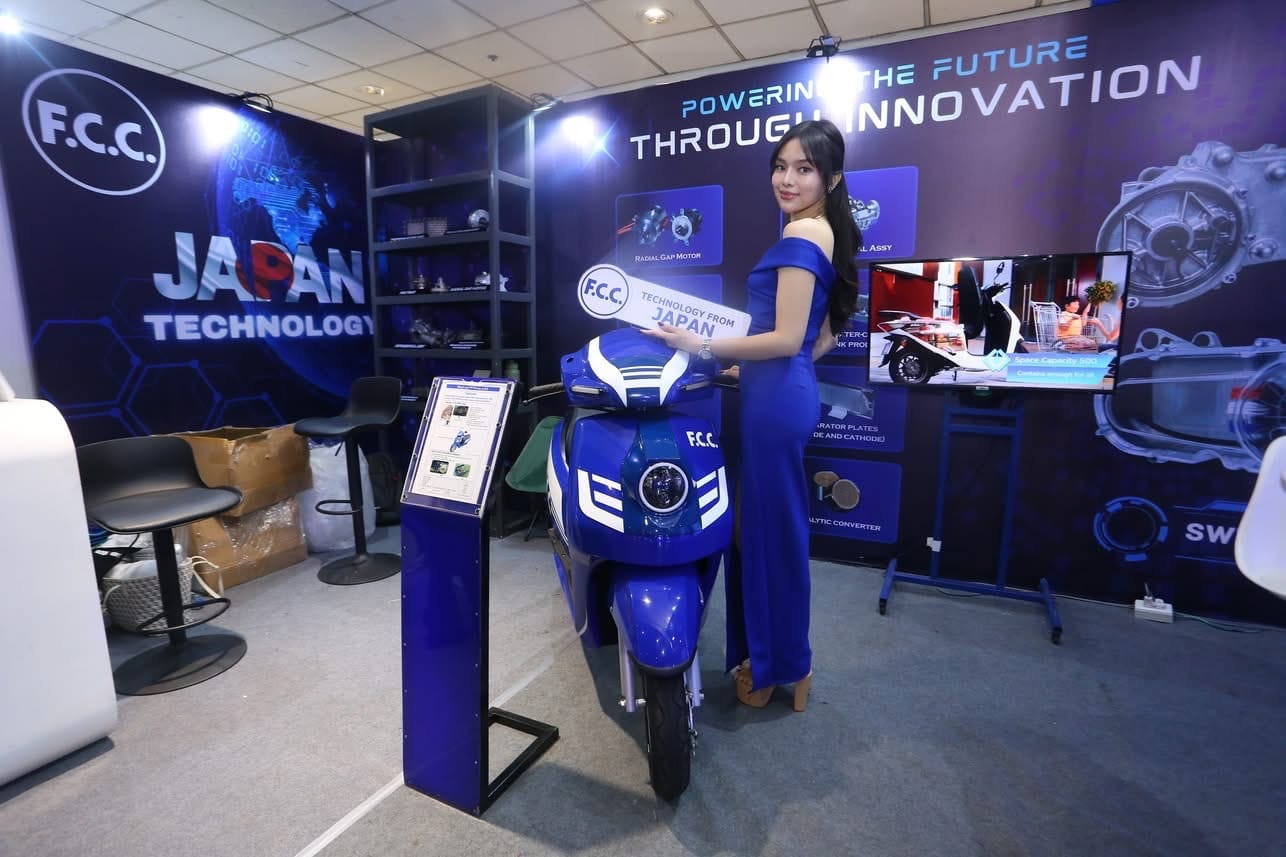
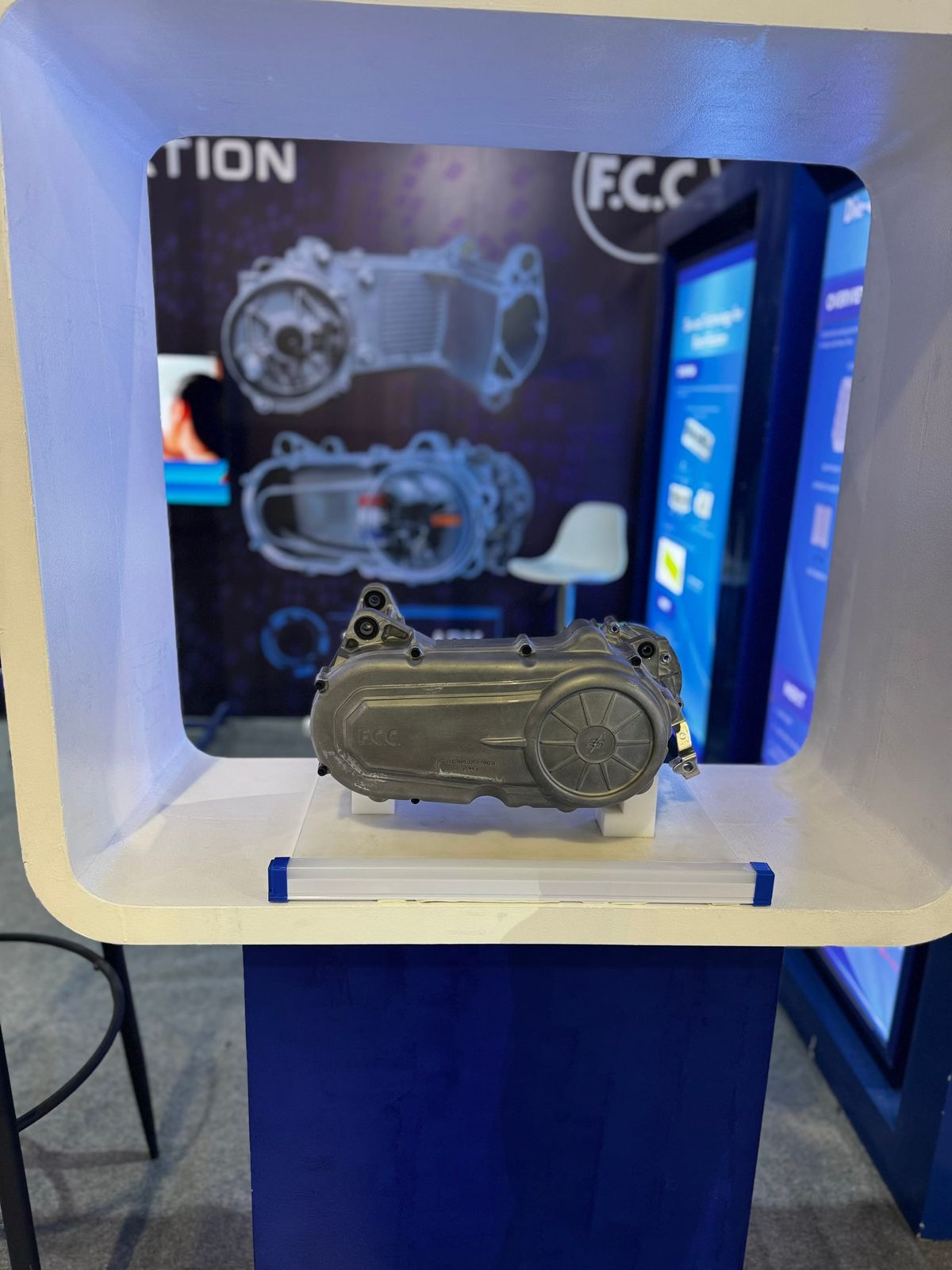
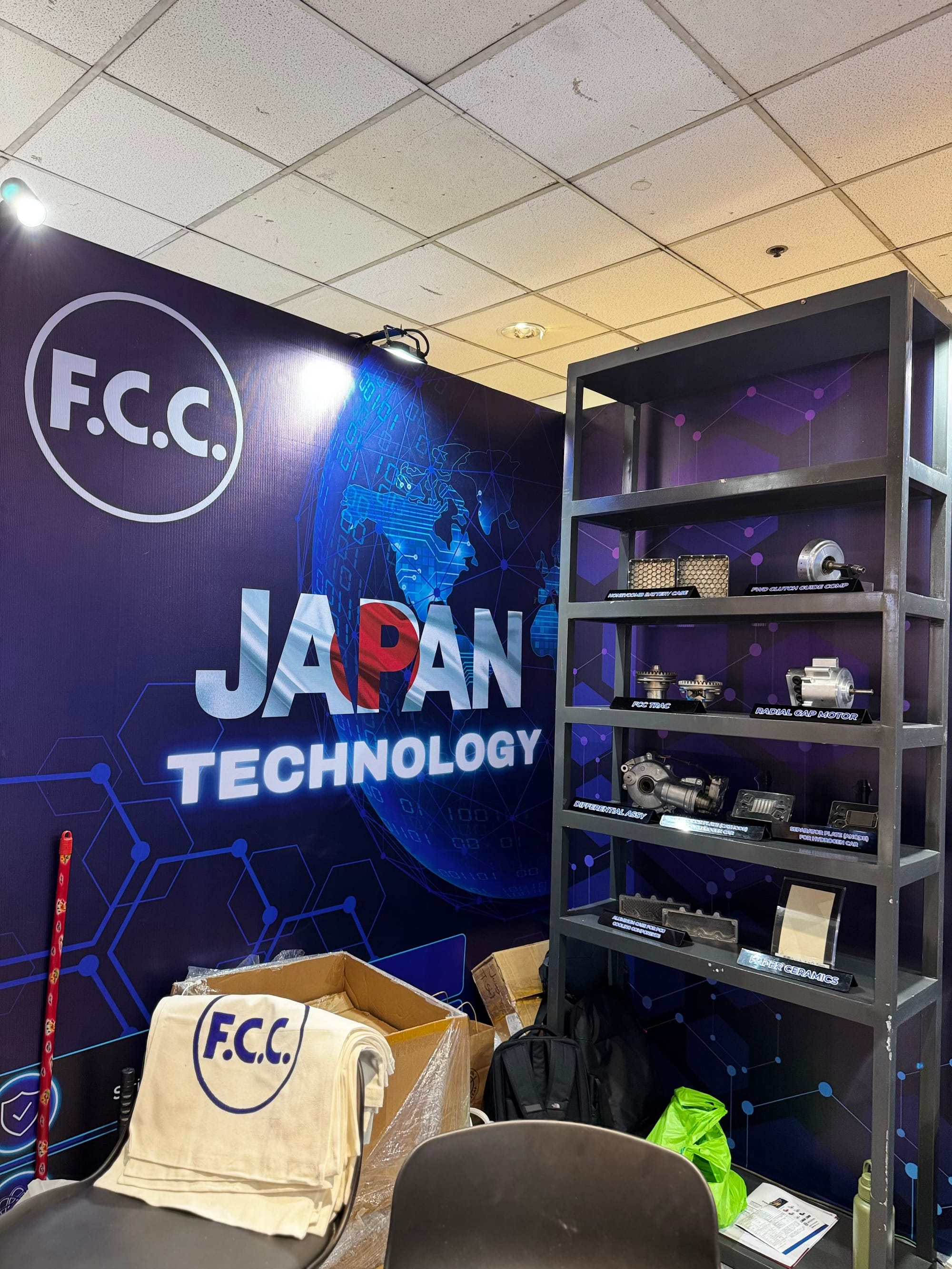
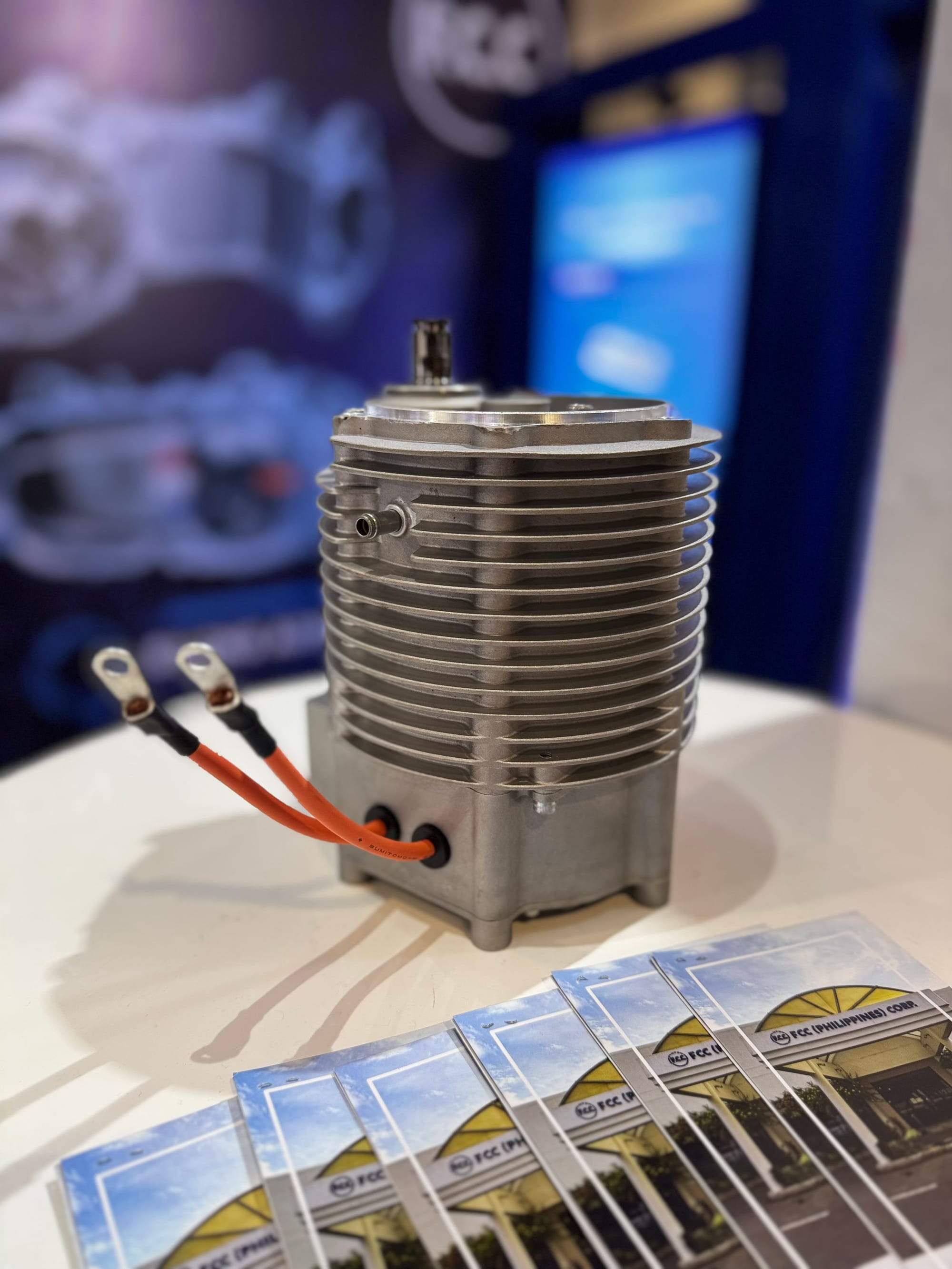
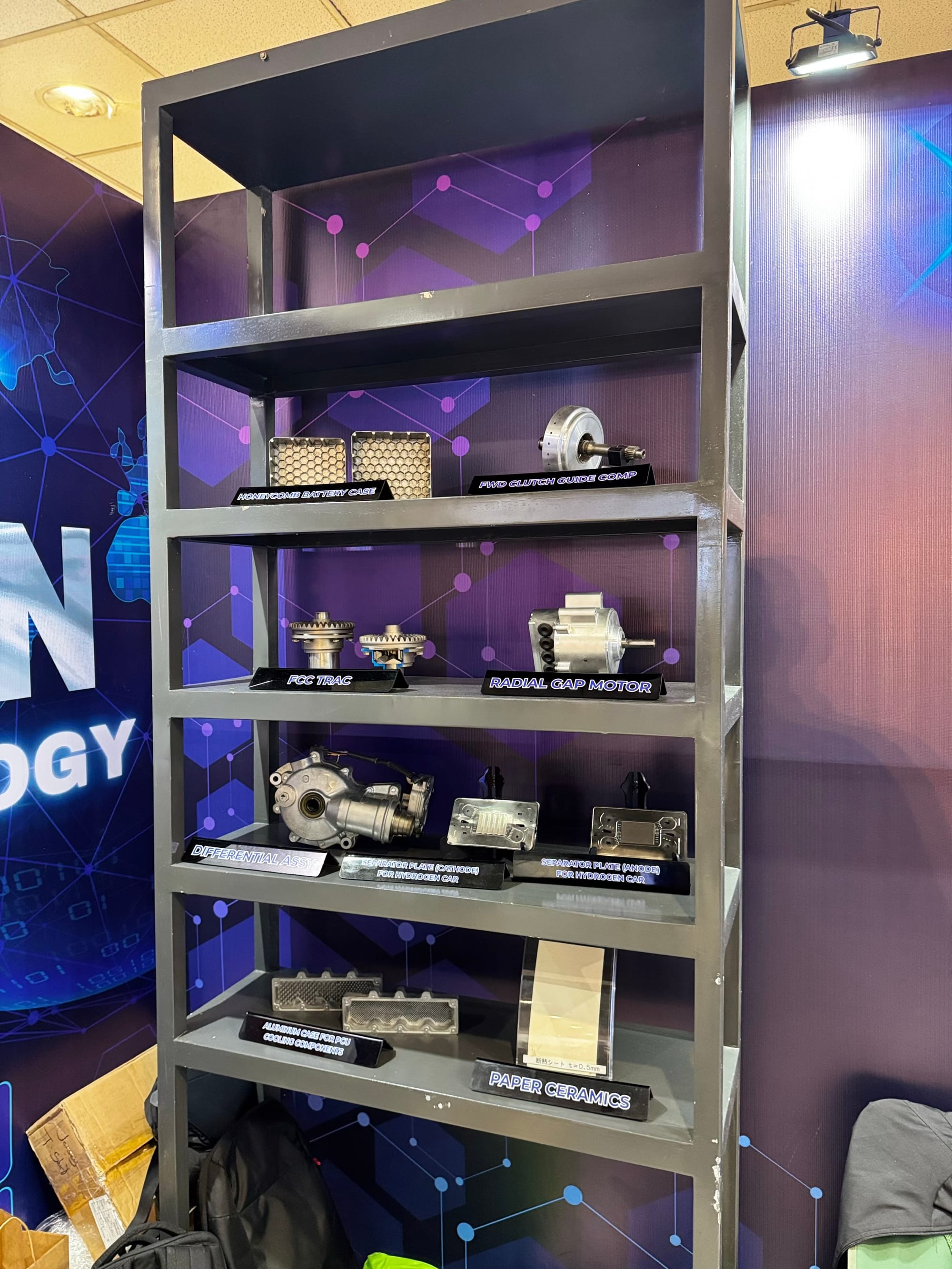
That same industrial discipline is precisely what is fueling their transition away from pure internal combustion dependence. Walking past the display shelves at their SMX booth, traditionally home to heavy steel clutch hubs and wet multi-plate assemblies revealed a starkly different product lineup: precision-engineered electric motors, controllers, pin-type water-cooled heat sinks, and die-cast aluminum housings built specifically for two-wheel electrification.
As global mobility shifts toward sustainable transport, the writing is on the wall for legacy drivetrain suppliers. An electric scooter doesn't use a multi-plate wet clutch. If a 30-year veteran of mechanical friction insists on standing still, obsolescence is guaranteed.
F.C.C. is avoiding that fate by leveraging its core manufacturing strengths specifically its advanced aluminum die-casting technology, computer-aided engineering (CAE) mold temperature controls, and proprietary paper-extraction/machining techniques into new product categories. Operating strictly as a B2B powerhouse from their Laguna plant, they are now supplying and exporting precision die-cast EV components, motors, and controllers across Southeast Asia and China.
The Journalist’s Take
There is no sugarcoating the difficulty of the transition facing traditional automotive suppliers. The shift to electrification threatens to erase supply chains that have taken half a century to build.
Yet, talking to the leadership at the Philippine EV Summit crystallizes why some legacy giants survive and others fade.F.C.C. isn't abandoning its DNA; it is translating it. They built a global reputation by mastering the science of how power is handled, delivered, and controlled under extreme loads. Whether that power comes from a screaming 150cc four-stroke engine screaming down the straight at Tarlac Circuit Hill, Sepang Circuit or a high-torque brushless electric motor humming through city traffic, the underlying engineering mandate remains identical: absolute reliability under pressure.
From the starting grids of local underbone racing to the clean-sheet design of electric scooter powertrains, F.C.C. Philippines is proving that an industrial mindset isn't tied to a specific type of fuel. It’s tied to the relentless pursuit of what comes next.