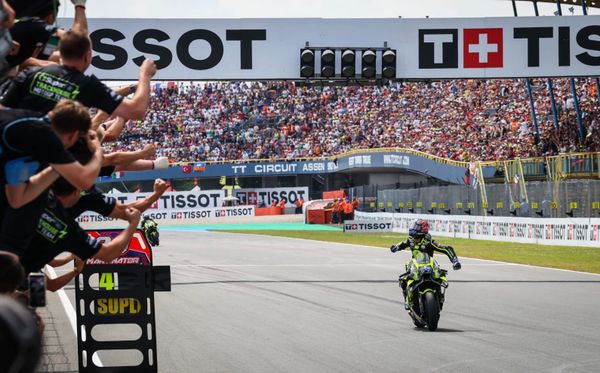
EWC Technical Architecture: Team Suzuki CN Challenge GSX-R1000R Finishes High in the Suzuka 8 Hours 2026

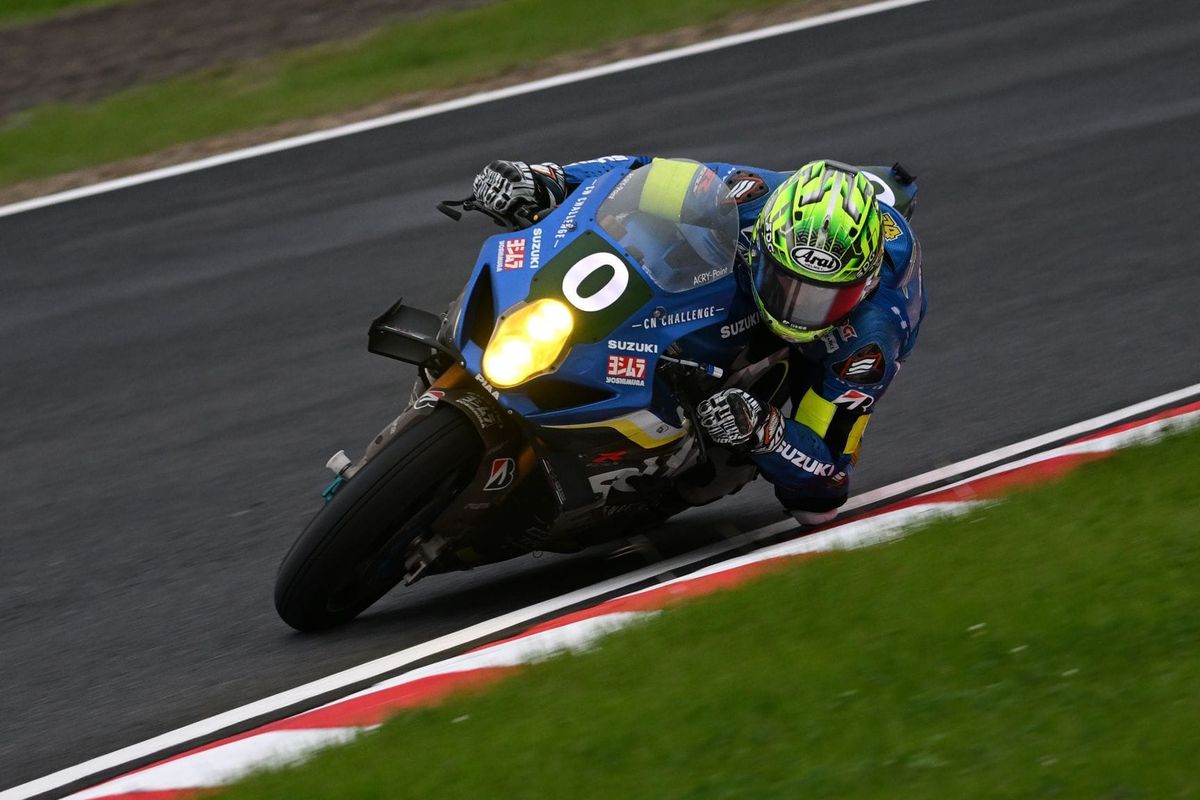
The Team Suzuki CN Challenge #0 entry is a rolling laboratory operating in the EWC’s Experimental Class. While a factory EWC bike uses specialized, high-performance sprint components, Suzuki’s objective with this GSX-R1000R is to prove the structural reliability of sustainable materials under continuous racing stress.
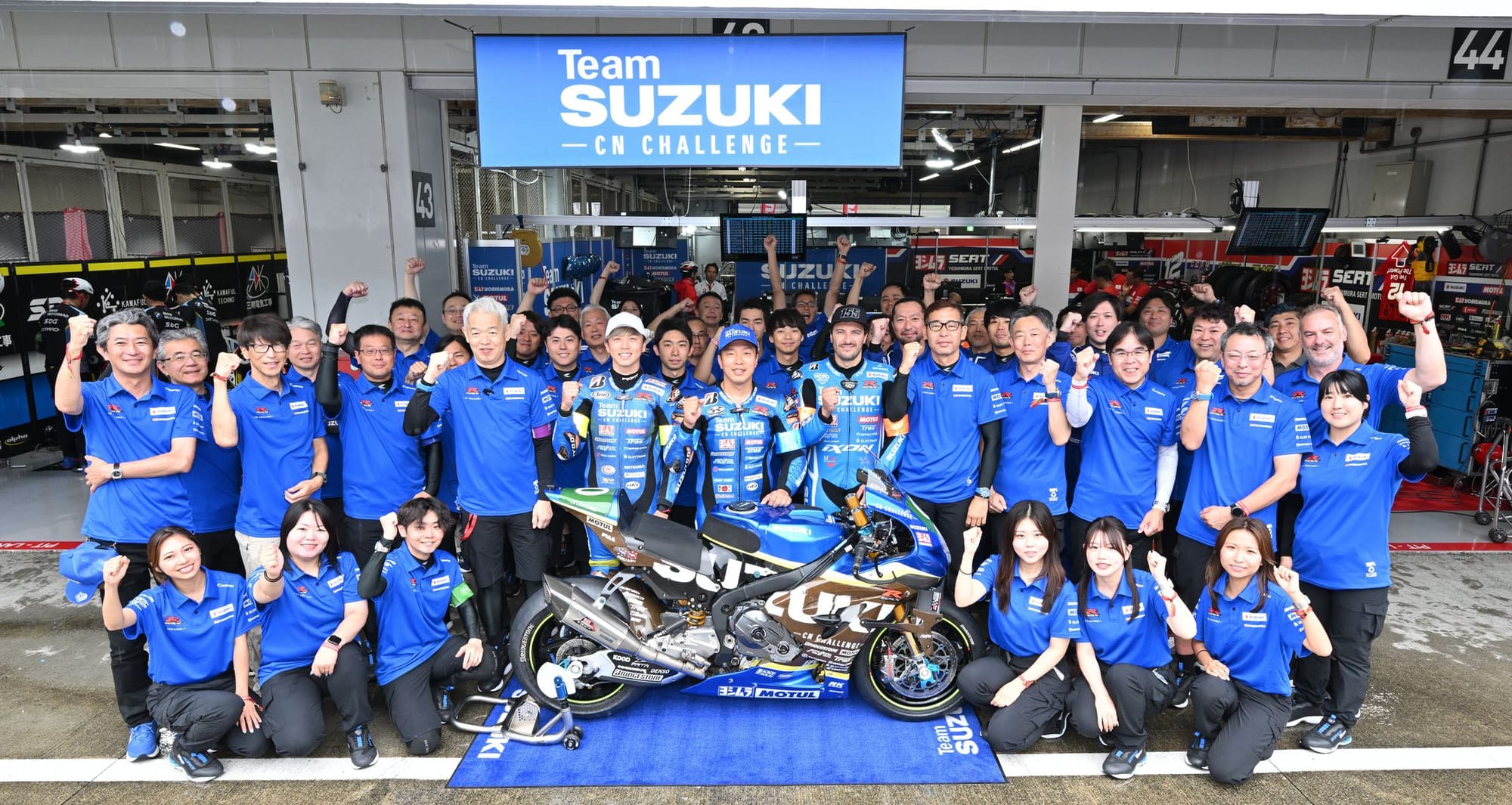
Suzuki optimized the 2026 machine with the following sustainable component framework:
- Fuel (100% Sustainable): Rather than the 40% blend run during the project’s inaugural year, the 2026 bike ran on TotalEnergies Excellium Racing 100. This fuel is 100% derived from bio-industry waste—such as grape pomace and used cooking oil—reducing greenhouse gas emissions by at least 85% compared to petroleum fuels while matching high-octane performance.
- Bodywork & Composites: Traditional carbon fiber fairings were replaced in critical areas. The front and rear fenders, side fairings, and seat cowl were manufactured from Tras Bcomp®, an unbleached natural flax fiber composite material. The fuel tank cover introduced a Sustainable Carbon Nonwoven Fabric to test structural reinforcement alternatives.
- Lubrication & Braking: The engine utilized a custom Motul lubricant formulated entirely from a bio-sourced base oil. To minimize hazardous track runoff, the front braking assembly used Sunstar Engineering non-heat-treated steel discs combined with Tokai Carbon low-dust pads.
- Chassis & Ancillaries: Power was delivered via an RK Japan drive chain utilizing carbon-black-free seals. The electrical system relied on an onboard ELIIY Power Lithium Iron Phosphate (LFP) battery, while the pit garage itself was backed by recycled industrial storage batteries. The exhaust gas flowed through an eco-friendly Nippon Steel / Yoshimura Japan titanium muffler using TranTixxii™-Eco material.
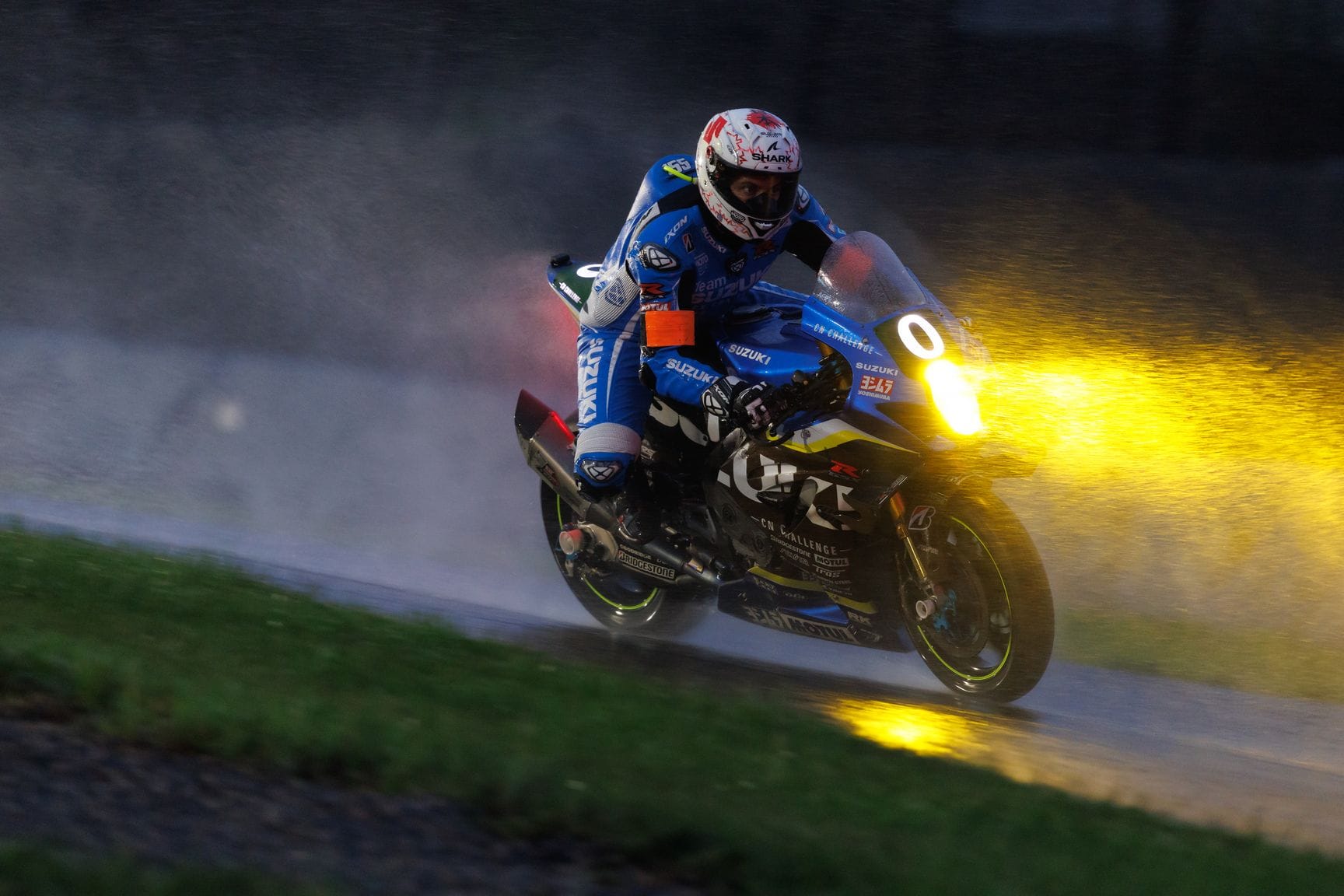
Lap Time & Pace Analysis vs. Factory Teams
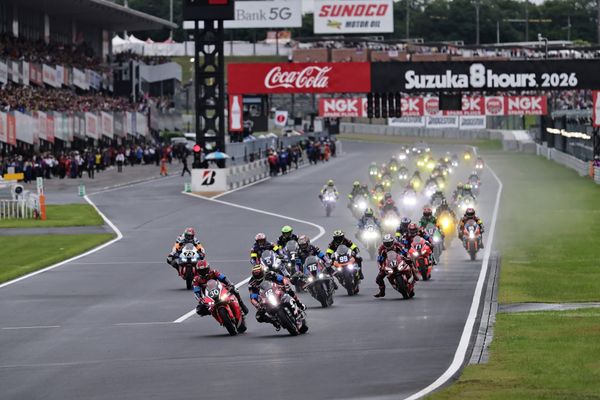
The performance of the CN Challenge bike dispelled the myth that sustainable materials compromise raw racing speed. Despite the heavy rain, flooding, and three separate safety car interventions, the data confirms it held the pace of the front-running prototype field.
Official Best Lap Comparison (Suzuka Circuit: 5.821 km)
-------------------------------------------------------------
1. #21 Yamaha Factory Racing Team (Jack Miller)   : 2'16.034  (Overall Benchmark)
2. #37 BMW Motorrad World Endurance Team        : 2'16.097  (Euro Leader)
3. #30 Team HRC with Japan Post (Factory Honda)  : 2'17.097  (Race Winner Pace)
4. #0  Team Suzuki CN Challenge (Ryo Mizuno)      : 2'17.974  (Experimental Class)
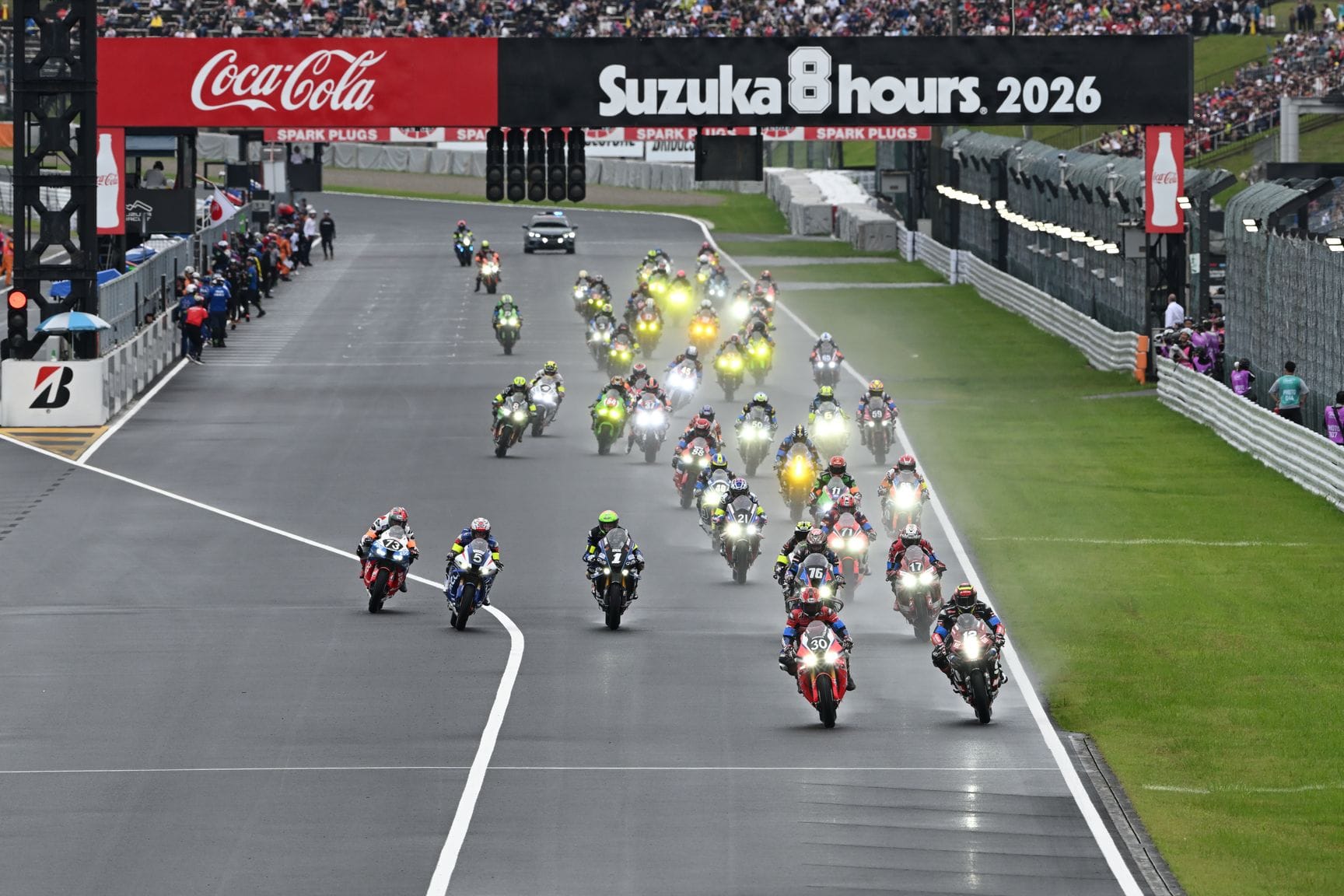
Pace Breakdown
- The Delta: Ryo Mizuno’s personal best lap of 2'17.974 on the eco-spec Suzuki was within 1.94 seconds of the absolute fastest lap of the race, set by MotoGP rider Jack Miller on the full factory #21 Yamaha (2'16.034).
- Intra-Brand Parity: Suzuki's experimental bike ran neck-and-neck with its own full-factory counterpart. The permanent full-season EWC squad, Yoshimura SERT Motul #12, clocked a best race lap of 2'17.025. The CN Challenge bike tracked just 0.949 seconds off the premier SERT factory package.
- The Endurance Proof: Finishing 7th overall out of 50 starters while completing 186 laps (matching the total loop count of the 6th-place factory SERT bike) proved that bio-lubricants, eco-brakes, and natural fiber bodywork can handle thermal cycles and mechanical loads identical to conventional tier-one factory machinery.