Samba, Speed, and Survival: The Guide to the Goiânia MotoGP Return

Why is MotoGP returning to Goiânia? And is this really a “new” circuit?
After a 22-year hiatus, the World Championship returns to Brazil. But we aren’t heading to the beaches of Rio or the skyscrapers of São Paulo. MotoGP is going deep into the heart of the country: the Brazilian Highlands.
Here is your high-speed briefing on the Estrella Galicia 0,0 Grand Prix of Brazil.
Has MotoGP ever actually raced here?
Yes, but you have to go back to the "Golden Era" of 2-strokes.
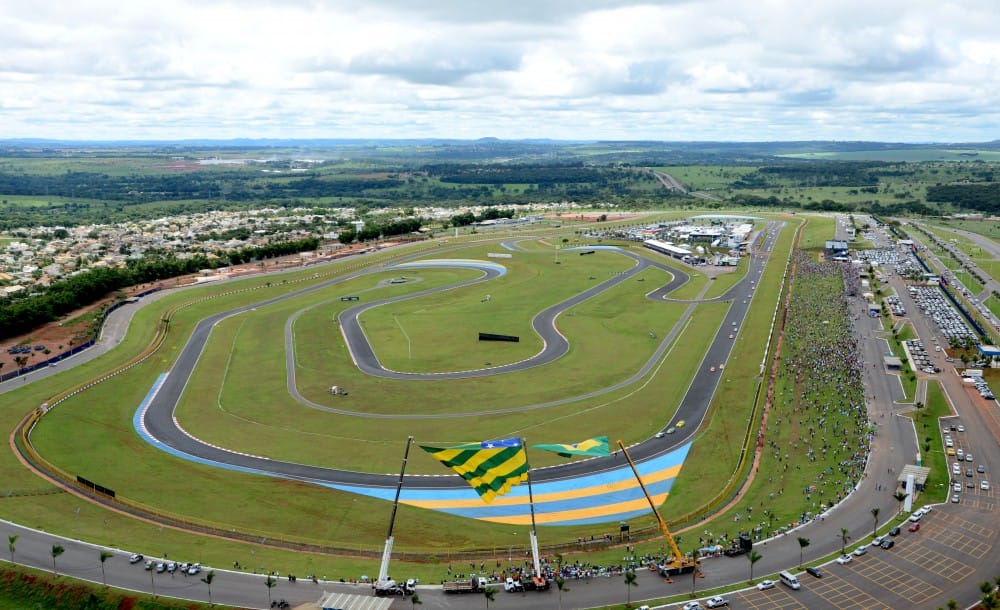
- The 500cc Legacy: Goiânia hosted the Brazilian GP from 1987 to 1989.
- Legendary Winners: Wayne Gardner (1987), Eddie Lawson (1988), and Kevin Schwantz (1989) all took the checkered flag here.
- The Drought: Since 1989, the race moved to Interlagos and then Rio (Jacarepaguá) before falling off the calendar entirely after 2004. This 2026 return marks the first time the 1000cc four-stroke monsters will touch this tarmac.
Why is it named after Ayrton Senna? Did F1 race here?
It’s a tribute, not a history lesson.
- The Name: The track was renamed Autódromo Internacional Ayrton Senna after his passing in 1994.
- F1 History: Despite the name, Formula 1 has never held a championship race in Goiânia. F1 has strictly stuck to Interlagos (São Paulo) and the now-demolished Rio circuit.
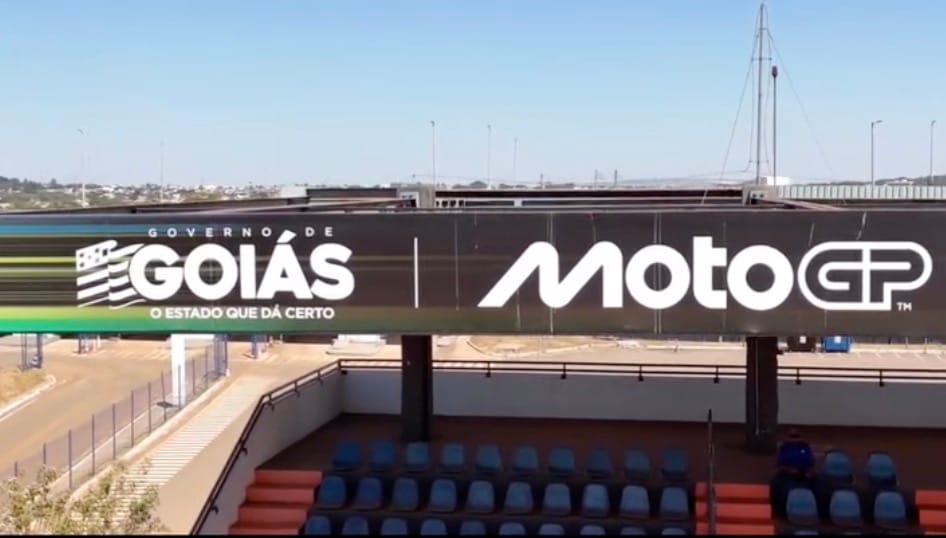
Who designed the Goiânia circuit—and why does it resemble Estoril?
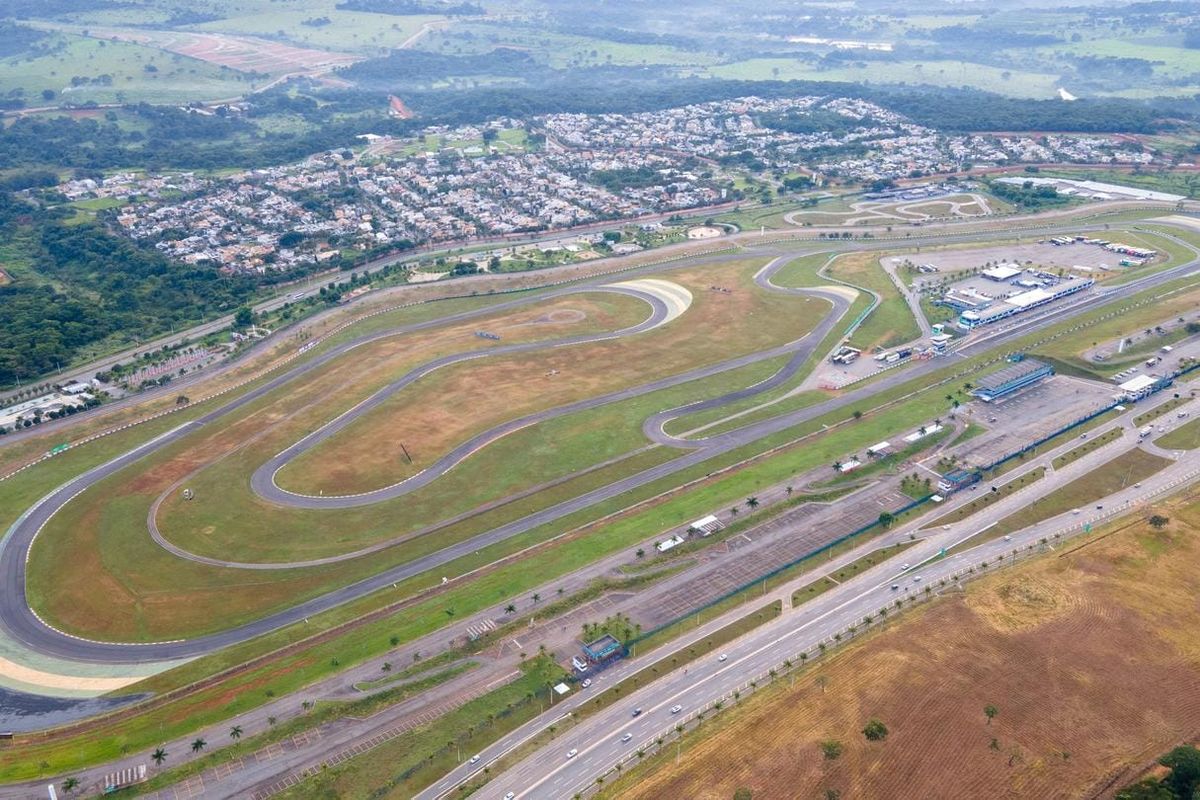
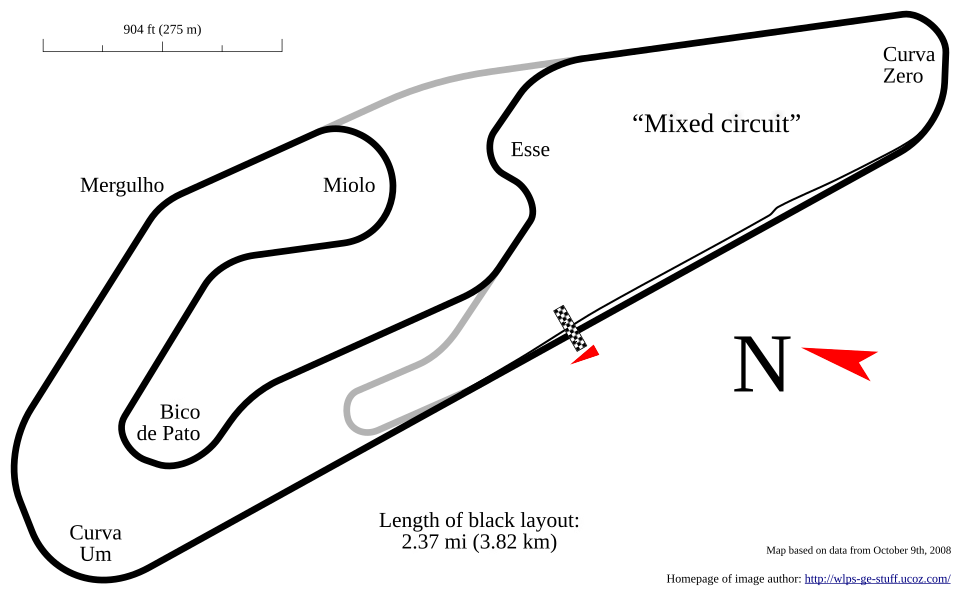
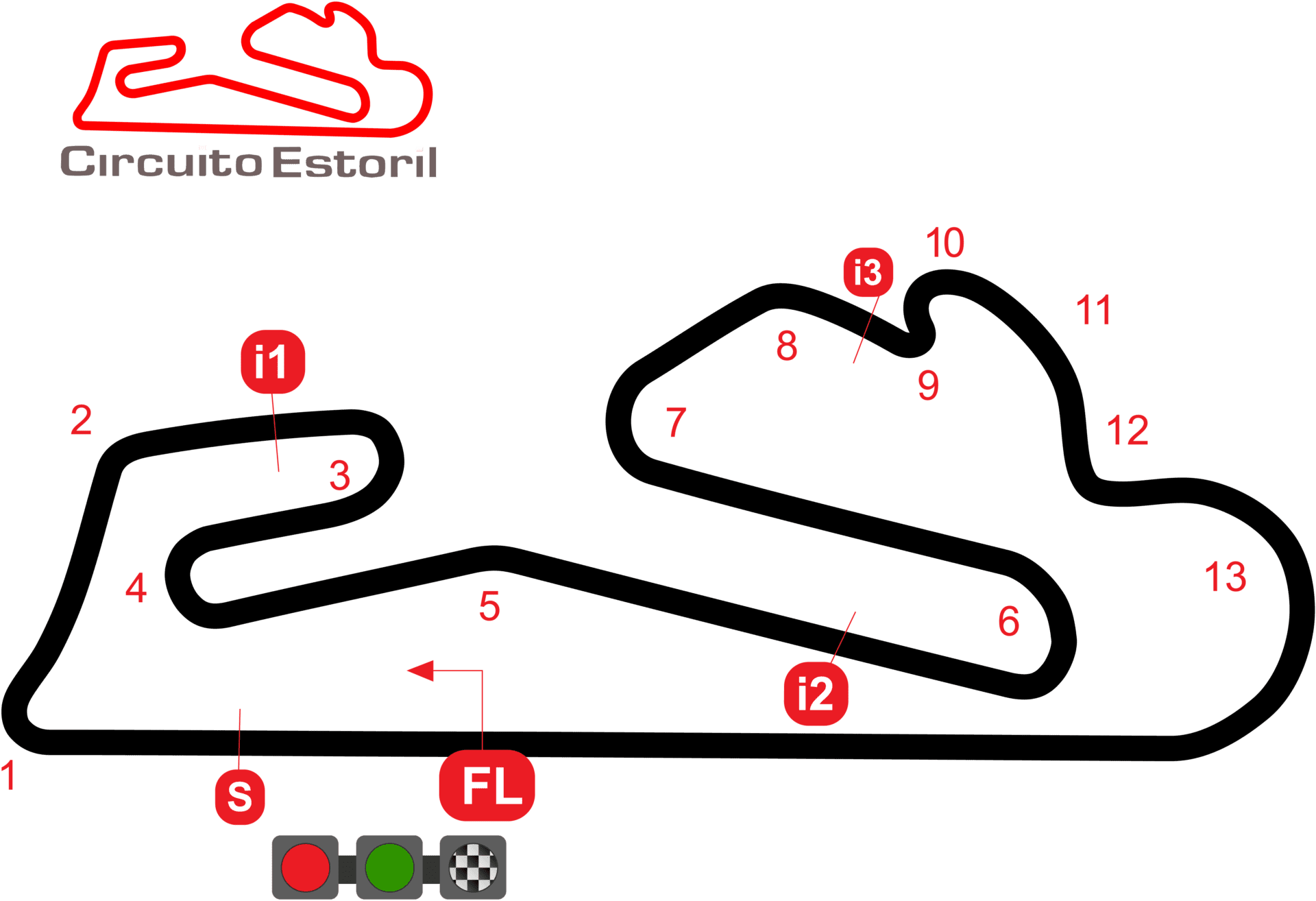
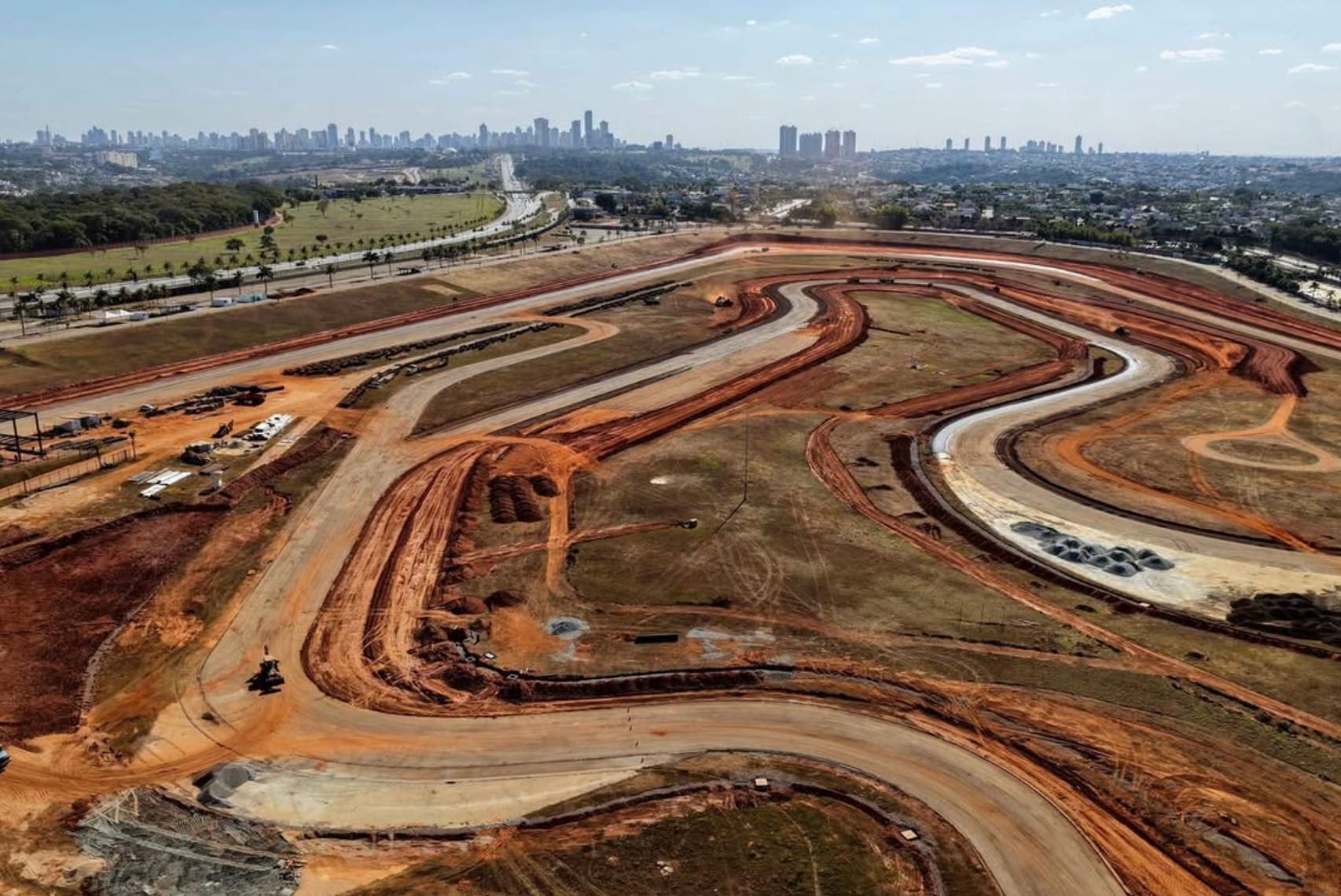
Unlike modern circuits designed by Hermann Tilke, Goiânia is a 1970s-era layout developed by Brazilian engineers. It belongs to the same design philosophy as Estoril and Jarama—flowing, compact, and momentum-based rather than stop-and-go.
Key similarities to Estoril:
- Long, sweeping final corner
- Medium-speed rhythm sections
- Compact ~3.8 km layout
- Minimal elevation change
This gives the track an “old-school” feel, which many riders describe as more organic but less forgiving compared to modern circuits.
Who owns it and who designed this thing?
- The Architect: The track was designed by integrated engineering teams in the early 70s, but it was heavily influenced by the "Fittipaldi Era" of Brazilian racing.
- The Owner: It is state-owned (State of Goiás).
- The "Goiânia Incident": Deep trivia—in the 90s, the circuit fell into such disrepair that it was nearly abandoned. At one point, authorities even found a "dumping ground" for stolen cars (and worse) on the back perimeter. Today, it has been fully renovated to FIM Grade A standards for this race.
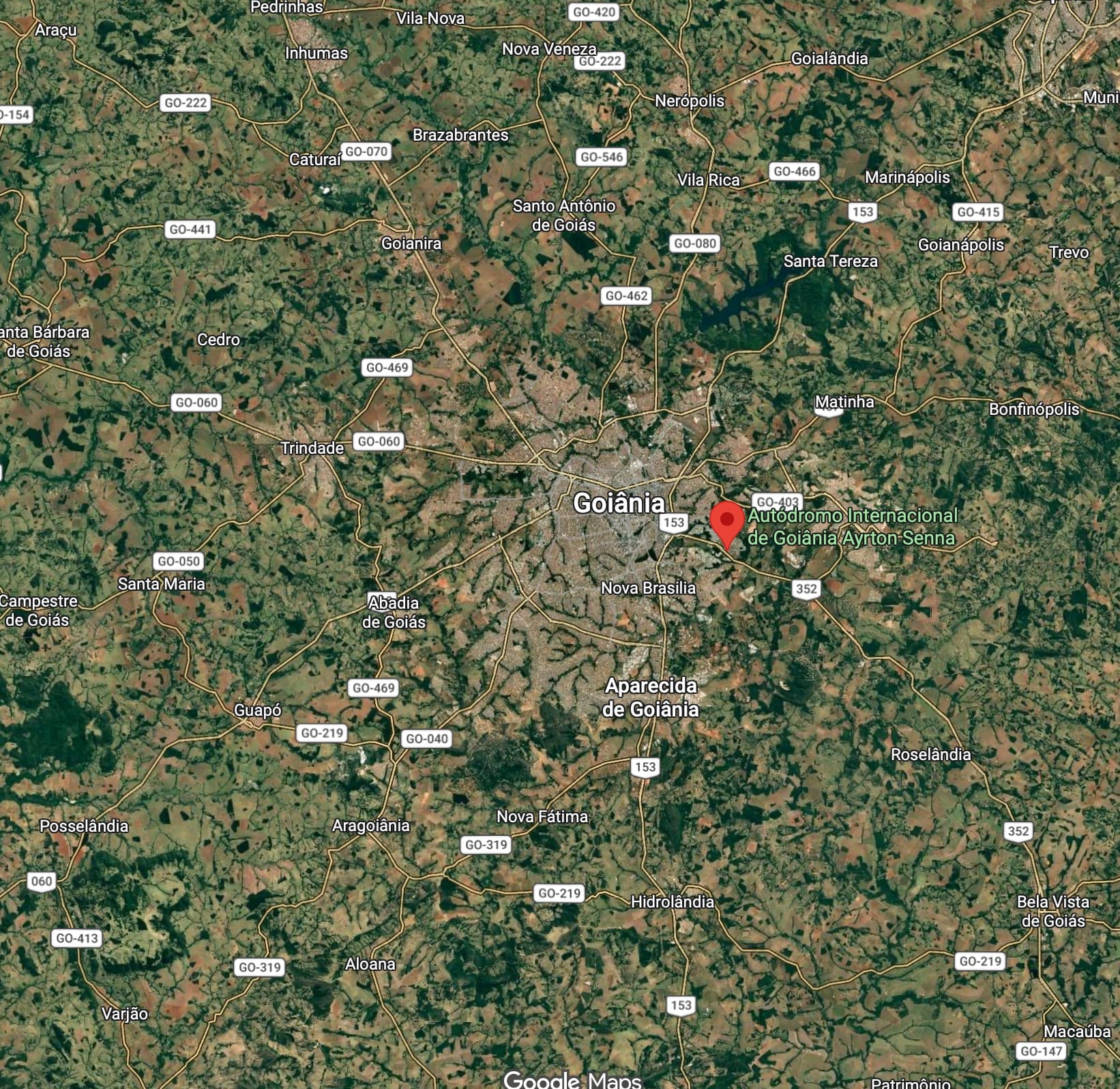
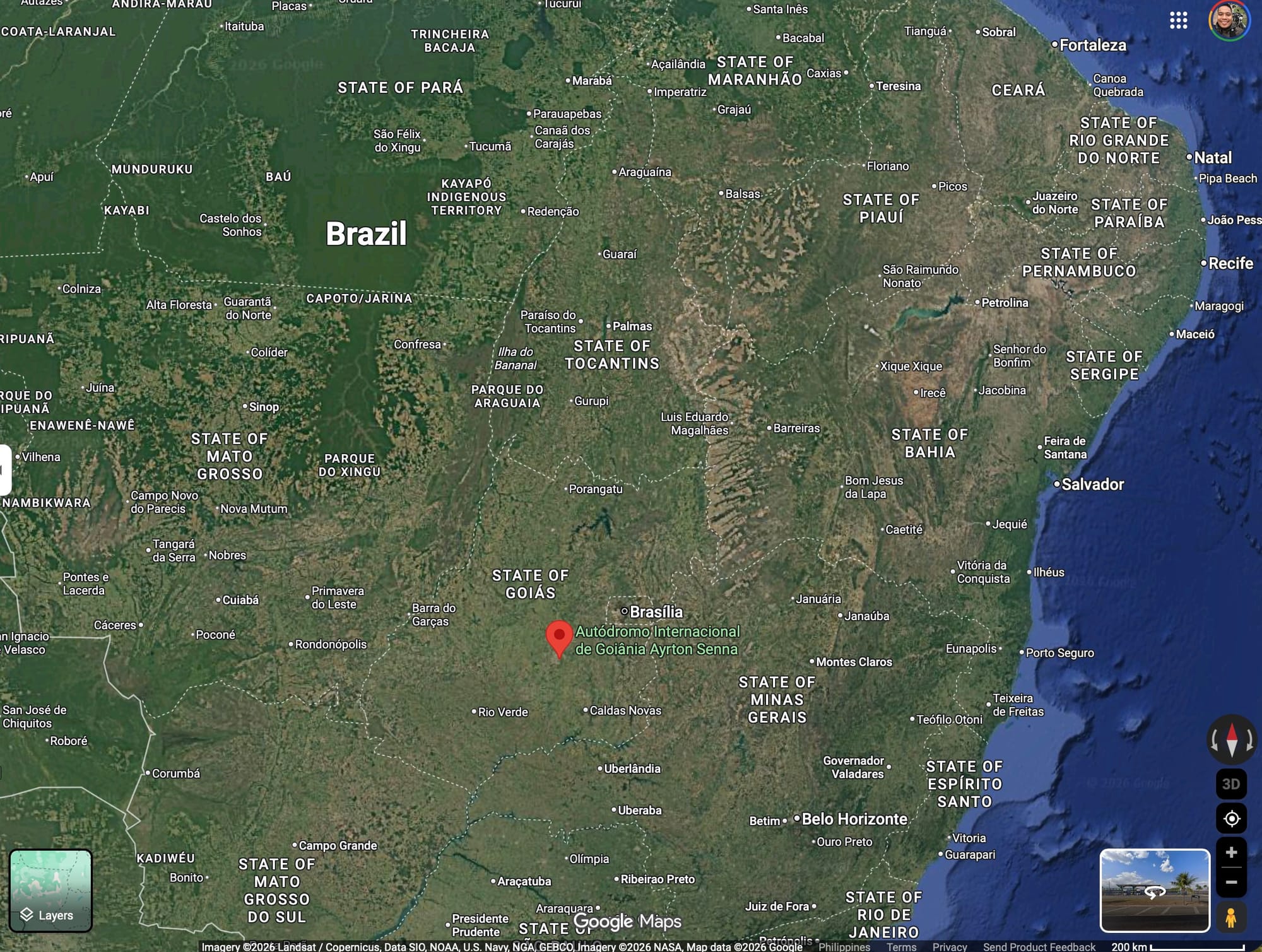
Is it really in the middle of nowhere?
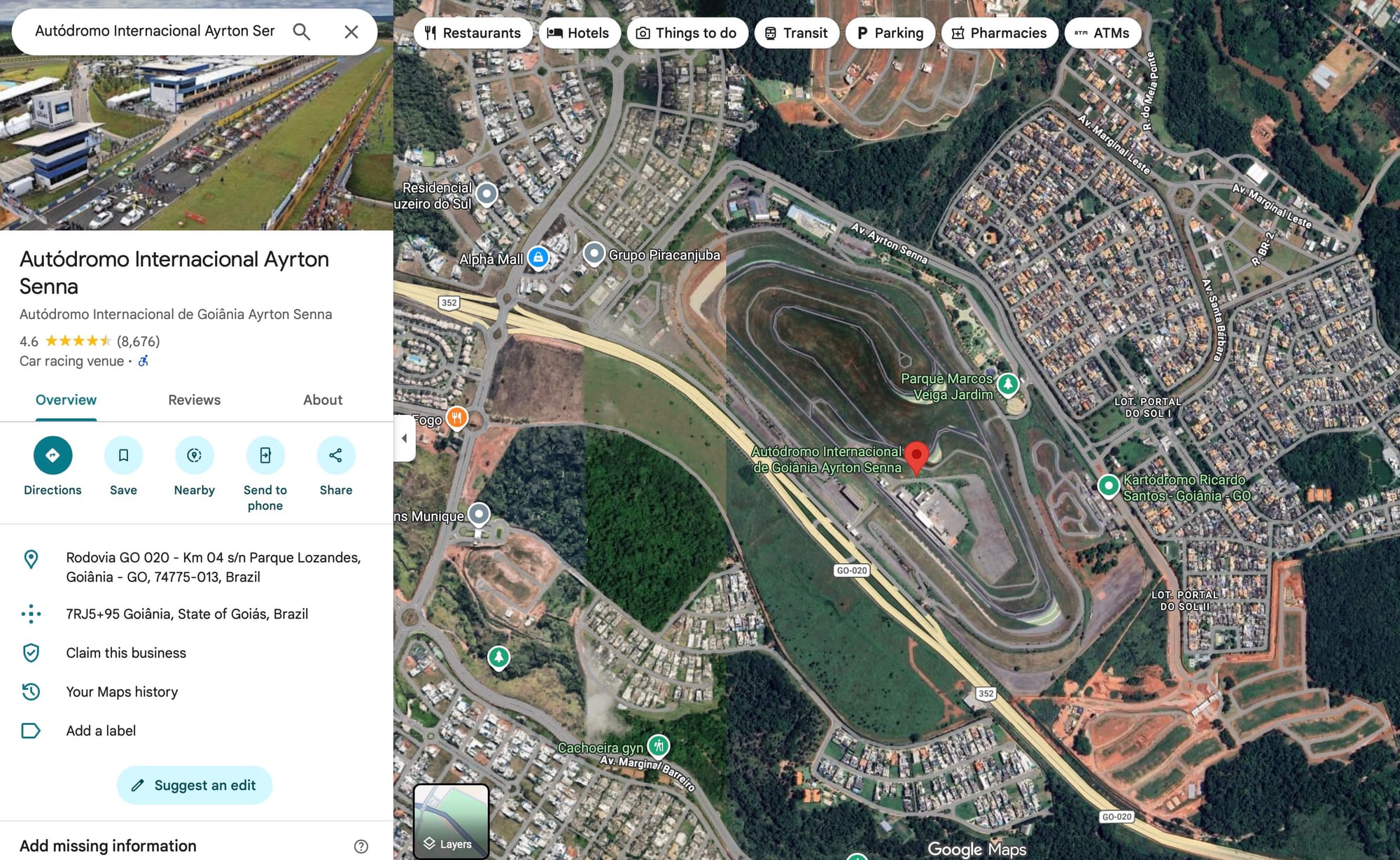
Geographically, yes. Logistically, no.
- The Location: It’s in the Cerrado (the Brazilian Savanna). You are 800km from the nearest ocean.
- The Airport: Surprisingly, the Santa Genoveva Airport (GYN) is just a 10-15 minute drive from the track.
- The Journey: From Europe, you’ll likely fly Madrid/Lisbon -> São Paulo -> Goiânia. It’s a 15+ hour odyssey.
What is the climate like—and does Goiânia have four seasons?
Goiânia does not have four distinct seasons like Europe or Japan. Instead, it operates on a tropical savanna climate (Köppen Aw) with two primary seasons:
Wet season (October–April)
- Hot, humid
- Frequent afternoon thunderstorms
Dry season (May–September)
- Lower humidity
- Cooler nights
- Dustier conditions
Typical temperatures:
- Daytime: 27–32°C
- Cool season lows: ~18°C
There is no snowfall in recorded history, and temperatures rarely drop below 15°C.
What are the expected race conditions this time of year?
A March race falls within the late wet season, meaning:
- Ambient temp: ~30°C
- Track temp: 45–55°C
- Weather pattern:
- Sunny mornings
- Cloud buildup
- Rain likely in mid-to-late afternoon
This creates conditions similar to:
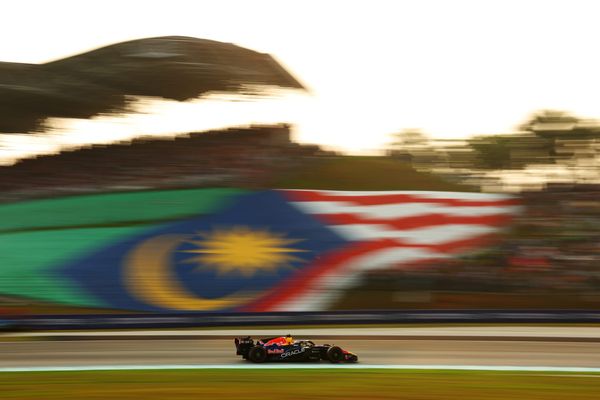
- Sepang (Malaysia)
- Buriram (Thailand, wet season)
Operational impact:
- High probability of session interruptions
- Rapid track evolution
- Complex tire strategy decisions
What is the elevation? And does it affect performance?
- Elevation: ~766 meters (2,500 ft)
This results in:
- ~7–8% lower air density vs sea level
- Slight engine power reduction
- Reduced aerodynamic drag
- Marginally improved tire thermal stability
It’s not extreme like Mexico City, but teams will still account for it in engine mapping and cooling strategies.
Is it safe? What about the robberies?
The "Interlagos Horror Stories" are famous in motorsport—Jenson Button was famously jumped by armed gunmen in 2010, and Mercedes crew members were robbed at gunpoint in 2017.
- Goiânia vs. São Paulo: Goiânia is generally considered less volatile than São Paulo, but the threat is real.
- The "Security Ring": For 2026, the Brazilian government has deployed a Specialized Motorized Task Force. There is a "sterile zone" 2km around the track where only credentialed vehicles can enter to prevent the "stoplight ambushes" seen at Interlagos.
Who to Watch: The Heavy Hitters and the Home Heroes
We are entering Round 2 of the 2026 season with a fascinating leaderboard. Here is the state of play for the Goiânia grid:
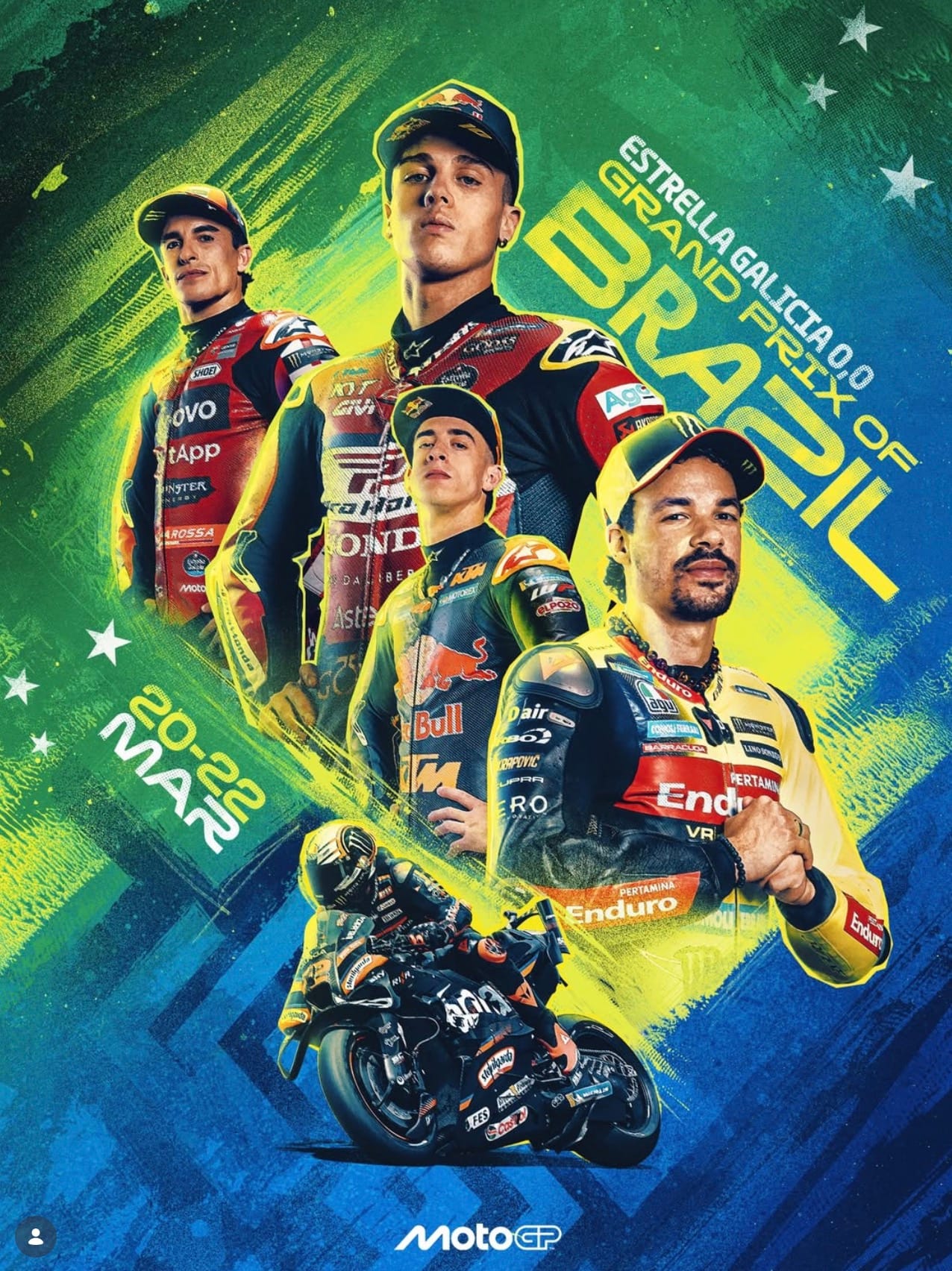
- Pedro Acosta (Red Bull KTM): The current championship leader (32 pts). After snatching his maiden Sprint win and a P2 on Sunday in Thailand, the "Shark" is proving that the KTM RC16 is a weapon on high-speed, flowing tracks. He’s the undisputed man to beat.
- Marco Bezzecchi (Aprilia Racing): Sitting in 2nd (25 pts). "Bez" was a "hat-trick hero" in Buriram, dominating the Grand Prix from flag to flag. His Aprilia RS-GP26 is built for the long, sweeping curves of Goiânia—expect him to be a massive threat in the technical infield.
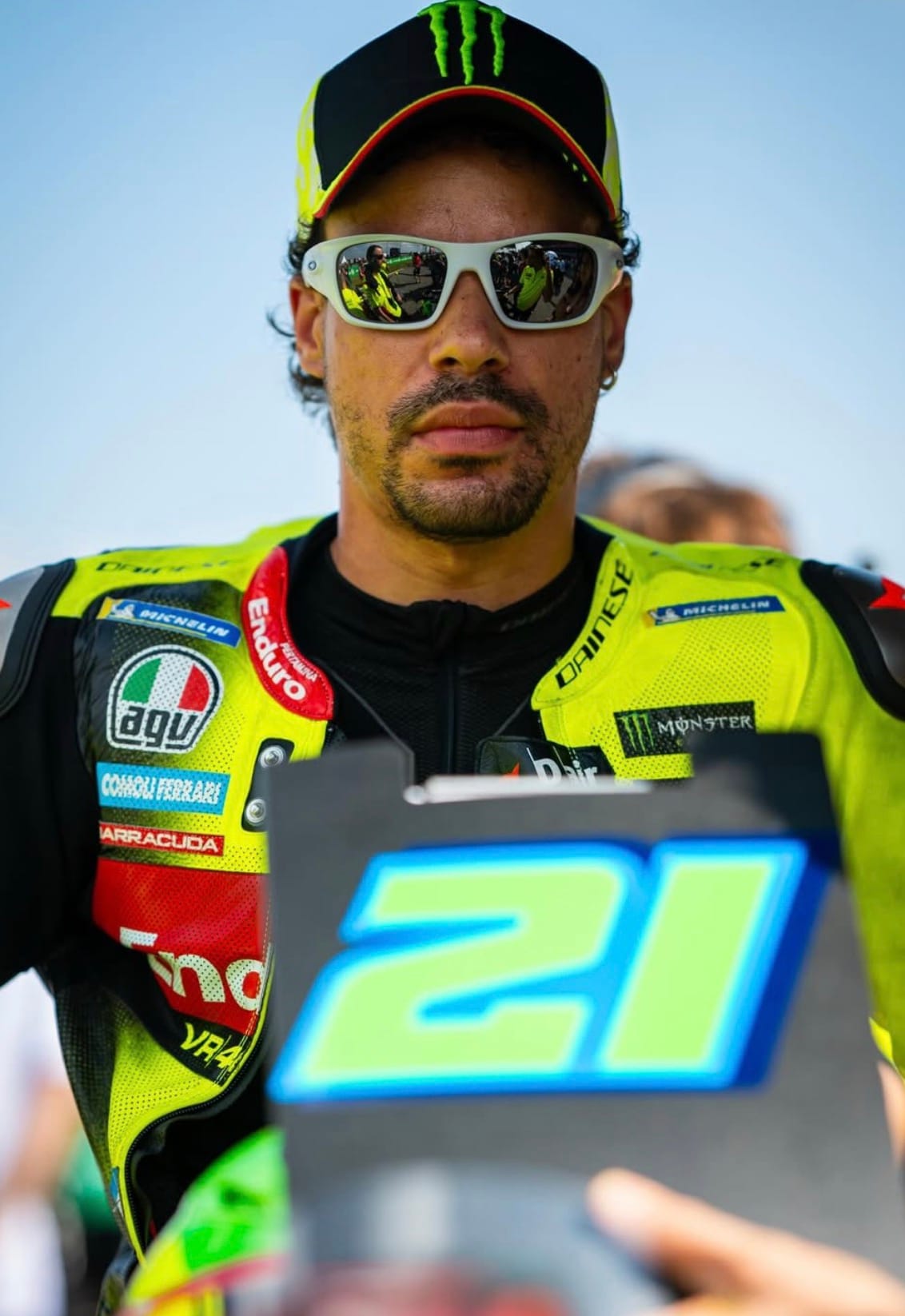
- Franco Morbidelli (Pertamina Enduro VR46): Keep a very close eye on "Franky." While he races under the Italian flag, he is half-Brazilian (born to a Brazilian mother, Cristina) and famously carries the green-and-gold flag on his helmet. Morbidelli has often described his riding style as a mix of "Italian rationality and Brazilian lightheartedness." After a solid P8 in the opener, the emotional boost of his "second home" race could propel the #21 back onto the podium.
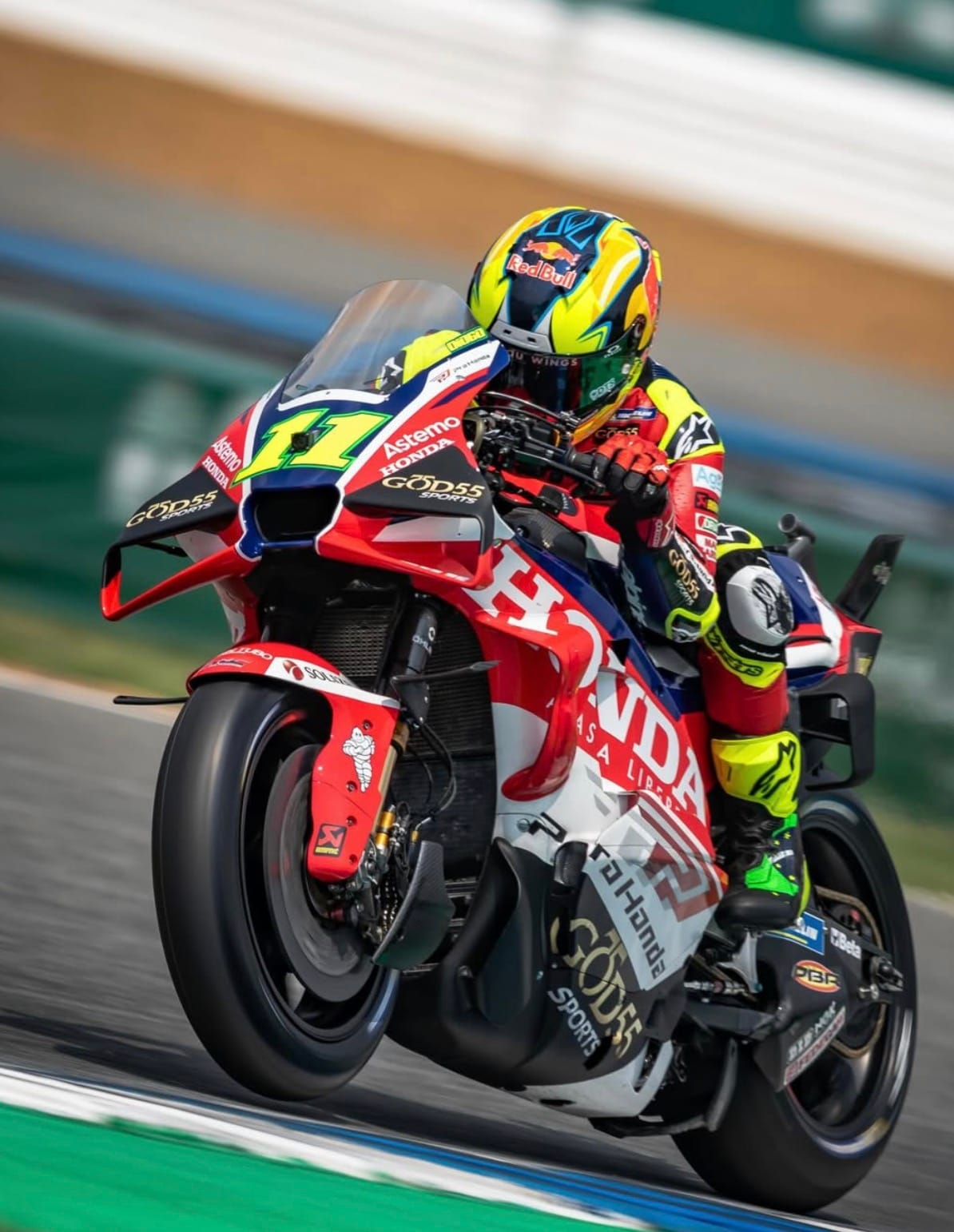
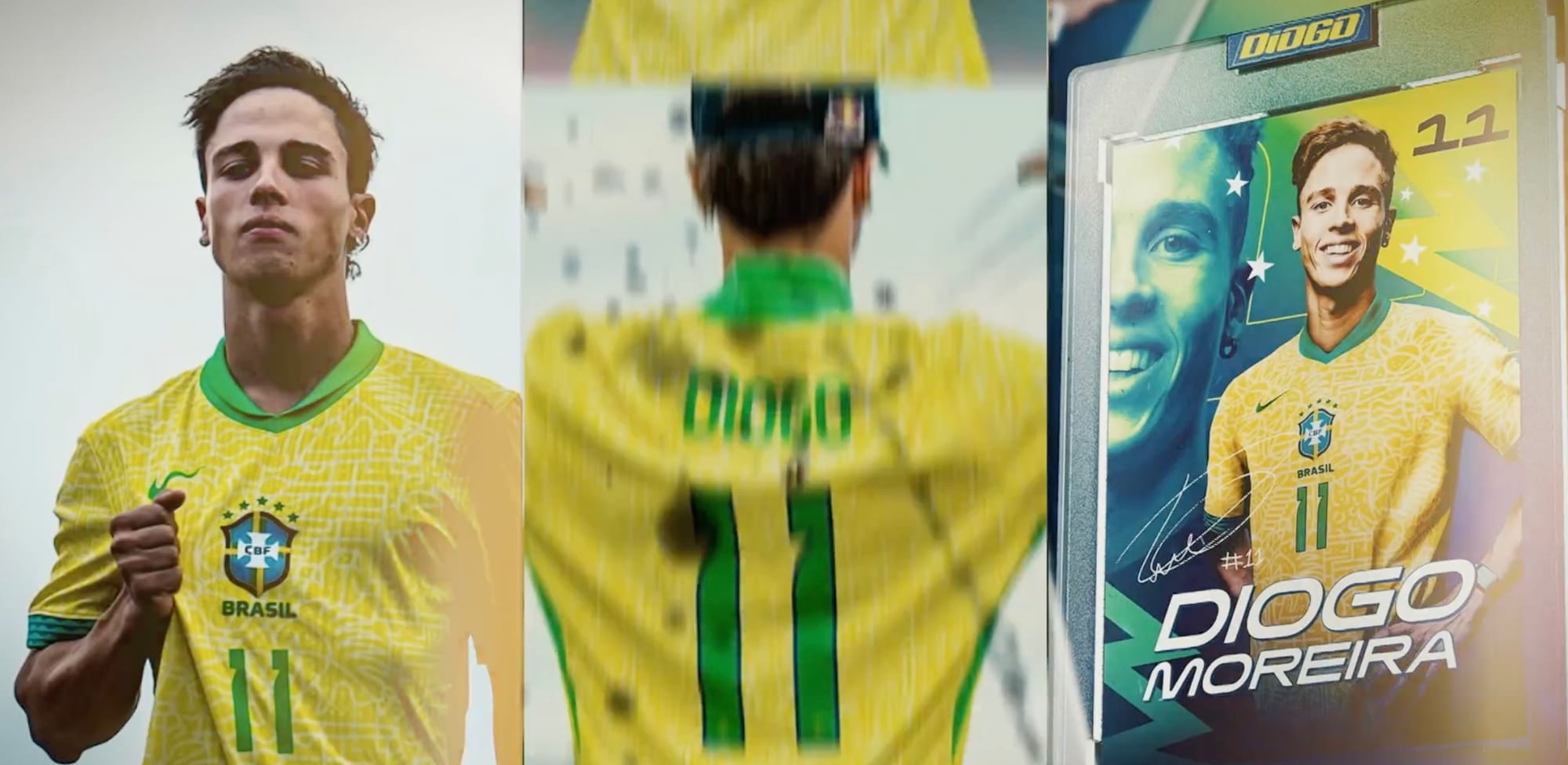
- Diogo Moreira (Pro Honda LCR): The local favorite. As the first full-time Brazilian in the premier class since the legendary Alex Barros, Moreira is the reason the grandstands will be a sea of yellow and green. He scored his first MotoGP points in Thailand (P13) and will be looking to break into the top 10 on home soil.
- Raul Fernandez (Trackhouse Aprilia): Currently 3rd in the standings (23 pts). The Trackhouse rider looks revitalized in 2026 and was part of the fierce podium battle in Buriram until the final lap.
Goiânia GP Schedule
Don't miss a second of the action. Here is when to tune in from your place:
| Session | Local Brazil (BRT -3) | Europe (CET +1) | Philippines (PHT +8) |
| Friday Practice 1 | 11:05 AM | 3:05 PM | 10:05 PM |
| Friday Practice | 3:20 PM | 7:20 PM | 2:20 AM (Sat) |
| Saturday FP2 | 10:10 AM | 2:10 PM | 9:10 PM |
| Qualifying (Q1 & Q2) | 10:50 AM | 2:50 PM | 9:50 PM |
| Tissot Sprint | 3:00 PM | 7:00 PM | 2:00 AM (Sun) |
| MotoGP Race | 3:00 PM | 7:00 PM | 2:00 AM (Mon) |