New player Voltai wants two-wheel fleets to make the swap to EV in PH

NEW TWO-WHEEL EV PLAYER 🔋 Voltai's EV Battery Swap Debut: Aboitiz's Bold Bet After Gogoro's Swift Philippine Exit
By News Moto Staff / October 22, 2025 / Pasig City
In the shadow of a recent high-profile EV flop, Aboitiz Power-backed startup Voltai rolled out its AP01 electric scooter and a "first-of-its-scale" battery-swapping network today at a Cleanfuel station in Pasig City. Targeting fleet operators in delivery, logistics, and ride-hailing, the pitch is all about ditching petrol woes for quick-swap efficiency. But with the ghosts of Gogoro's 2025 market withdrawal still lingering, skeptics—like us—can't shake the déjà vu. Is Voltai's B2B model the fix that eluded its predecessor, or just another conglomerate-fueled hype cycle destined for idle charging docks?
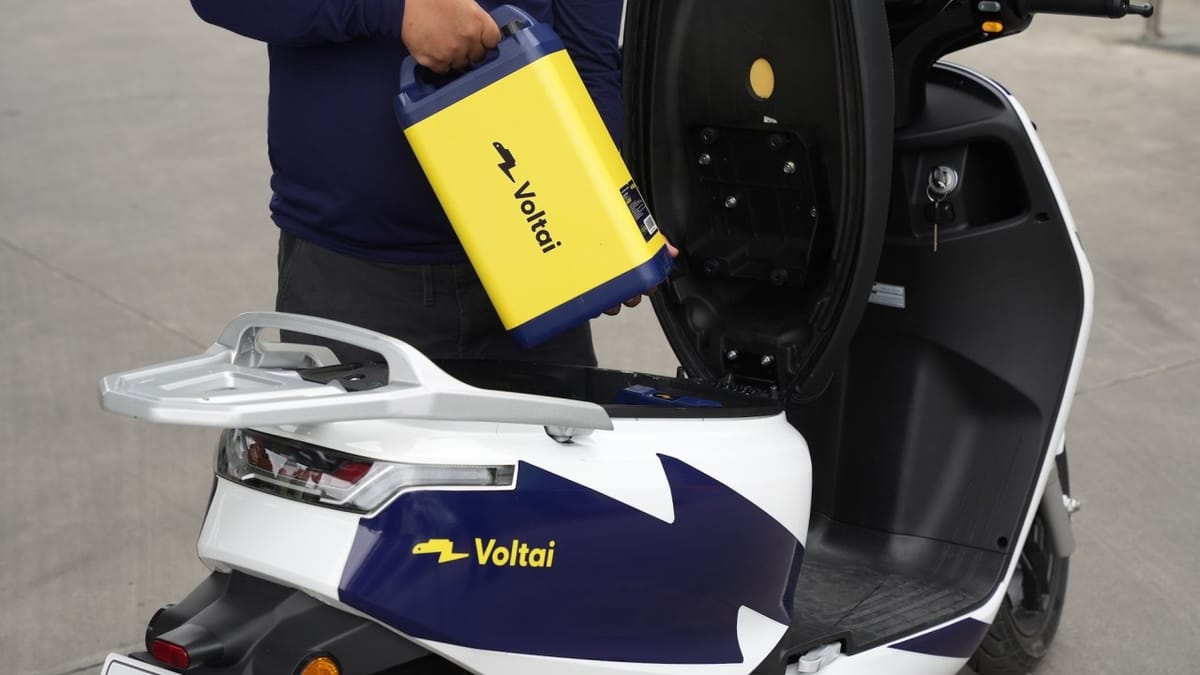
The event drew industry players, including Philippine Electric Vehicle Manufacturers Association (PEMAP) President Alma Rias, for test rides on the 2kW AP01—certified safe by the DOE, PDEA, and DTI, and "designed for Philippine roads." Guests tracked real-time battery stats via a Google Maps-linked app and swapped depleted packs in under a minute, a far cry from the multi-hour plug-in grind. Voltai's leasing setup promises fixed fees for scooters and batteries, shielding fleets from fuel spikes and cutting maintenance by up to 70%, per CEO Fazlur Abdul Rahman.
Voltai AP01 Base Motorcycle
Based on a thorough search across web sources, the official Voltai website (voltai.ph), social media (X/Twitter), and image databases, there is no publicly available information confirming the exact OEM or base model for this Voltai AP01 electric scooter as of its launch on October, 2025. The product is too new for detailed teardowns, supply chain disclosures, or third-party analyses to have surfaced.
The AP01's design echoes common Chinese templates: Modular battery bay for swaps (similar to Gogoro-inspired or Niu N-series clones), hub motors, and ABS-like plastics. Battery-swapping compatibility suggests adaptation from existing Chinese swappable-battery platforms (e.g., Yadea's G5 or generic 60V lithium packs).
Voltai's parent (1882 Energy Ventures under Aboitiz Power) focuses on energy tech, not vehicle assembly. Startups like this typically partner with Chinese firms for cost-effective production (e.g., CKD kits shipped for local branding), avoiding high R&D costs.
Still in pilot mode
Voltai has 15 swapping stations live at Cleanfuel sites and MyTown dorms, with Metro Manila expansion eyed for 2026. "This is the first step toward smarter, cleaner fleet e-mobility," Rahman, also ideation head at Aboitiz's "1882 Energy Ventures", told the crowd. The startup, nestled under the century-old Aboitiz Power Corporation—a powerhouse generating over 4,000 MW and contributing 71% to parent Aboitiz Equity Ventures' income—aims to decarbonize transport without upfront sticker shock.

The timing couldn't be more pointed. Just yesterday, we dissected Hanoi's aggressive push to ban petrol motorcycles from its city center by mid-2026—a directive from July that's already sparking Japanese warnings of mass Honda layoffs. Vietnam's crackdown highlights Asia's EV urgency, (with Vinfast's EV domination agenda) but the Philippines? Our grid flickers, roads crumble while riders cling to P50/liter practical workhorses. Voltai's app-enabled swaps sound slick for 12-hour delivery shifts, yet 15 stations barely scratch Metro Manila's chaos.
Battery swapping with Voltai is easy and can be completed in seconds. "Designed for Philippine roads", their electric 2-wheel vehicles are "certified safe" by the DOE, PDEA and DTI
Enter the elephant: Gogoro.
The Taiwanese swap pioneer burst in with Ayala's 917Ventures in late 2022, touting smart scooters and a network that peaked at 15 stations. Backed by conglomerate muscle (Ayala at 21%, 917 at 49%), it promised urban green revolutions. Reality hit hard: Scooters priced over P200,000 flopped amid low adoption, leading to a full "unplug" in February 2025. Dismal sales and high costs left stations gathering dust, a cautionary tale of overhyping EVs in a price-sensitive market hooked on rugged, cheap petrol bikes.

Voltai, though, swears it's different—B2B leasing targets fleets, not fickle consumers, and Aboitiz's energy empire (from coal plants to renewables) lends credibility. Directors like Sandro and Carlos Aboitiz signal family buy-in, while 1882 Ventures focuses on "decentralized" green tech. The AP01's local-road tweaks and quick swaps could minimize downtime, and remote fleet tracking appeals to ops managers chasing ESG wins.
Yet doubt creeps in. Gogoro's B2B angle fizzled too—why bet fleets would leap when Grab and Lalamove drivers juggle multiple gas rigs? Infrastructure gaps persist: Blackouts could strand half-charged packs, and app reliance falters on spotty 4G. Aboitiz's pivot from fossil fuels smells like strategic greenwashing, especially as Voltai's full specs (range? Speed?) remain light on details beyond the pilot glow.
As Hanoi revs up bans, Voltai's launch nods to regional tides—but the Philippines lags, sans mandates. Aboitiz has the war chest where Ayala bailed, yet history screams: Conglomerates ignite EV sparks, but without mass incentives, they fizzle. We'll track those swaps like hawks. Swap now, or wait for the next bust? Sound off in the comments.