Intro to Dakar Rally for beginners: Stages, Road Book and Categories.
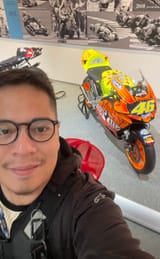
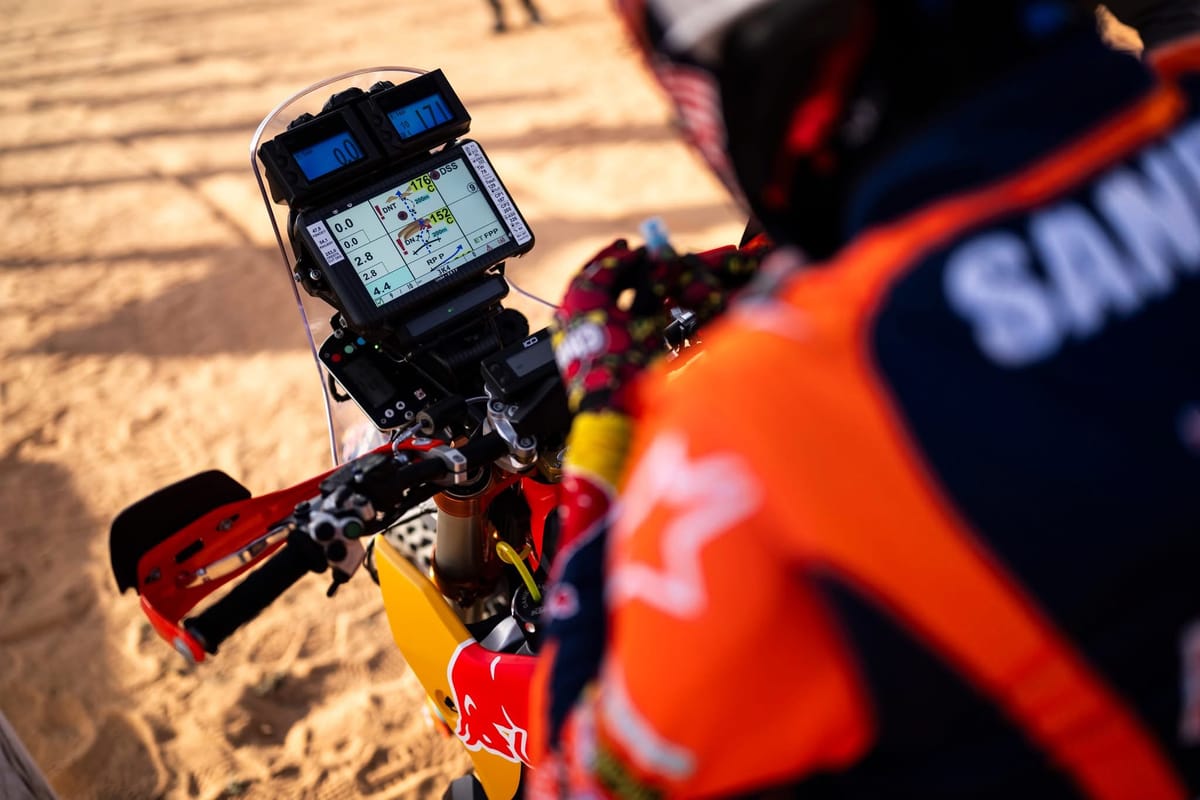
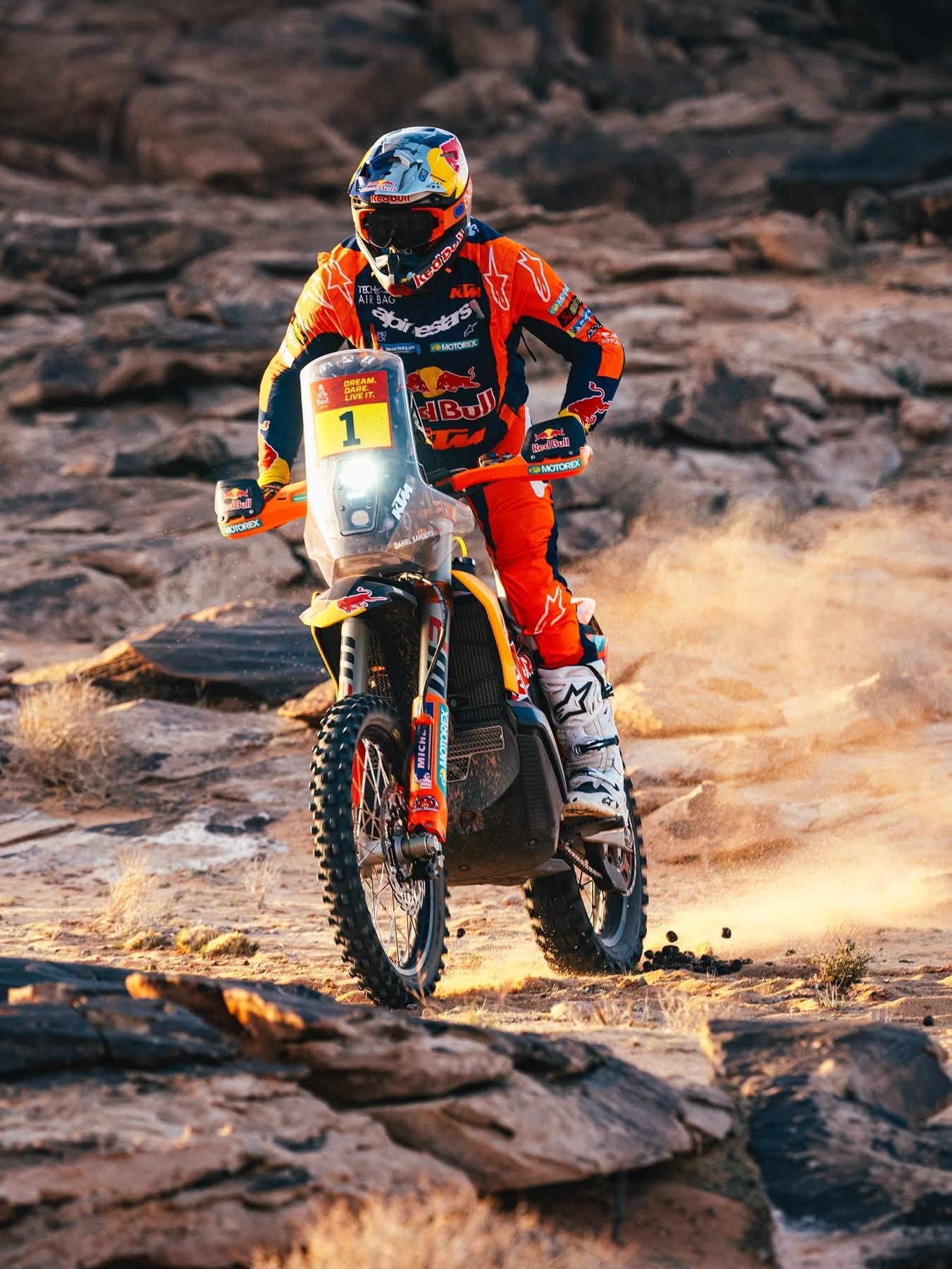
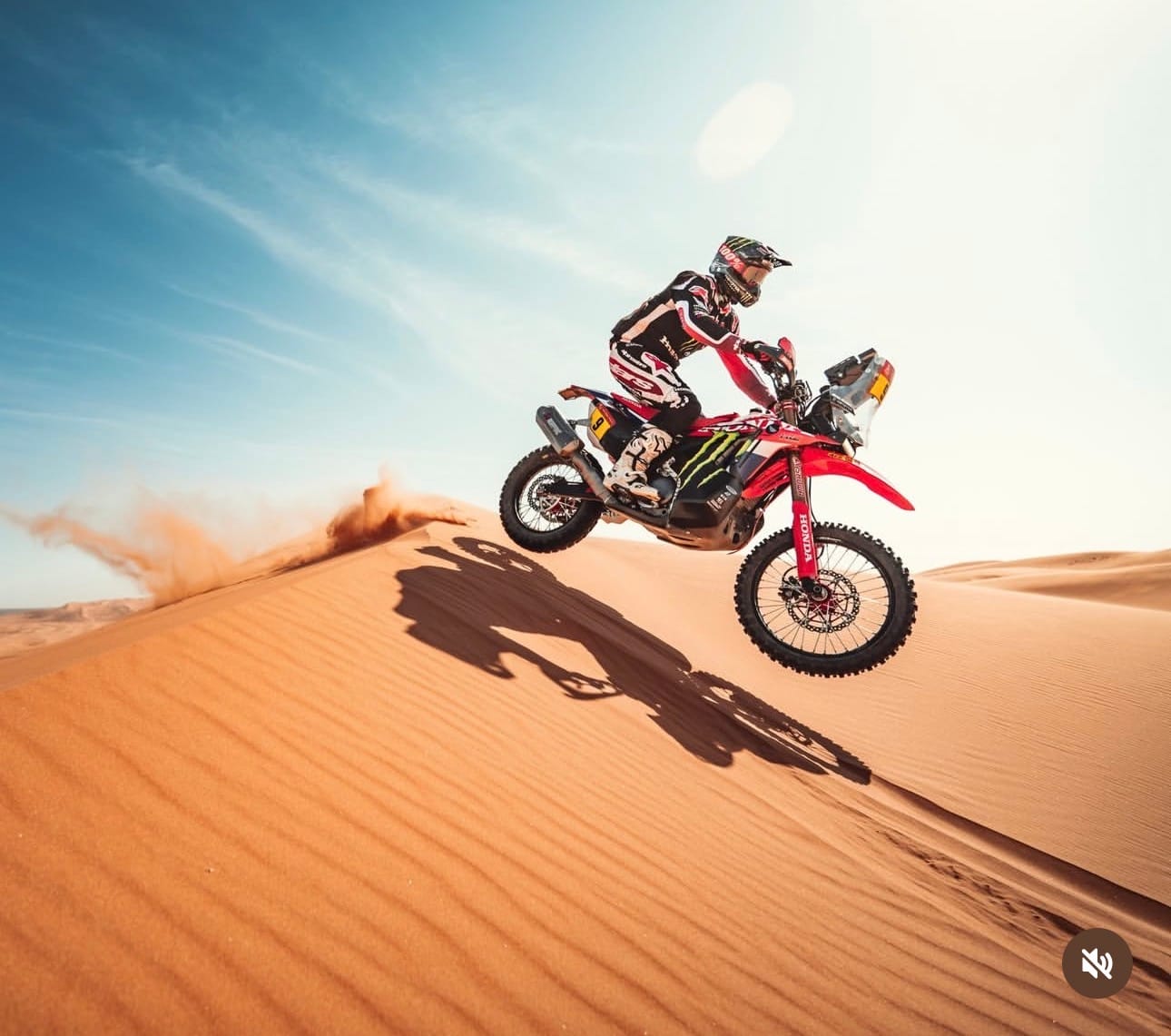
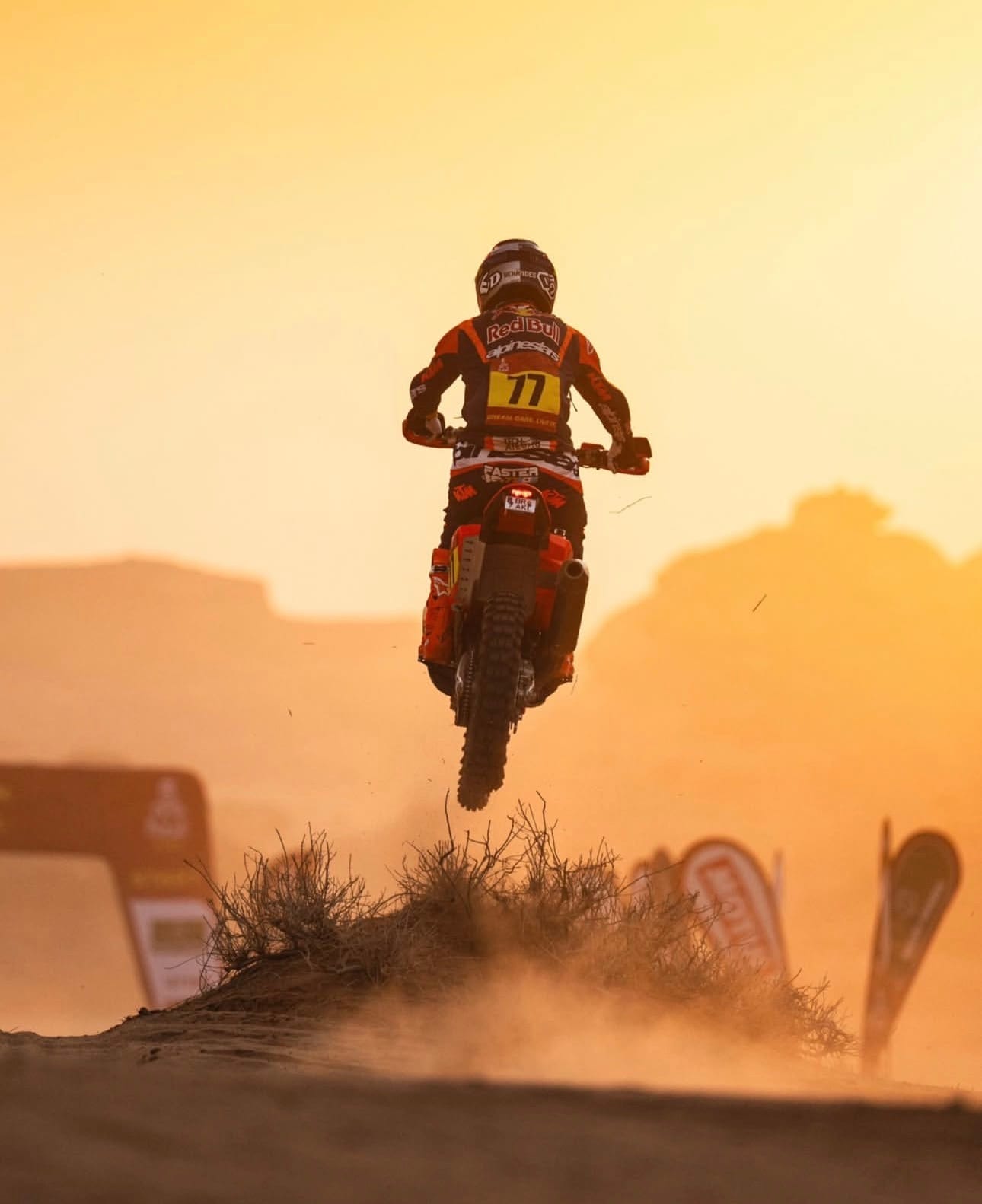
The Dakar Rally is roaring through Saudi Arabia right now—the 48th edition (January 3–17, 2026) is past the halfway mark after Stage 6, with riders still grinding through massive dunes, rocky plateaus, and brutal navigation. As of January 10, Daniel Sanders (Red Bull KTM Factory Racing) and leads the motorcycle overall standings with a cumulative time around 24h 41’ 00’’, holding a slim edge (under a minute after penalties) over team mate Edgar Canet and Ricky Brabec (Monster Energy Honda HRC), who’s closed the gap dramatically with strong recent stages. Factory Honda vs KTM on top!
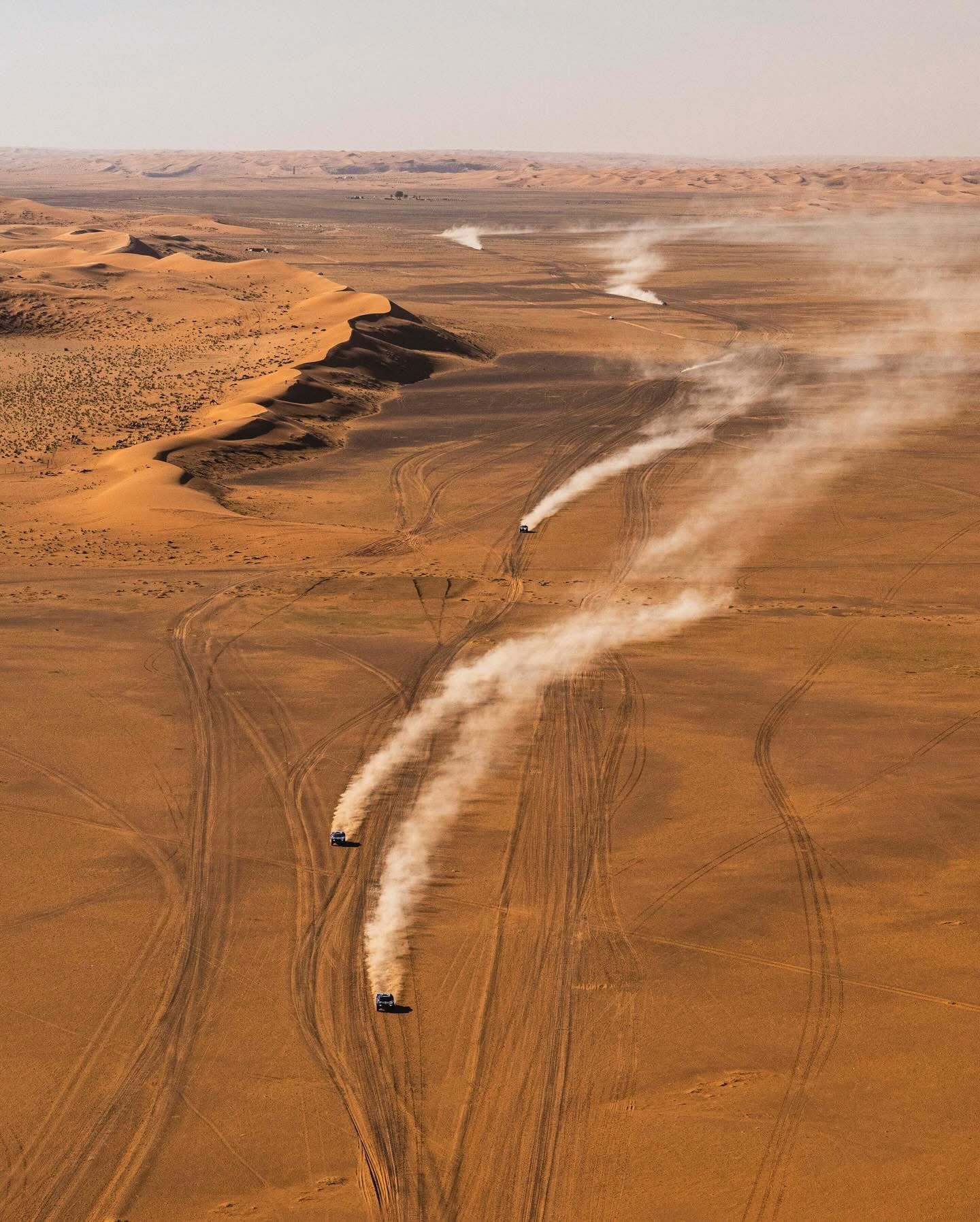
The Dakar Rally is technically a Rally Raid race. Geeking out over the latest adventure bikes, the Dakar Rally is a wild 8,000+ km of untamed desert, no fixed circuits, zero room for error, and survival as the ultimate goal. It’s endurance racing at its most brutal. Navigation, mechanical grit, and sheer willpower over two weeks of hell.
Short History
Born in 1978 as the Paris-Dakar, conceived by Thierry Sabine after getting lost in the Libyan desert, turning mishap into legend. In the 90s and early 2000s, it was pure Mad Max magic: bikes plastered in cigarette ads (Camel, Lucky Strike, Rothmans), looking badass and untouchable. Many of us first saw it in magazines like Cycle World pages or ESPN/Star Sports clips.
It shifted to South America in 2009 after security threats (terror risks) forced cancellation of the 2008 Africa run. It landed in Saudi Arabia from 2020 onward for vast new deserts, better logistics, and a stable long-term home—now in year seven, with a fresh Yanbu start/finish for 2026.
What Is the Dakar Rally? (Crash Course / Dummies Guide
- Format: multi-day rally-raid. Daily mix of:
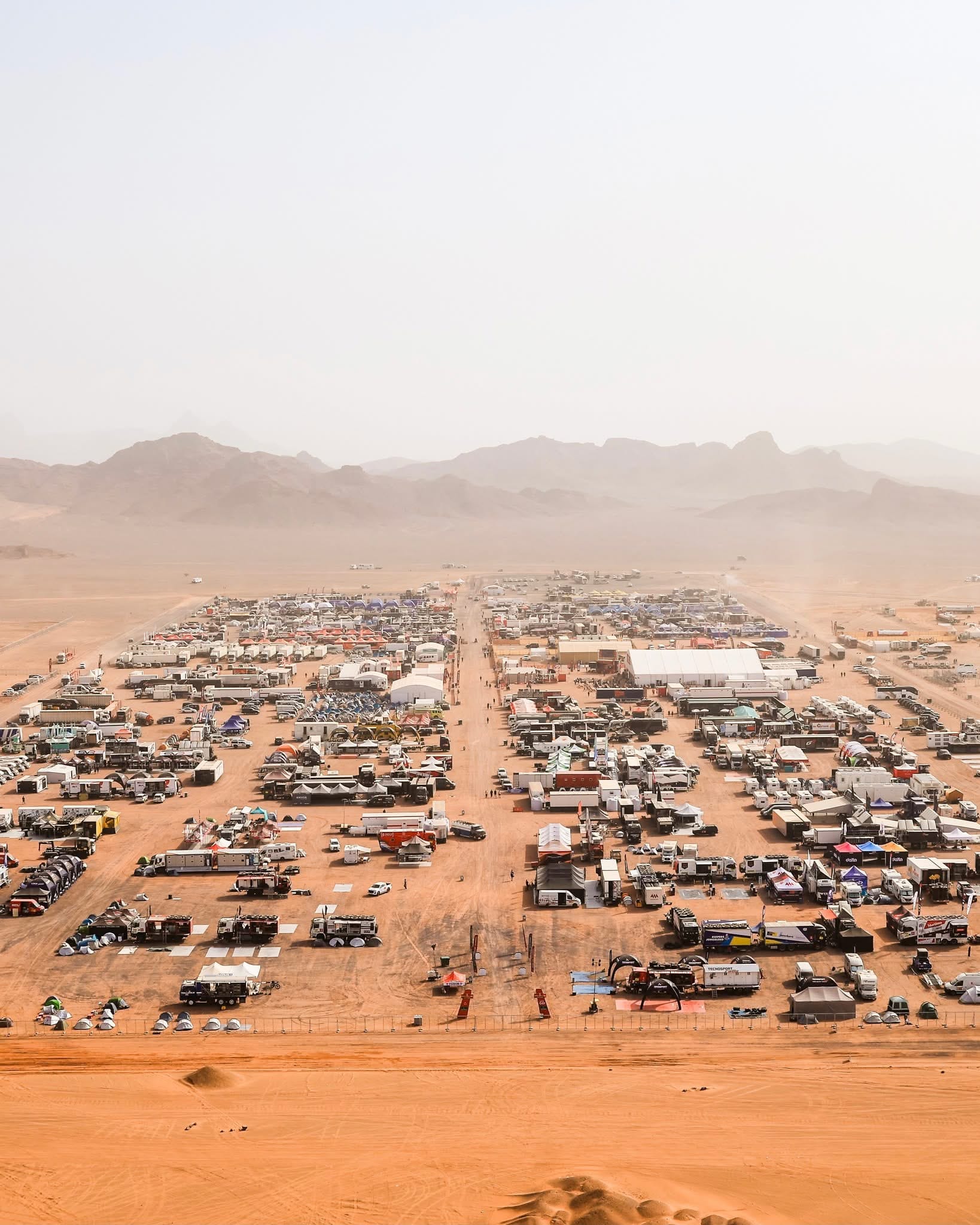
- Liaison stages: road transfers to/from the bivouac (camp).
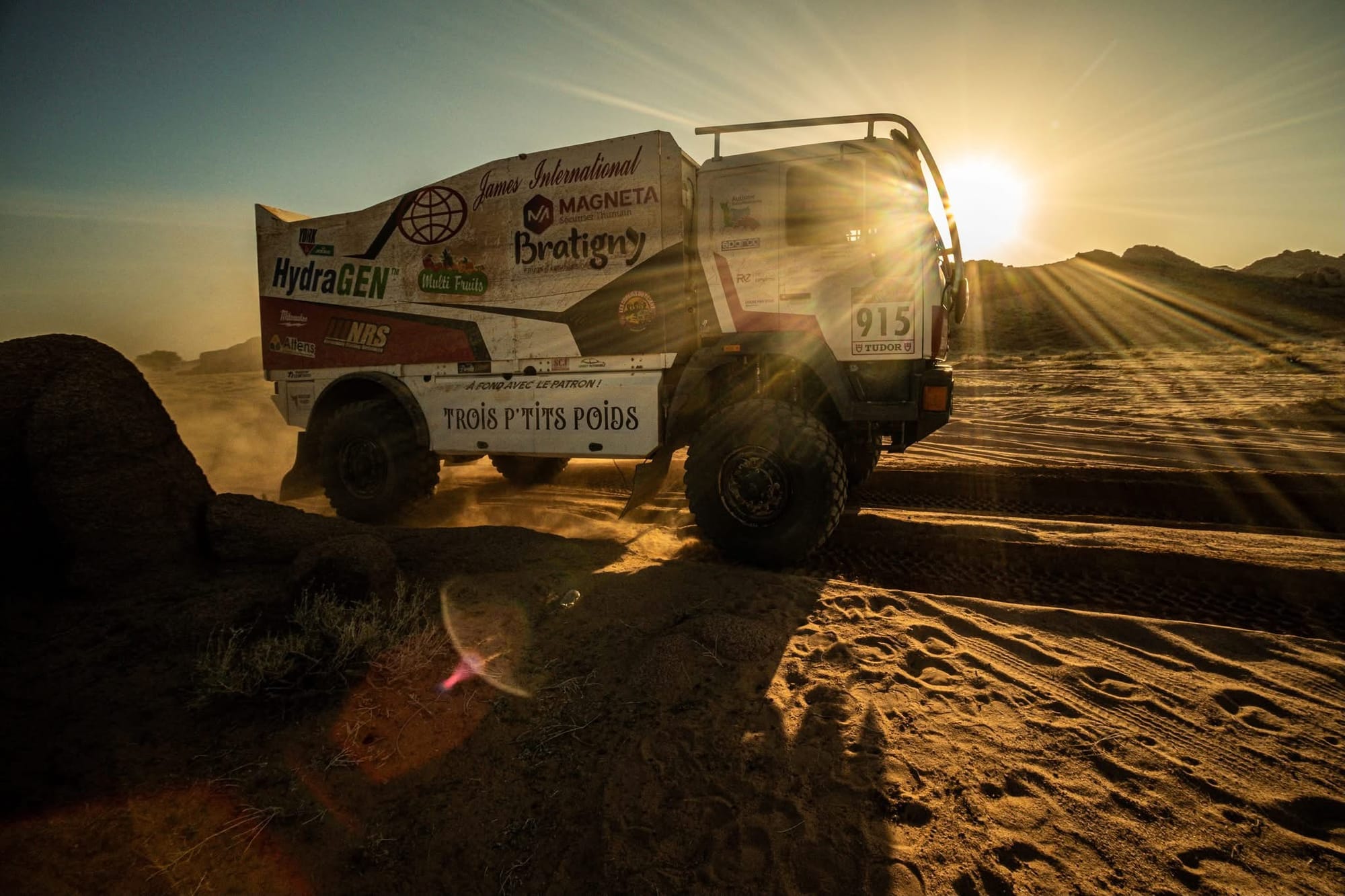
- Special stages: Timed off-road sections (300–500+ km). Dunes, rocks, canyons and navigation test.
- Bike Categories (Motorcycle Focus)
- RallyGP: Pro factory (KTM, Honda, Hero, Husqvarna).
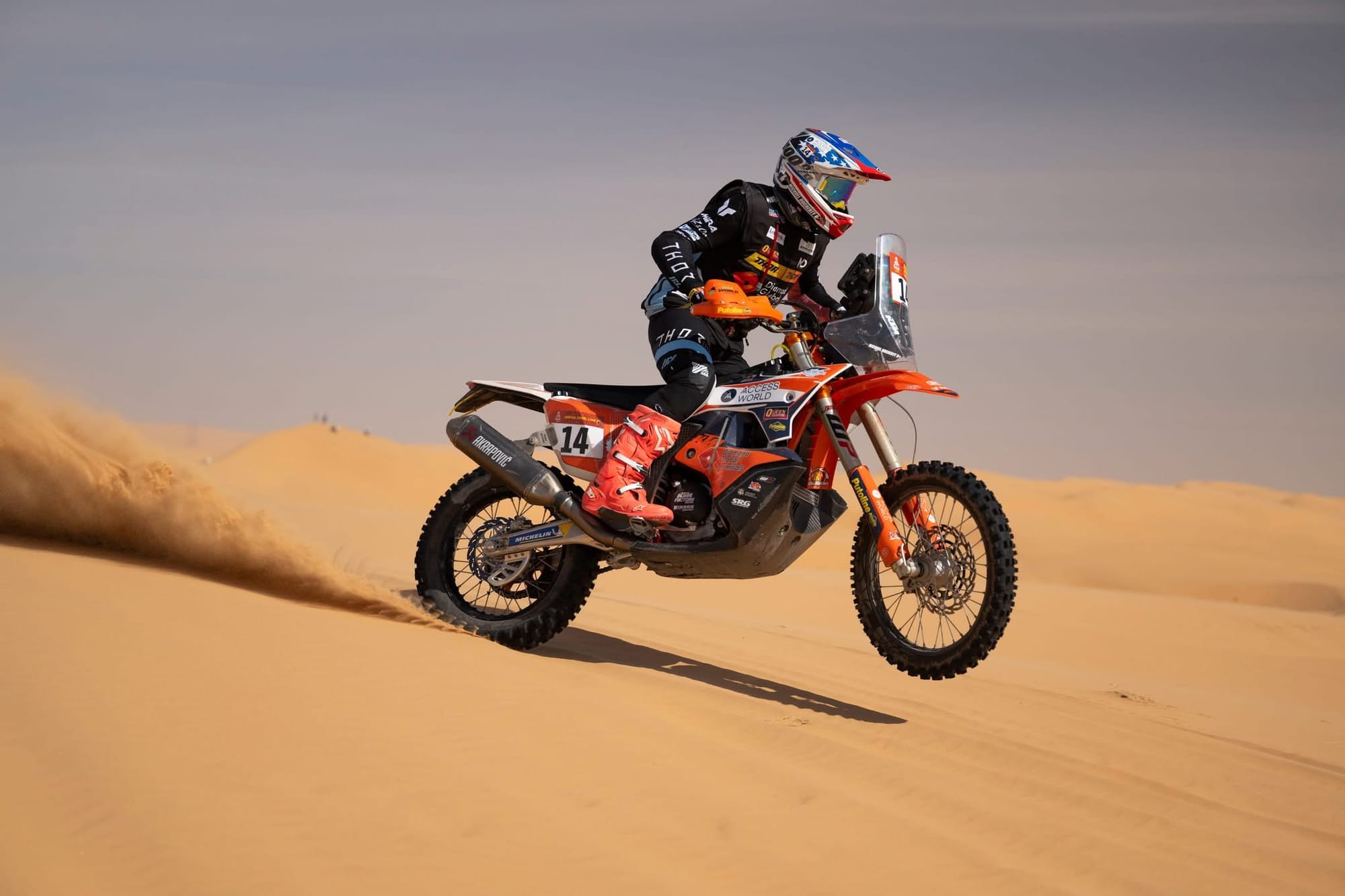
- Rally2: Privateers/semi-pros on similar 450cc rally bikes but less support.
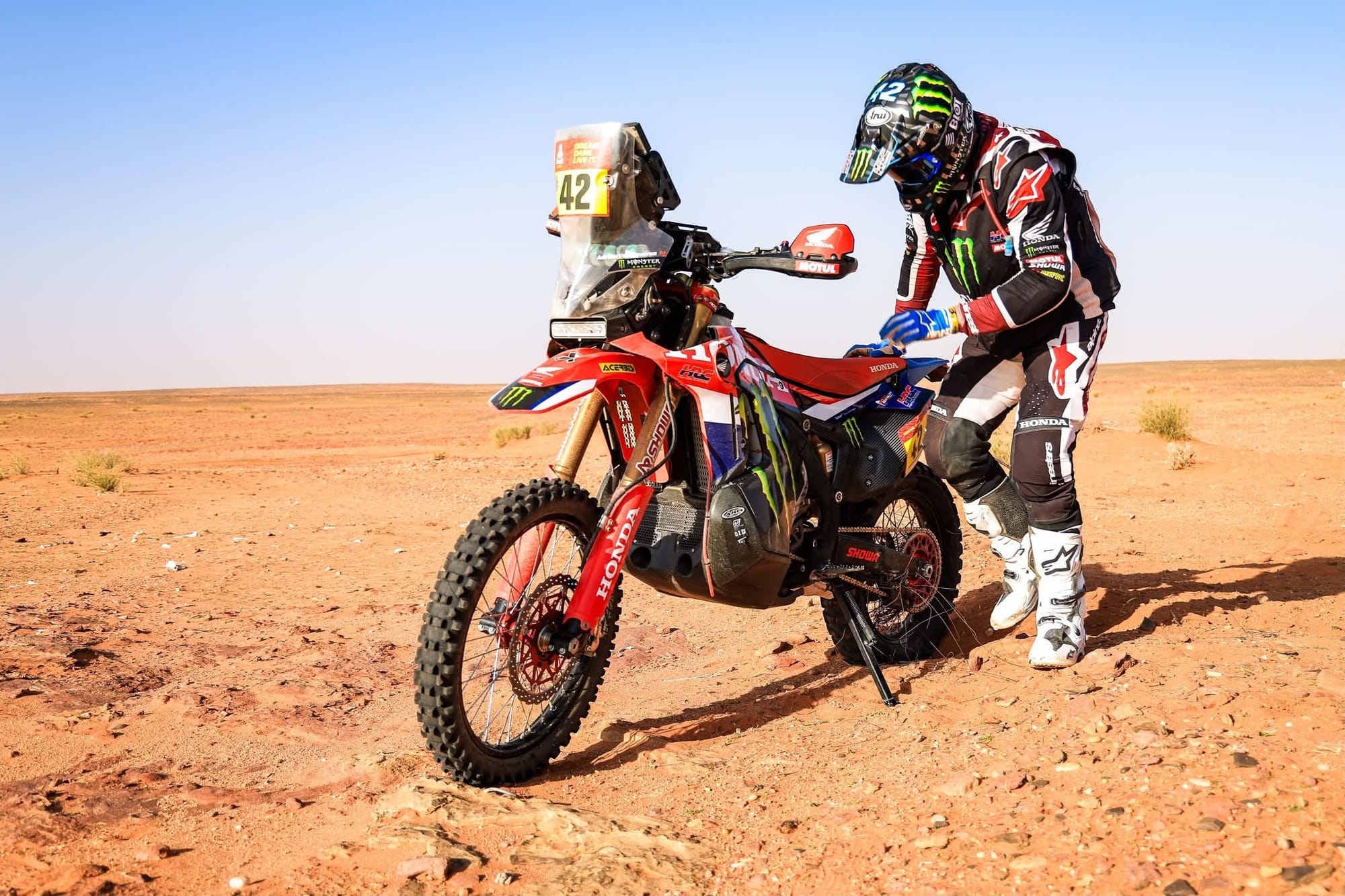
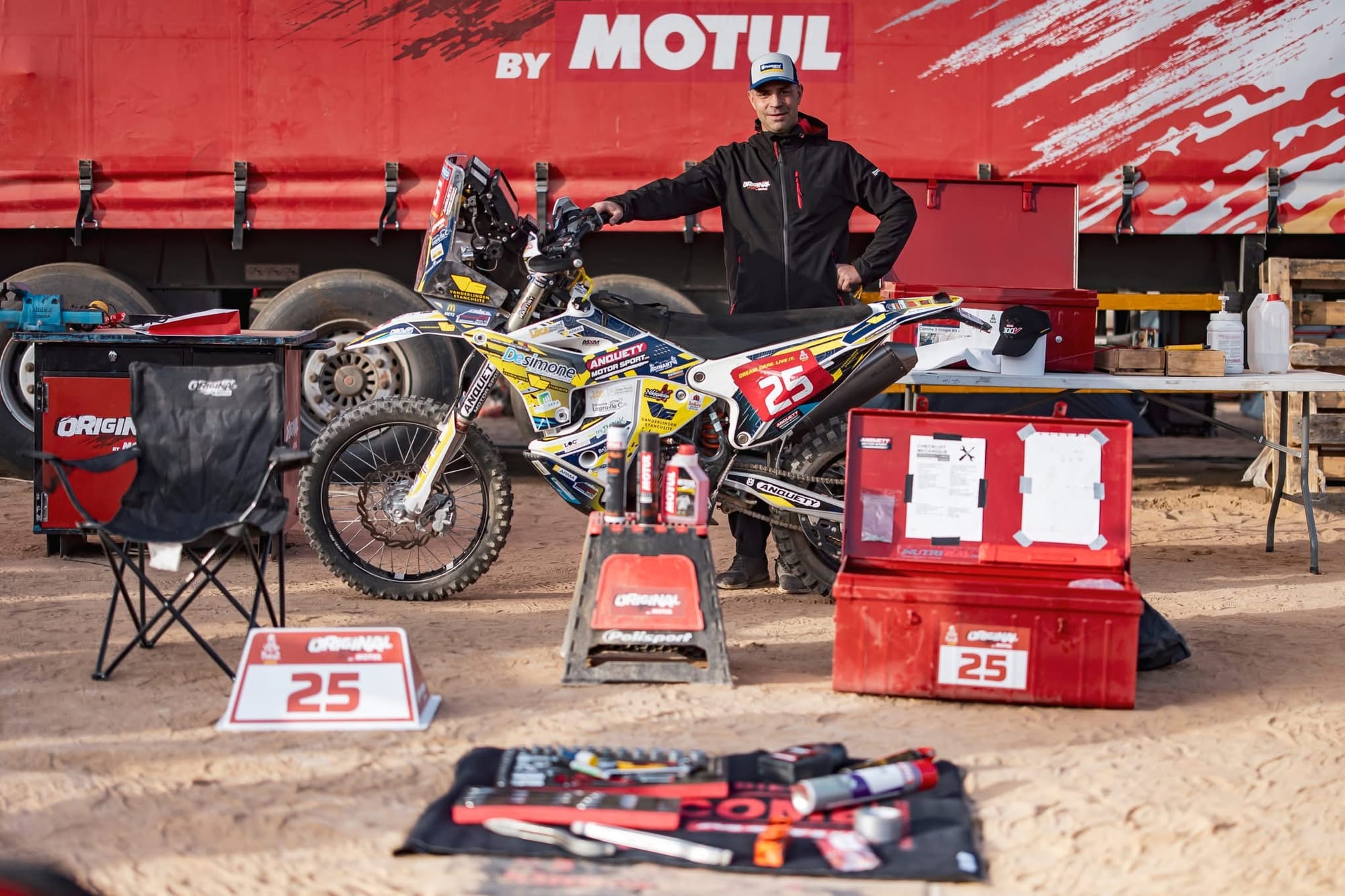
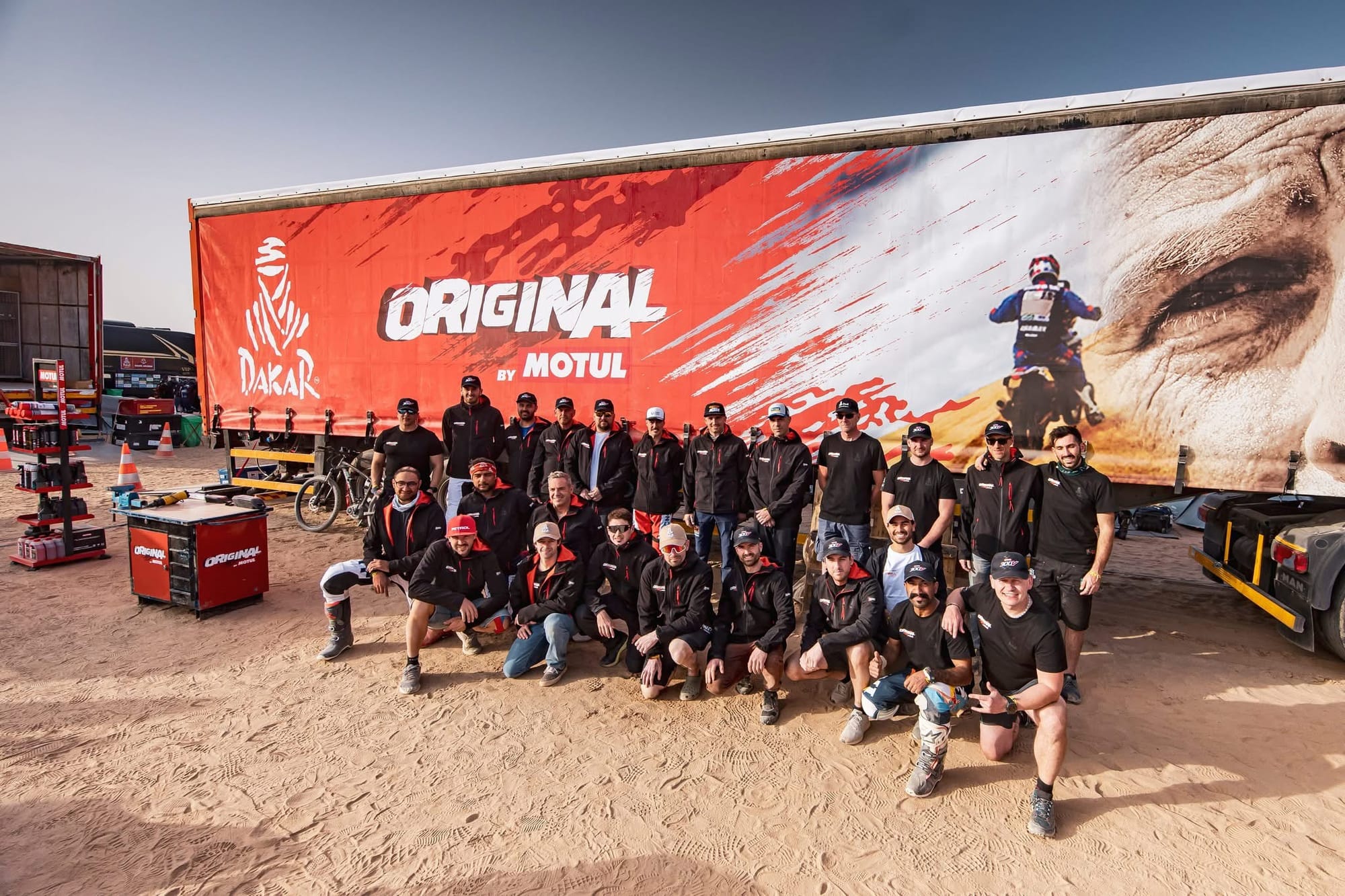
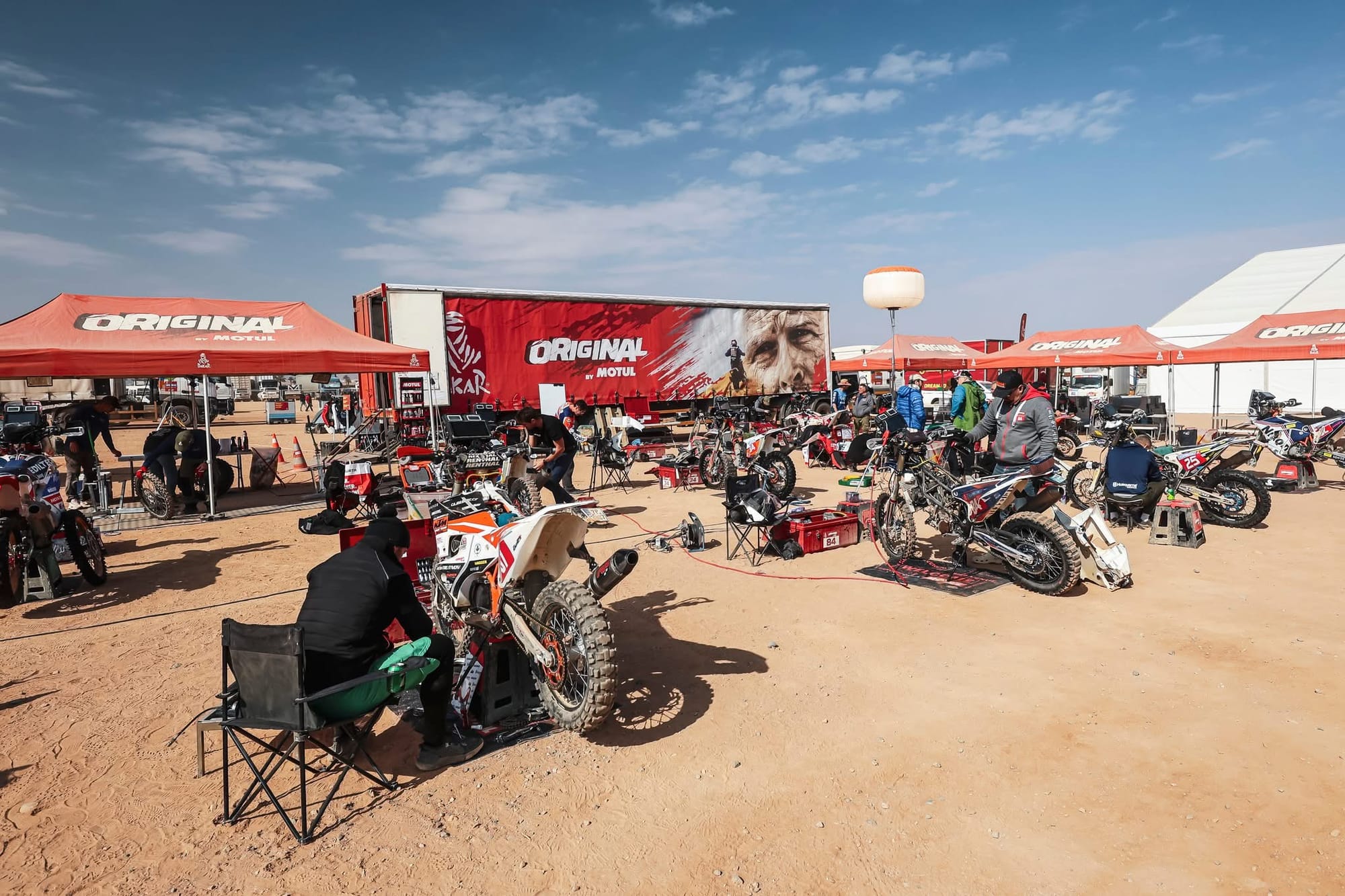
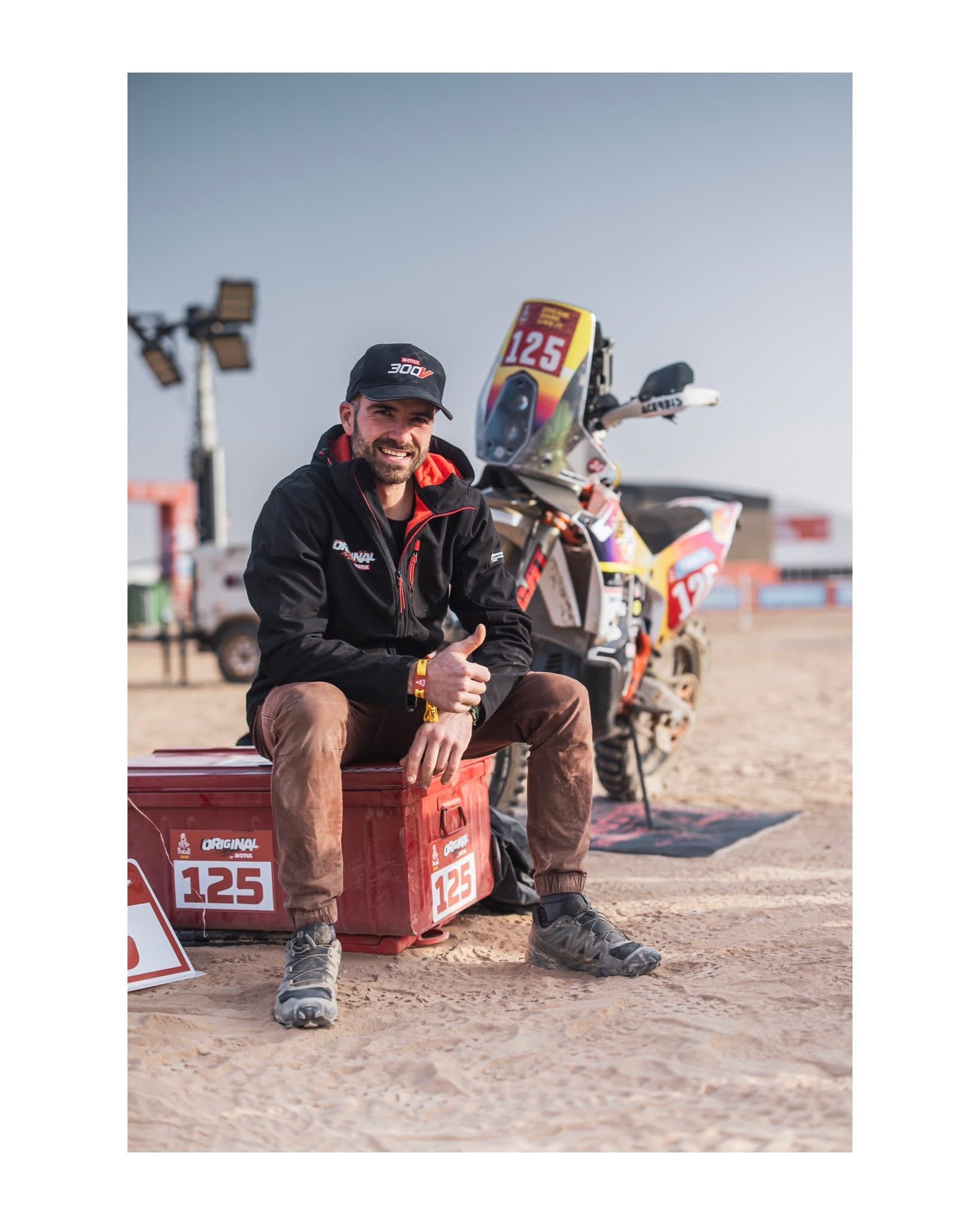
- Original by Motul: Hardcore no-assistance class: riders wrench their own bikes, carry spares, sleep rough. Mostly privateers. Majority of the field.
Why Dakar Motorcycles Are Limited to 450cc Singles (Mostly)
Modern Dakar rally bikes are capped at 450cc four-stroke engines (single or twin-cylinder allowed under current FIM/ASO rules since 2011), a regulation introduced primarily for safety. In the early 2000s, powerful larger-displacement machines (often twins or bigger singles) were hitting dangerously high speeds on open desert sections, contributing to serious accidents and fatalities. The shift to 450cc slowed top speeds while preserving the need for rider skill, mechanical reliability, and endurance over raw power.
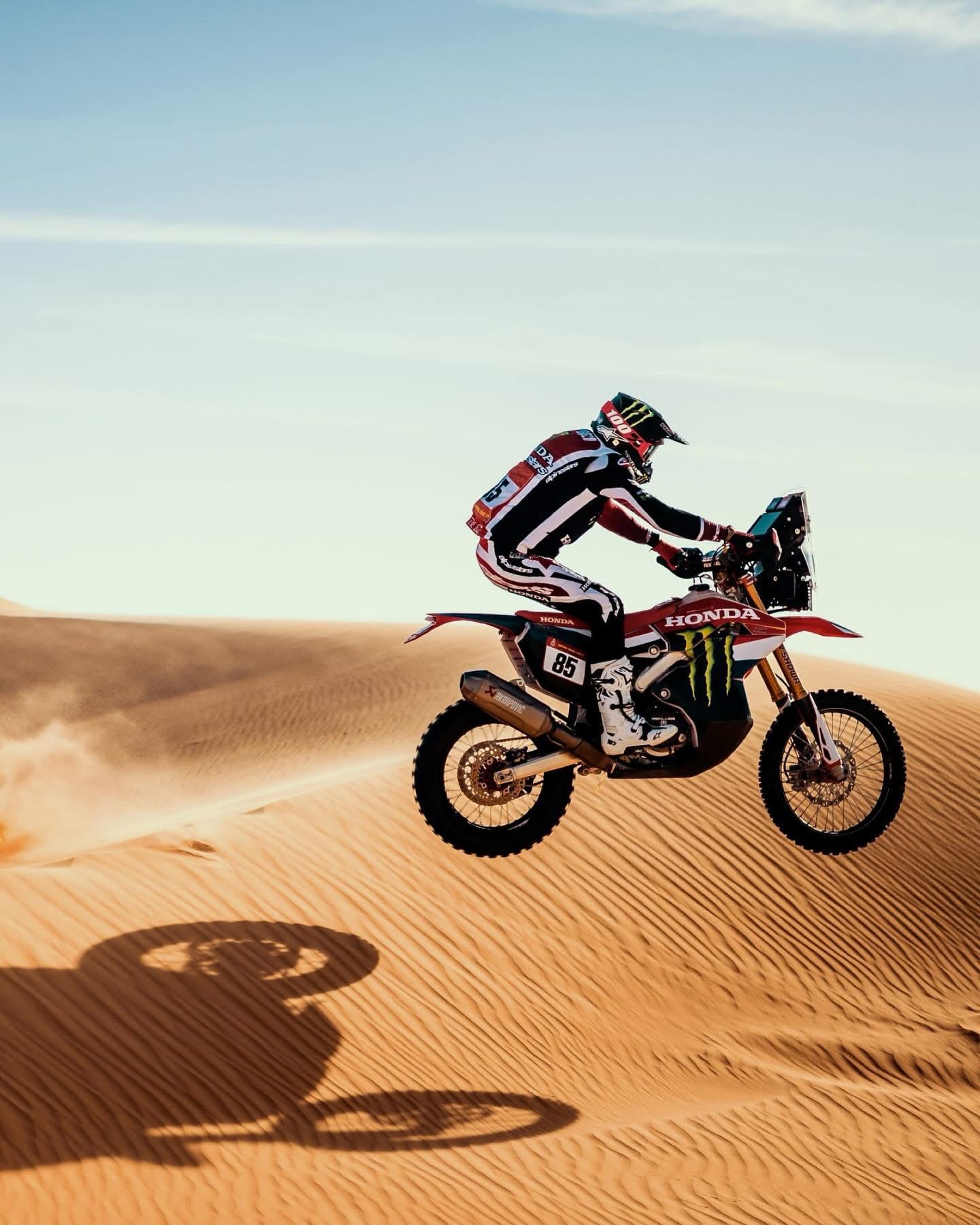
This rule favors lightweight, high-revving single-cylinder engines (like the KTM 450 Rally or Honda CRF450 Rally).
Legendary Bikes from the Old Era
Before the 450cc limit, the Paris-Dakar was dominated by bigger, more exotic machines that looked (and performed) like true desert warriors:
- Yamaha XT500 — Won the first two Dakars (1979–1980) with Cyril Neveu; simple, bulletproof single-cylinder trail bike that became legendary for reliability.
- Honda NXR750 — V-twin factory prototype that crushed it from 1986–1989 (four straight wins), a liquid-cooled beast that redefined rally tech.
- Cagiva Elefant 900 — Powered by Ducati’s desmodromic V-twin, this Italian icon won twice (1990 and 1994 with Edi Orioli). It was a Mad Max-looking monster with raw power, massive fuel tanks, and that iconic twin-cylinder growl—pure 90s rally magic.
These old-school legends (often 750–900cc twins) shaped the entire adventure bike genre. Manufacturers translated Dakar-winning tech and style into road-legal production models:
- Honda Africa Twin (XRV650/750 series, launched 1988) — Directly inspired by the NXR750; big V-twin, long-travel suspension, huge tank, and that unmistakable Dakar silhouette—became the benchmark for go-anywhere adventure.
- BMW GS series (R80G/S onward) — Early Dakar dominance (e.g., 1981–1985) pioneered boxer engines with shaft drive and monolever suspension; evolved into today’s R1300GS Adventure.
- Yamaha XT660 Ténéré (and later Super Ténéré) — Built on the XT500/XT600 Dakar heritage, emphasizing lightweight singles for real-world off-road exploration.
Homologated Bikes Explained
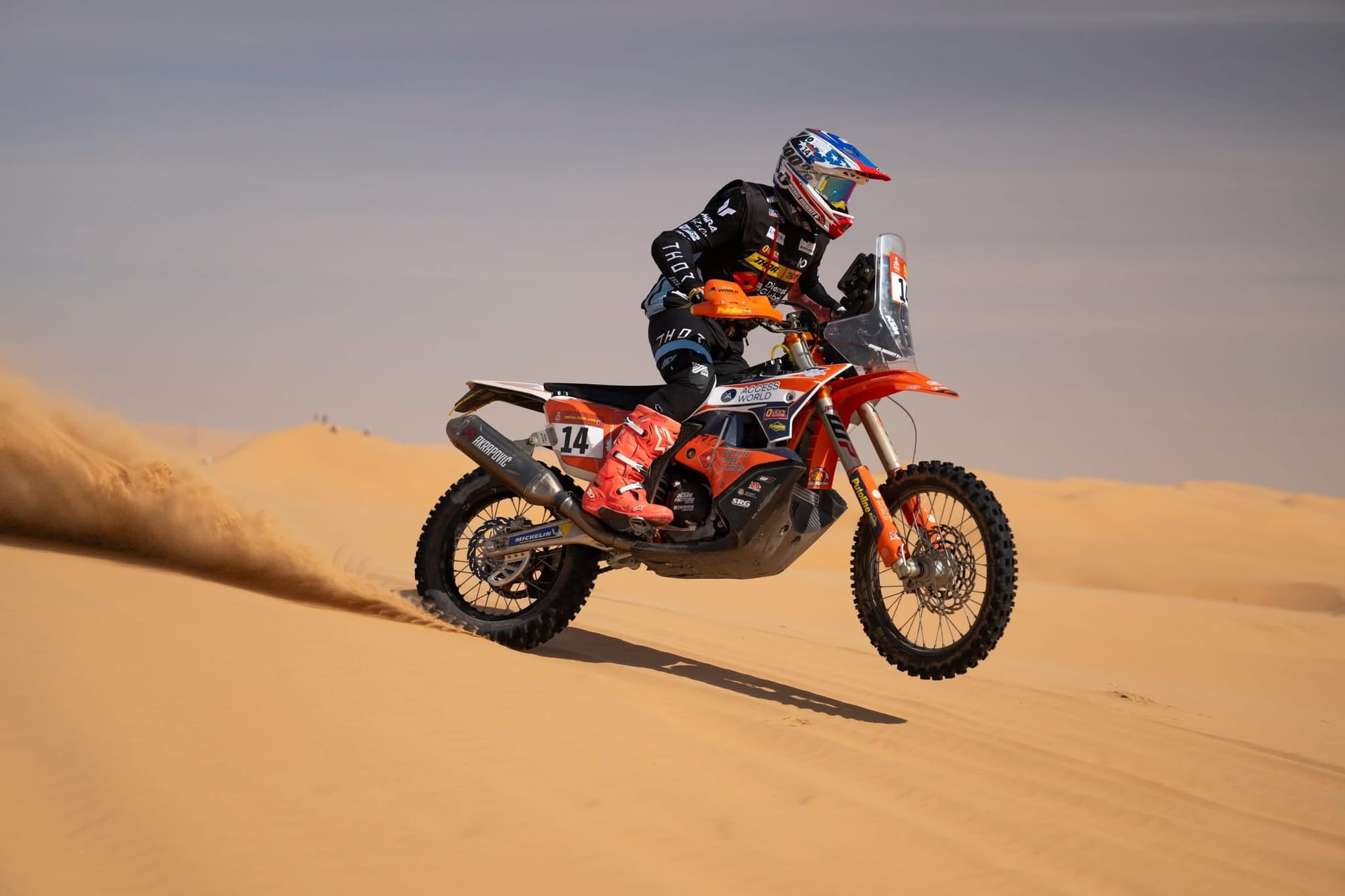
In RallyGP and Rally2, bikes must be based on homologated production models (FIM-approved rally replicas like the KTM 450 Rally Replica, Honda CRF450 Rally, or Hero 450 Rally). Manufacturers produce a limited number for sale (often to privateers), ensuring the race bikes aren’t pure one-off prototypes.
What Makes Dakar Bikes Special?Factory rally replicas (KTM 450 Rally, Honda CRF450 Rally) built like tanks:
- Huge fuel tanks (28–34+ liters, multi-system for 400+ km range).
- Massive long-travel suspension (300mm+).
- Titanium subframes/exhausts for strength without weight.
- Beefed-up chassis, giant skid plates.
- Navigation tower for the roadbook.
- The Roadbook: a scroll of symbols, arrows, distances, hazards, no Google Maps. These are given 5 minutes before takeoff.
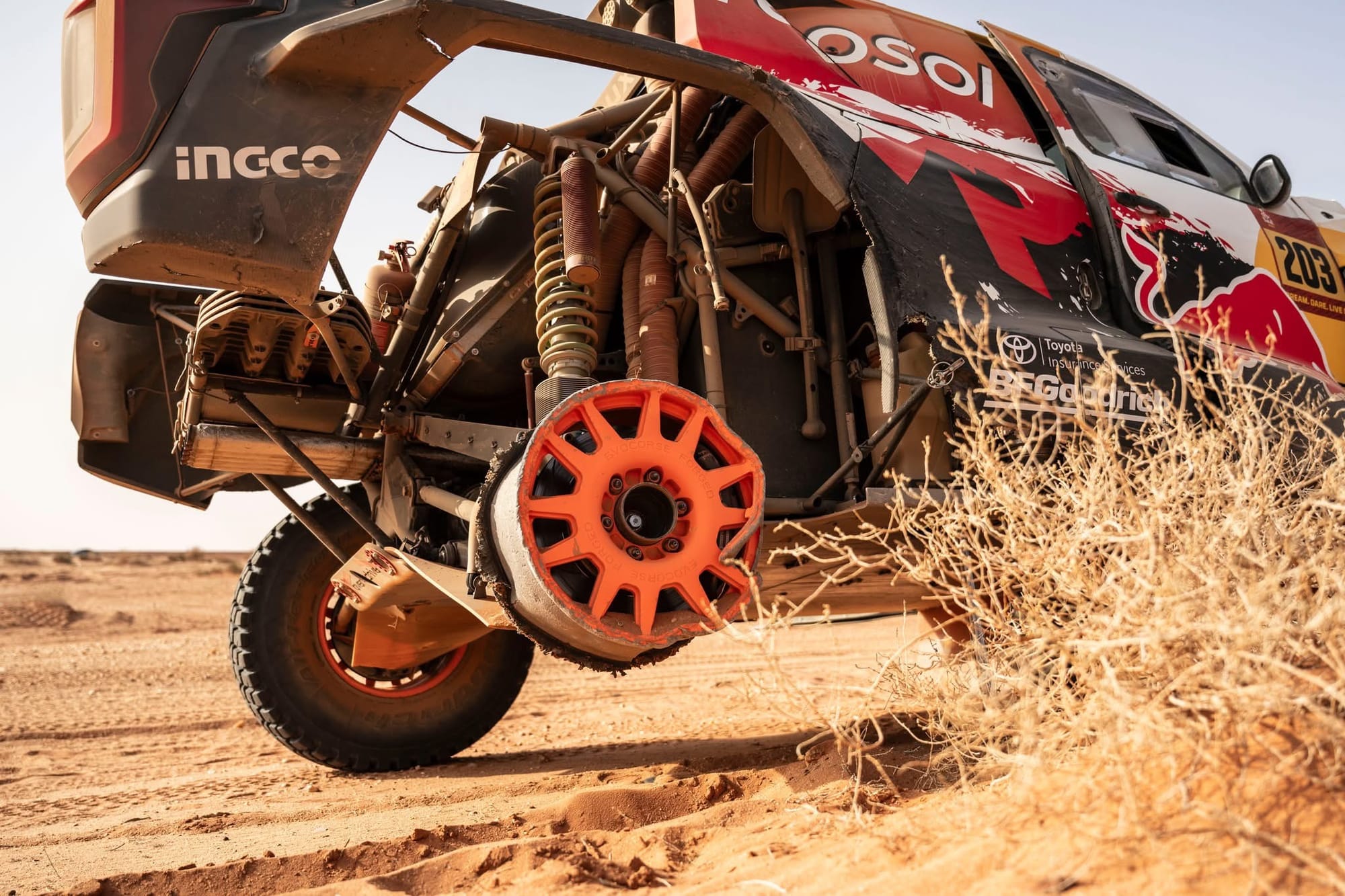
- Test of What?: Endurance (14+ days, body-breaking fatigue), technical skill (fixes, tires, nav), medical resilience (heat, crashes), and camaraderie, classic moments like Loïc Minaudier helping a rival pass, embodying the “help or be helped” ethos. Tragically, it has seen deaths (79 total) and past security scares.
- Notable Champs & Moments Bike icons: Cyril Despres, Marc Coma, Toby Price, Ricky Brabec (first American bike win). Cars: Carlos Sainz Sr. (4-time winner).
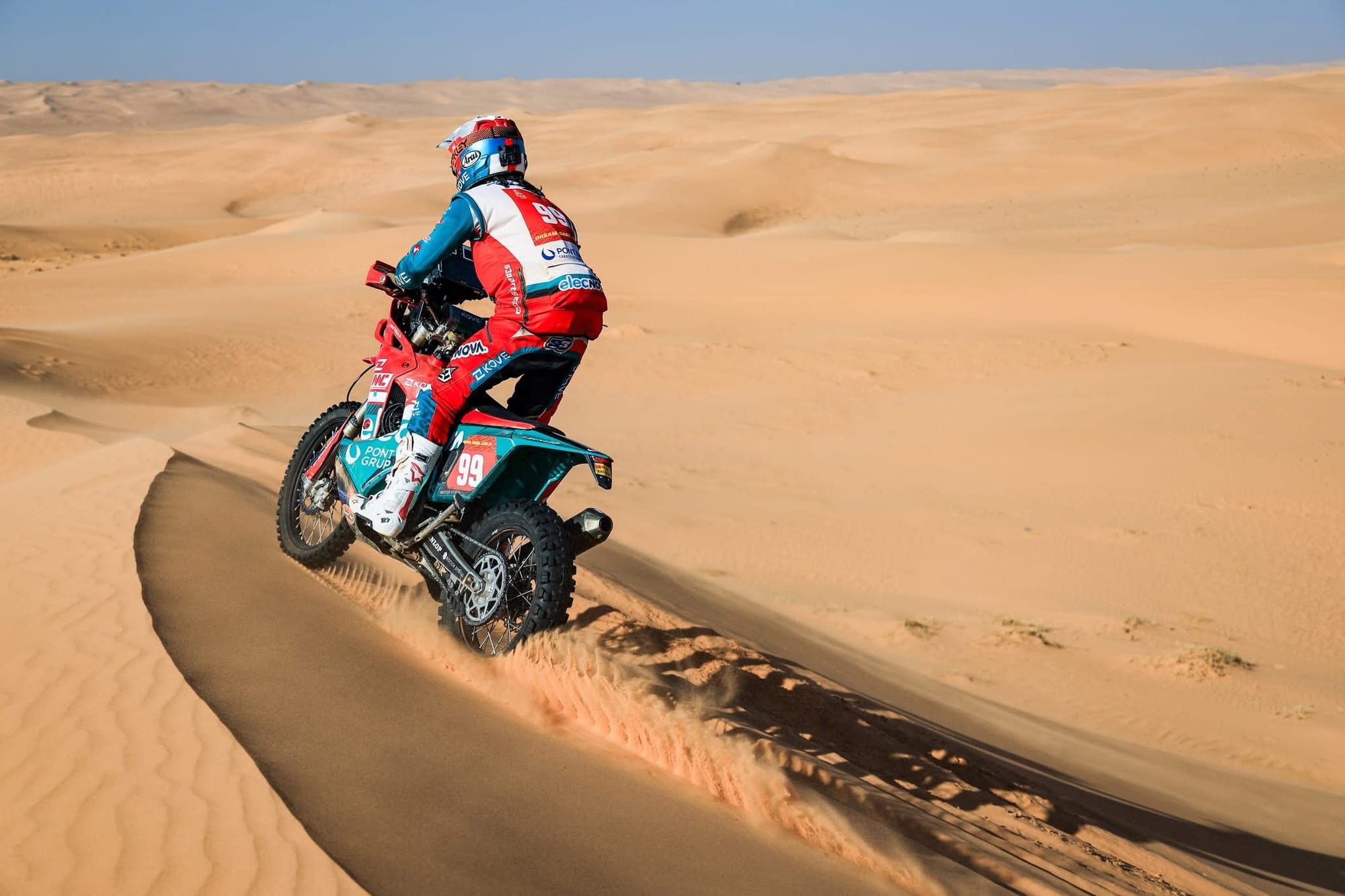
- The Kove Story: Chinese Manufacturer Rising Fast Chinese brand Kove (founded 2017) made waves with their Dakar debut in 2023, all three factory bikes finished, a rare feat for a newcomer. They’ve built on that with the Kove 450 Rally platform (proven in race form, even available street-legal in some markets). In 2026, factory rider Neels Theric (French, on Kove) has delivered massive highlights: multiple stage wins in Rally2 (including the brand’s first-ever Dakar stage victory on Stage 4), showing grit despite early setbacks like electrical issues and tire destruction.
- Future for Southeast Asians Representation is growing slowly—Asian riders are rare but inspiring. Swiss-Filipino Max Keinle raced twice in the tough Original by Motul class (no assistance, full self-reliance). Efforts like those from FIM Asia President Stephan “Macky” Carapiet (from the Philippines, long-time motorsport leader) are key: he’s championed regional development in road racing, motocross, and off-road events, helping build pathways, licenses, and experience for Asian talent to reach big stages like Dakar.
This is your crash course intro—next articles will dive into daily drama, current battles (Honda vs. KTM heating up!), Kove’s continued push, and Southeast Asian prospects. Respect to the riders grinding it out right now. Stay tuned!