F1: WHY SEPANG HITS DIFFERENT, AND THE LESSONS FROM F1’S MALAYSIAN REUNION

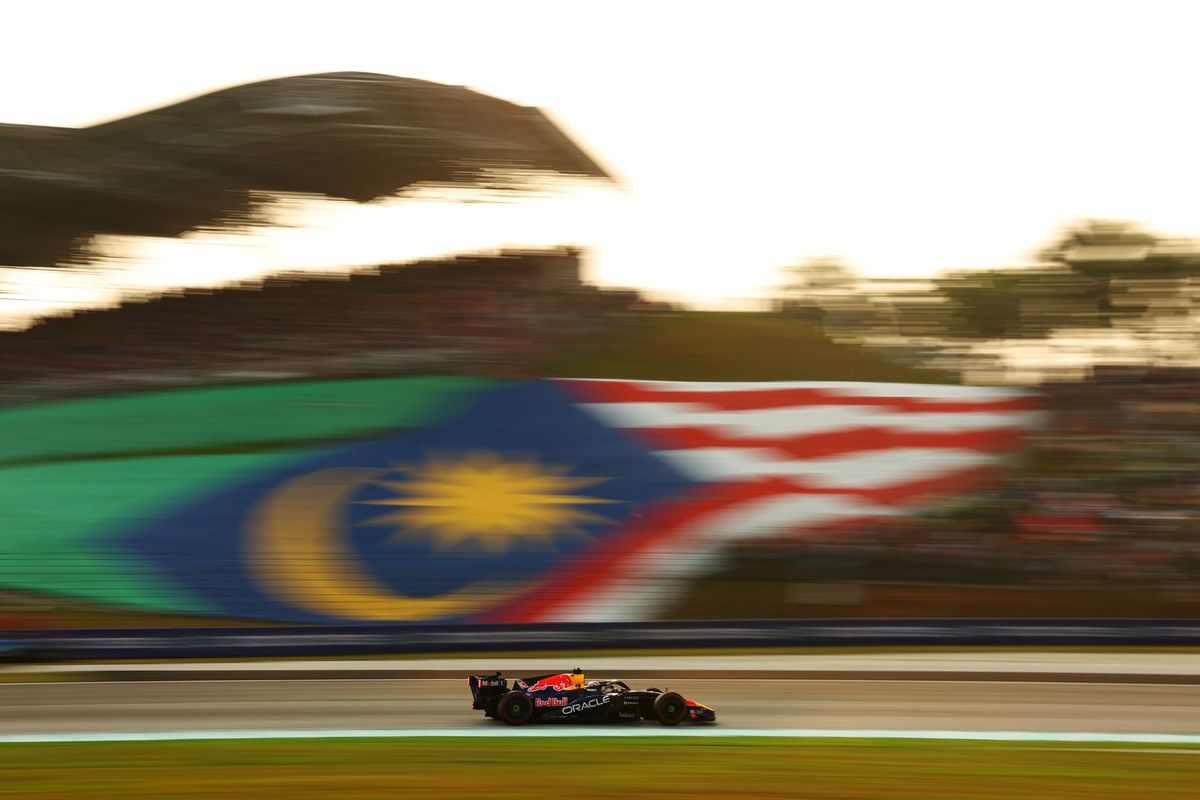
Having shot trackside at the PETRONAS Sepang International Circuit since 2008 and watching the modern era of motorsport take shape, seeing Formula 1 engines across the main grandstands again hit straight in the chest.
As Lewis Hamilton said, Sepang isn't just a race track, it is a racing track. If you know what I mean.
Formula 1 returned to the PETRONAS Sepang International Circuit for the first time since 2017, substituting for the canceled Bahrain Grand Prix. The event highlighted both the circuit's financial viability under third-party hosting models and significant logistical issues in spectator management.
The Return: A Financial Anomaly & The Bahrain Connection
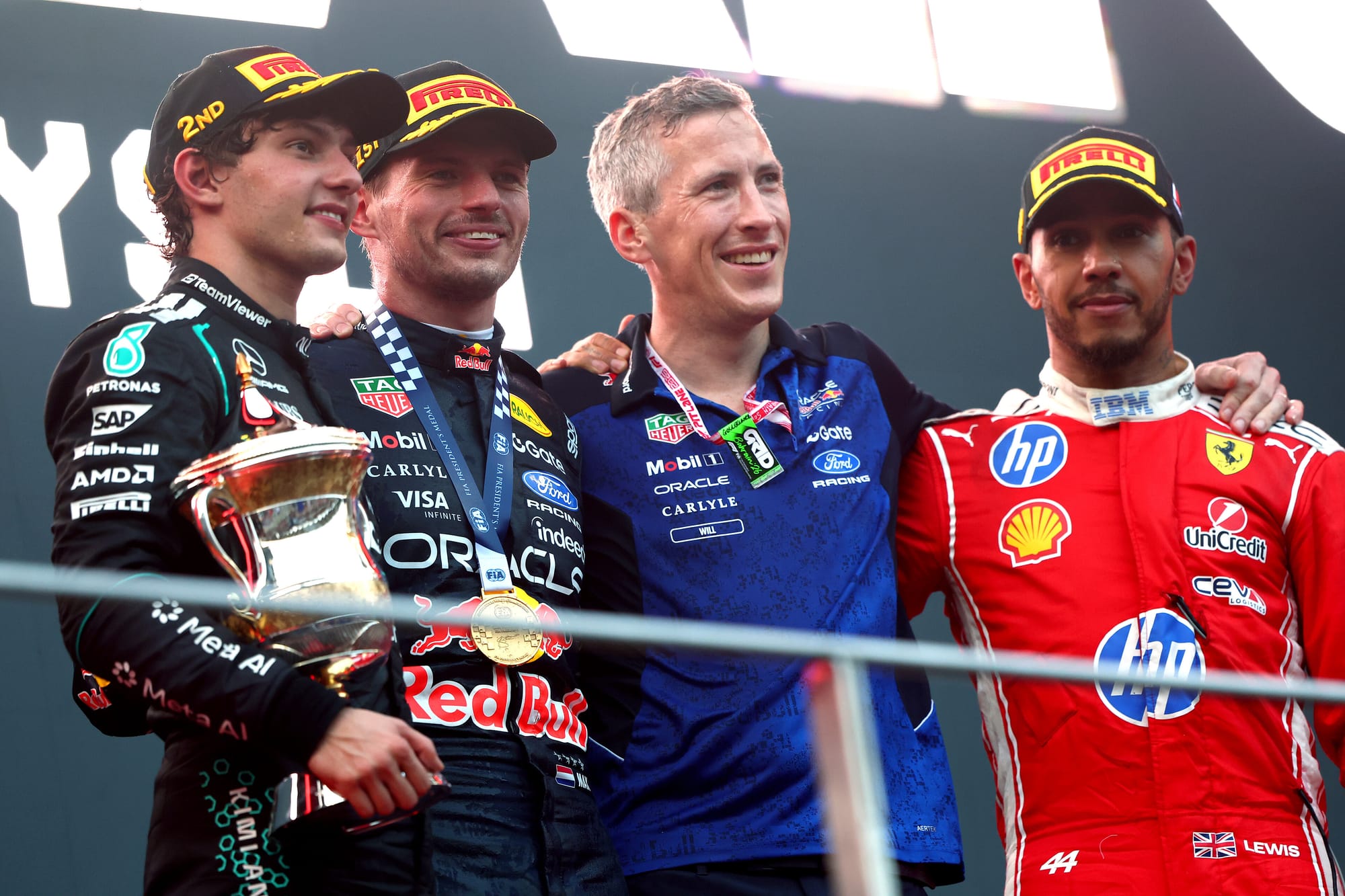
Sepang’s return to the F1 circus in 2026 didn't happen through standard government bidding. It came via an unprecedented geopolitical slot swap. With ongoing hostilities forcing the relocation of the Bahrain Grand Prix, the Gulf state stepped in to fund the hosting rights, an estimated US$100 million undertaking, effectively bringing "Bahrain to Malaysia".
For the Malaysian economy, it was sort of a jackpot depending who you ask. The event injected an estimated RM1.3 billion (US$318.5 million) in local economic impact without Putrajaya having to shell out the crippling annual hosting fee, which now sits at well over US$71 million per year (with a full multi-year commitment scaling past US$350 million).
Had the Malaysian government attempted to host this on its own dime, the proposal would have been dead on arrival. Malaysia dropped F1 after 2017 because the math no longer made sense against rising fees and diminishing returns. Bahrain bankrolling the event gave Sepang a second chance to show what the sport had been missing, serving as a low-cost, high-yield proof of concept.
The Shortcomings: Legendary Track, Aging Logistics
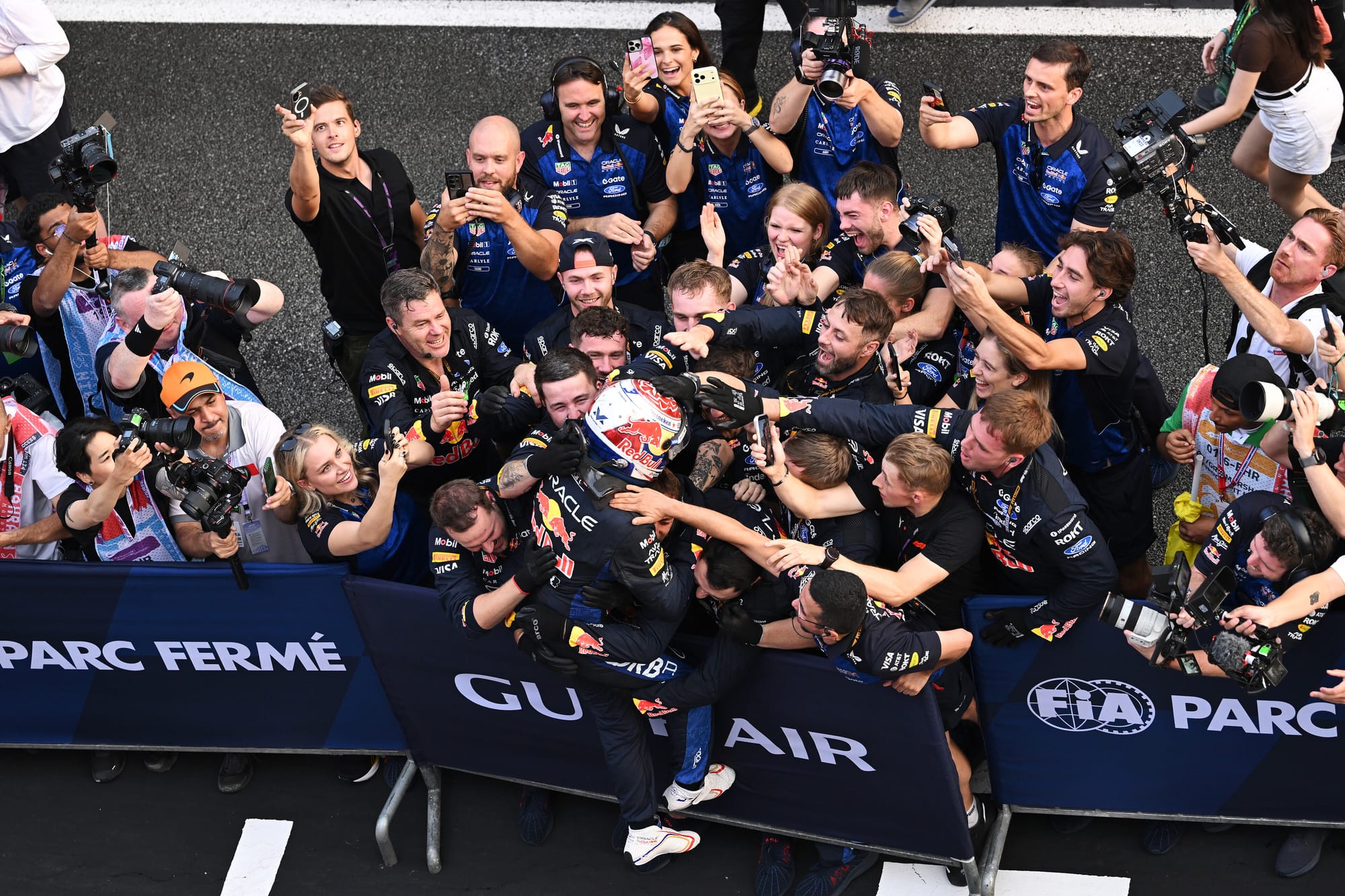
While Hermann Tilke’s track layout remains a masterpiece, the spectator and operational infrastructure laid bare why Sepang struggled in its final years before 2017:
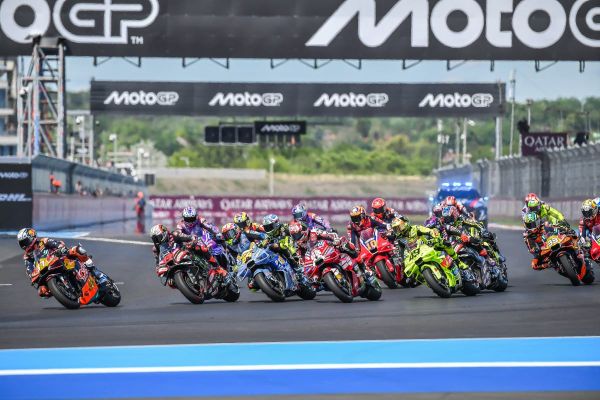
- The Drinking Water Crisis: In 35°C heat with extreme humidity, fans faced a nightmare trying to stay hydrated. All bottled drinks were confiscated in the gates, creating a bottleneck that caused 45 minutes of entrance queue. Bottled water ran out at multiple vendor stalls before mid-afternoon, leaving thousands stranded in blistering conditions. Some waited an hour in line to just buy water. This is actually not new to Sepang Circuit, also happens to MotoGP too, they never really fixed it.
- Food Vendor Bottlenecks: Hours-long queues for basic food stalls meant fans routinely missed entire track sessions just trying to grab lunch.
- The Dreaded Sepang Traffic: The single-artery logistics from the ELITE highway and KLIA access routes collapsed under the influx. Fans and media were stuck in standstill gridlock for up to three hours post-race.
If Sepang ever hopes to secure a permanent spot on the modern F1 calendar, world-class racing isn't enough. Liberty Media’s "experiential economy" demands seamless spectator infrastructure, efficient mass transit, and non-stop hospitality.
My take? Increase the tickets by a dollar or two, make water free for all, if that is possible. More drinking fountains but no more bag checking.
Why Sepang Hits Different from Singapore
Just across the causeway, the Marina Bay Street Circuit delivers a dazzling glitz-and-glamour spectacle. But for true purists and photographers who have covered both, the two couldn't be more distinct:
| Feature | Singapore Grand Prix (Marina Bay) | Sepang International Circuit |
| Circuit DNA | Confined street track, 90-degree stops, zero margin for error | Wide, sweeping, flowing layout designed for wheel-to-wheel warfare |
| Overtaking | Highly strategic, track position & pit-cut reliant | Natural, multi-line passing zones (Turns 1, 4, 9, 15) |
| Fan Vibe | VIP hospitality, music festivals, city "glamscaping" | Die-hard petrolheads, grandstand tribalism, raw engine sound resonance |
| Atmosphere | Artificial night lighting, corporate polish | Unpredictable tropical weather, natural light shifts, organic racing drama |
Singapore is an elite corporate lifestyle event that happens to feature race cars. Sepang is a motorsport temple.
Drama on Track: Software Glitches, Rain Delays, and On-Track Magic
Sunday delivered pure, unadulterated Sepang drama.
1. The Power Unit & Software Nightmare
Before the lights even went out, chaos struck. A critical FIA software glitch, interacting with wet-weather energy settings, low engine speeds, and hybrid power deployment on the formation lap caused multiple power units to enter anti-stall or shut down entirely. Cars were left crawling along the back straight like broken toys, sparking confusion across the pit wall.
2. Tropical Rain & Grandstand Passion
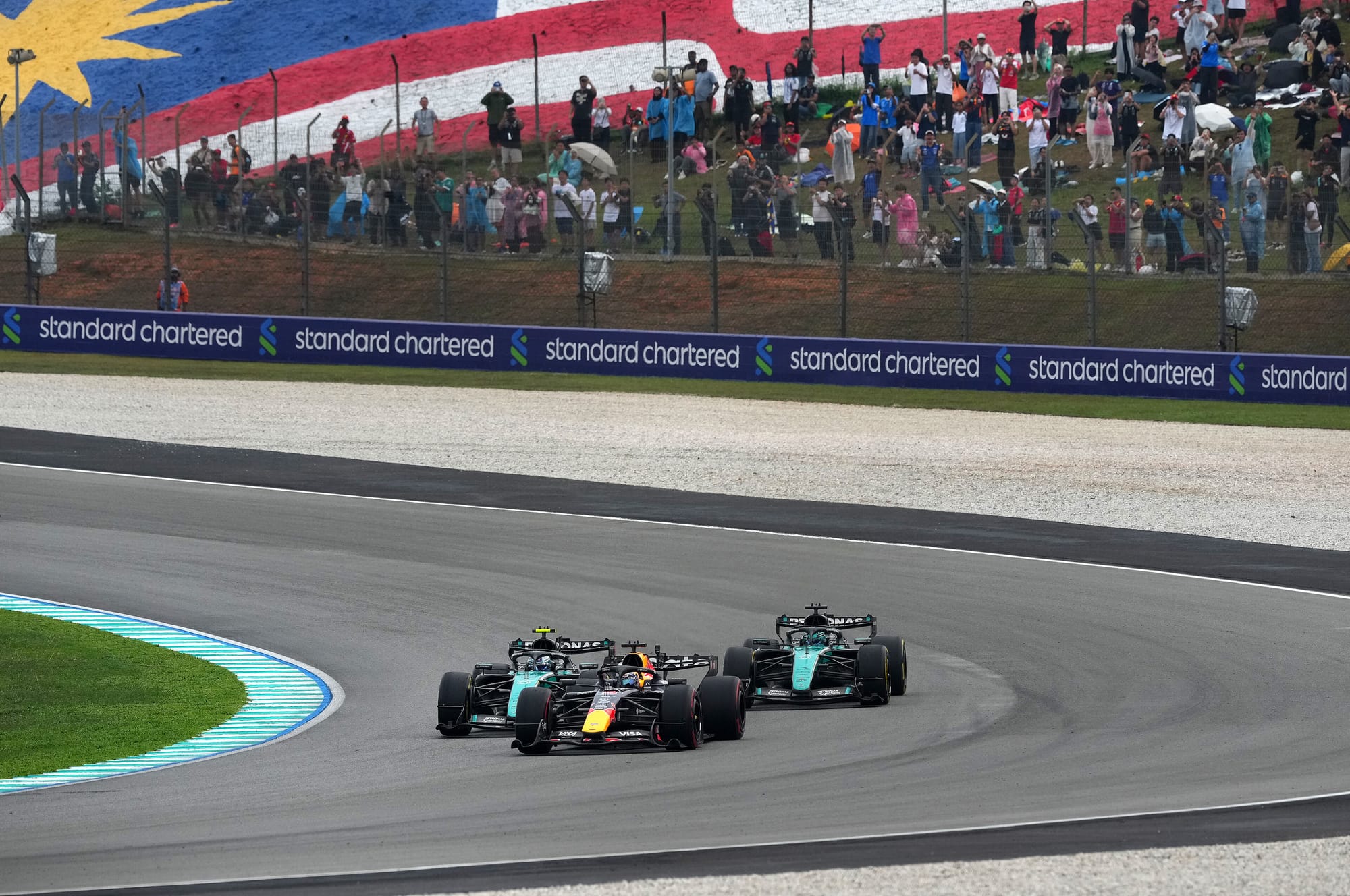
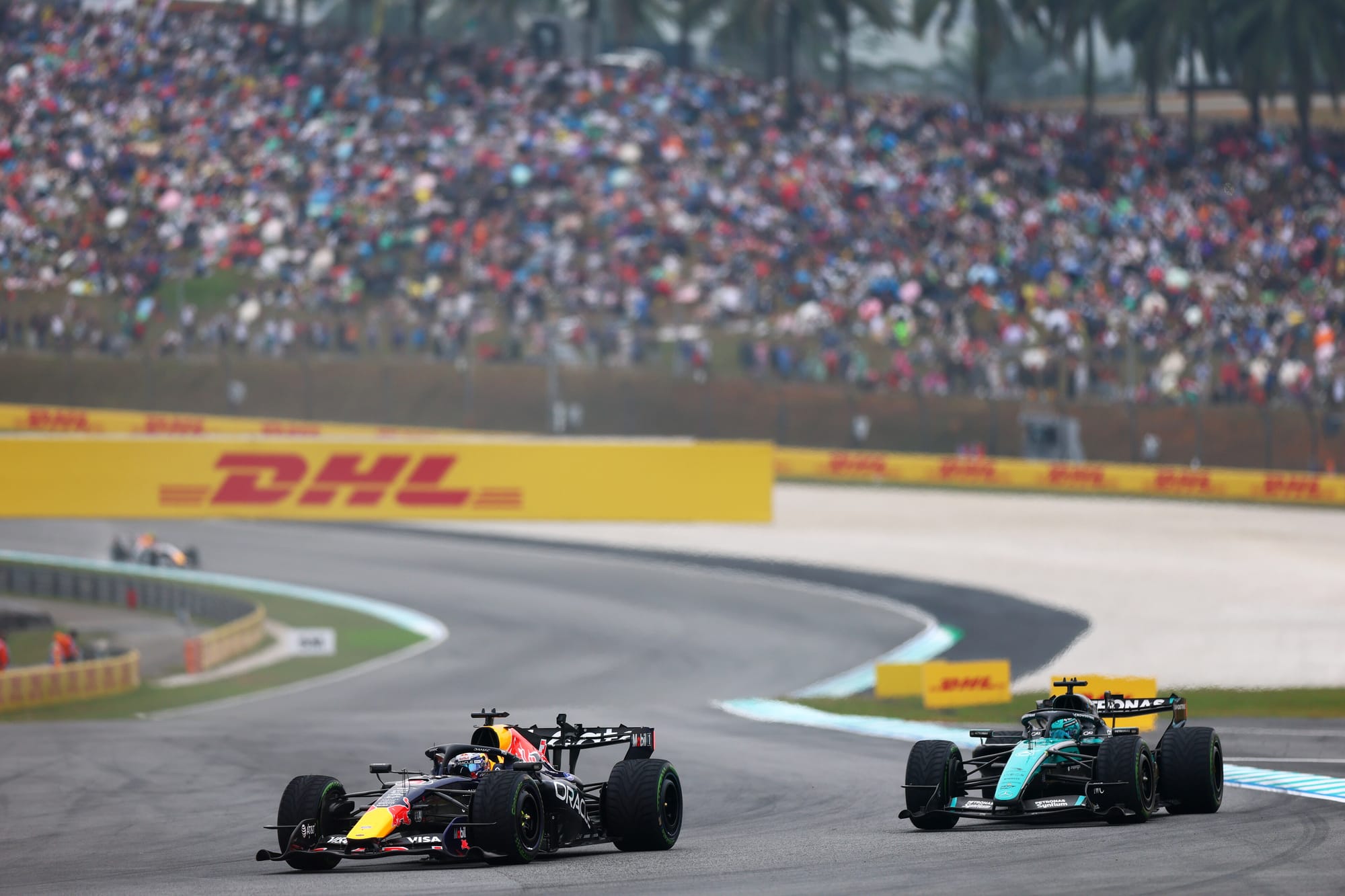
Then came the rain. The skies opened up with traditional Malaysian fury, forcing a extended red-flag delay. But instead of dampening spirits, the soaked fans in the K1 and Main Grandstands turned the delay into a carnival, echoing chants across the track and breaking out into unison renditions of the Max Verstappen anthem ("Super Max") to keep the energy alive.
3. Lewis Hamilton’s Charge & Alonso’s Magic
When racing finally resumed, the track delivered instantly:
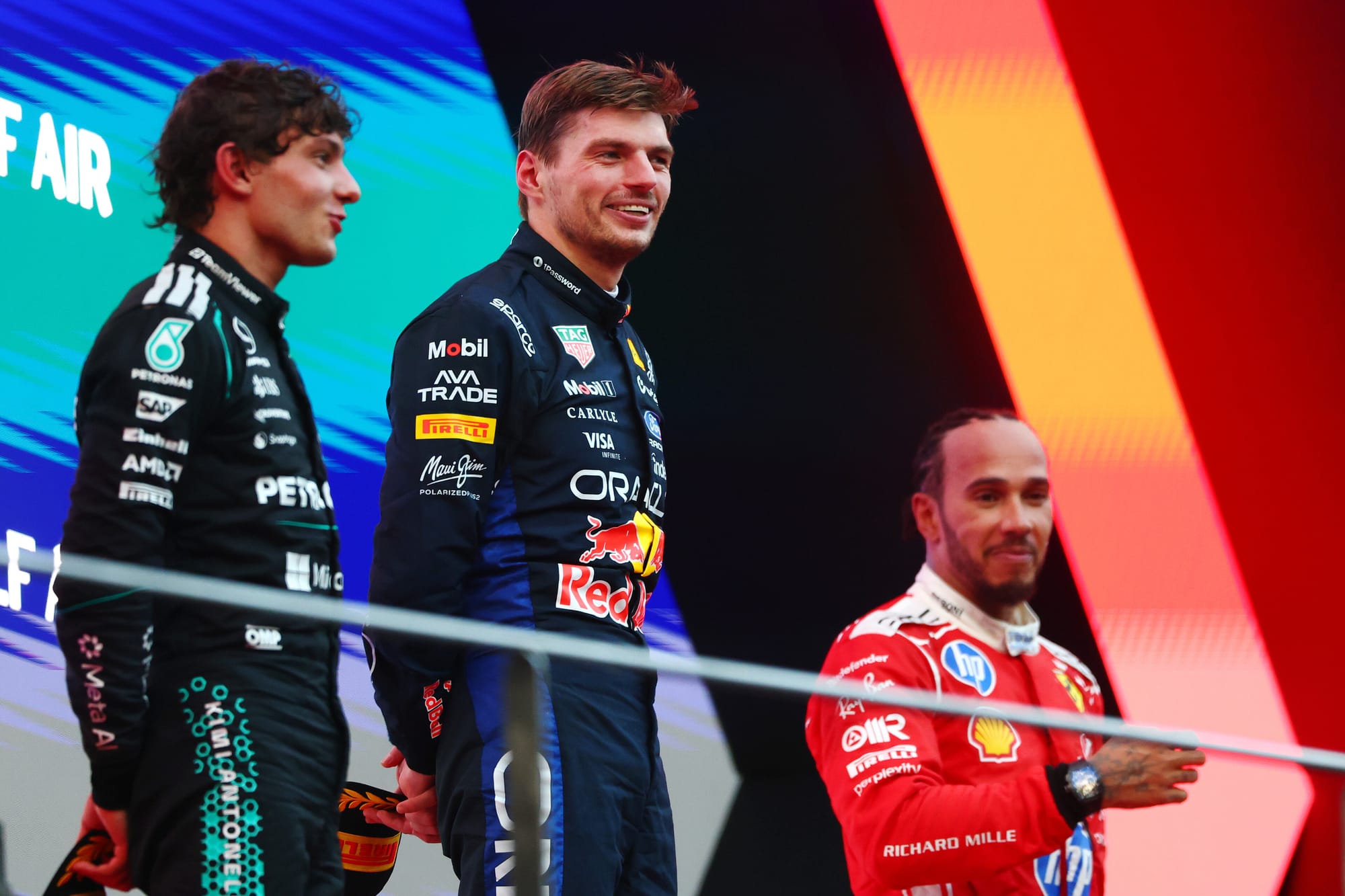
- Lewis Hamilton's Recovery: After an initial tire gamble backfired and dropped his Ferrari to 17th place early on, Hamilton put on a wet-weather driving clinic. Carving through the field lap by lap, he picked off cars with surgical precision to claim an improbable 3rd-place podium.
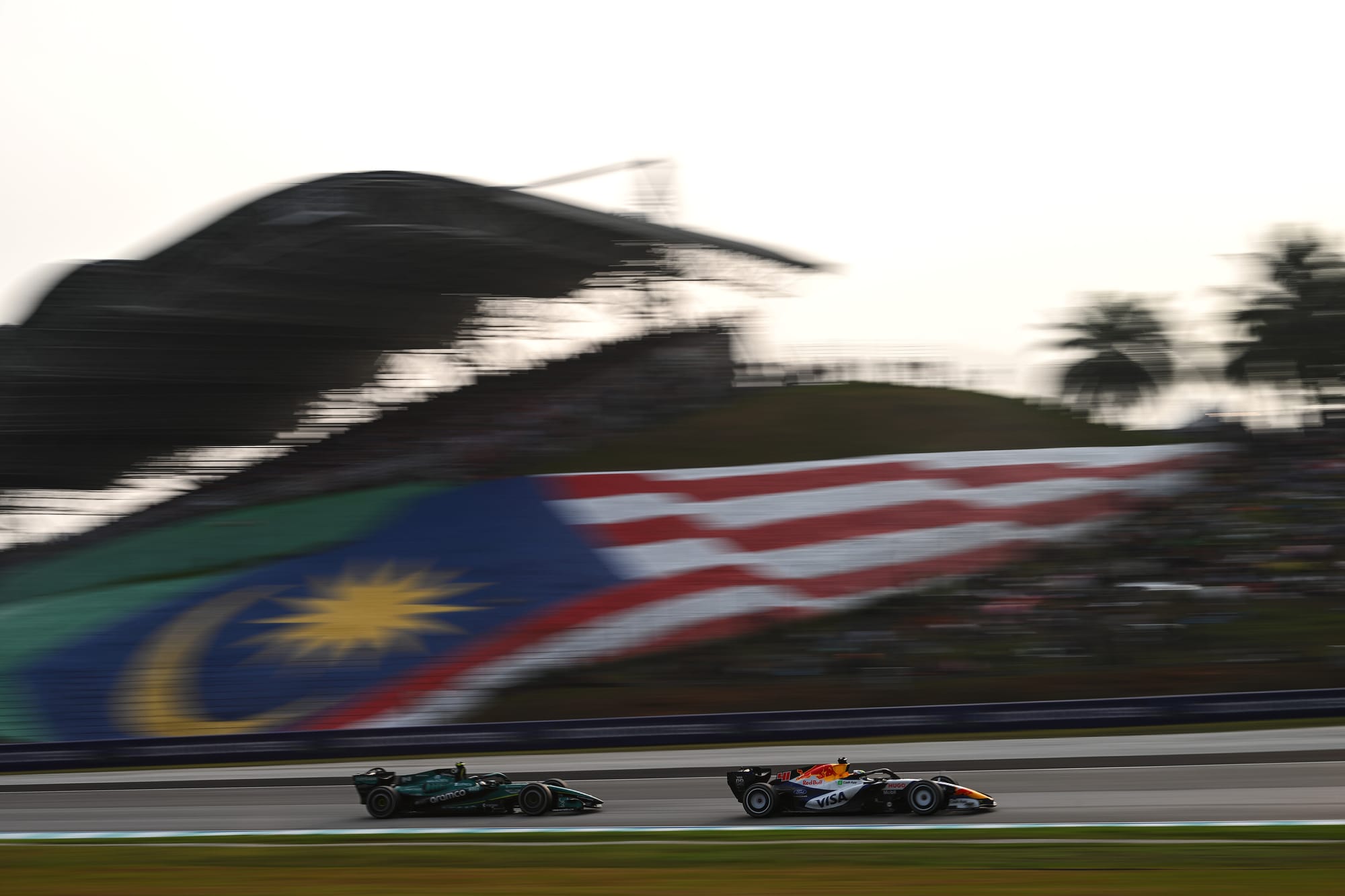
- El Nano’s Double Overtake: Fernando Alonso, a veteran who won here in 2005, 2007, and 2012 showed why experience matters at Sepang. Sweeping around the outside into Turn 1, Alonso hung his Aston Martin out on the wet line and pulled off a stunning double-overtake in a single corner sequence, proving that Sepang's width allows true racecraft to shine.
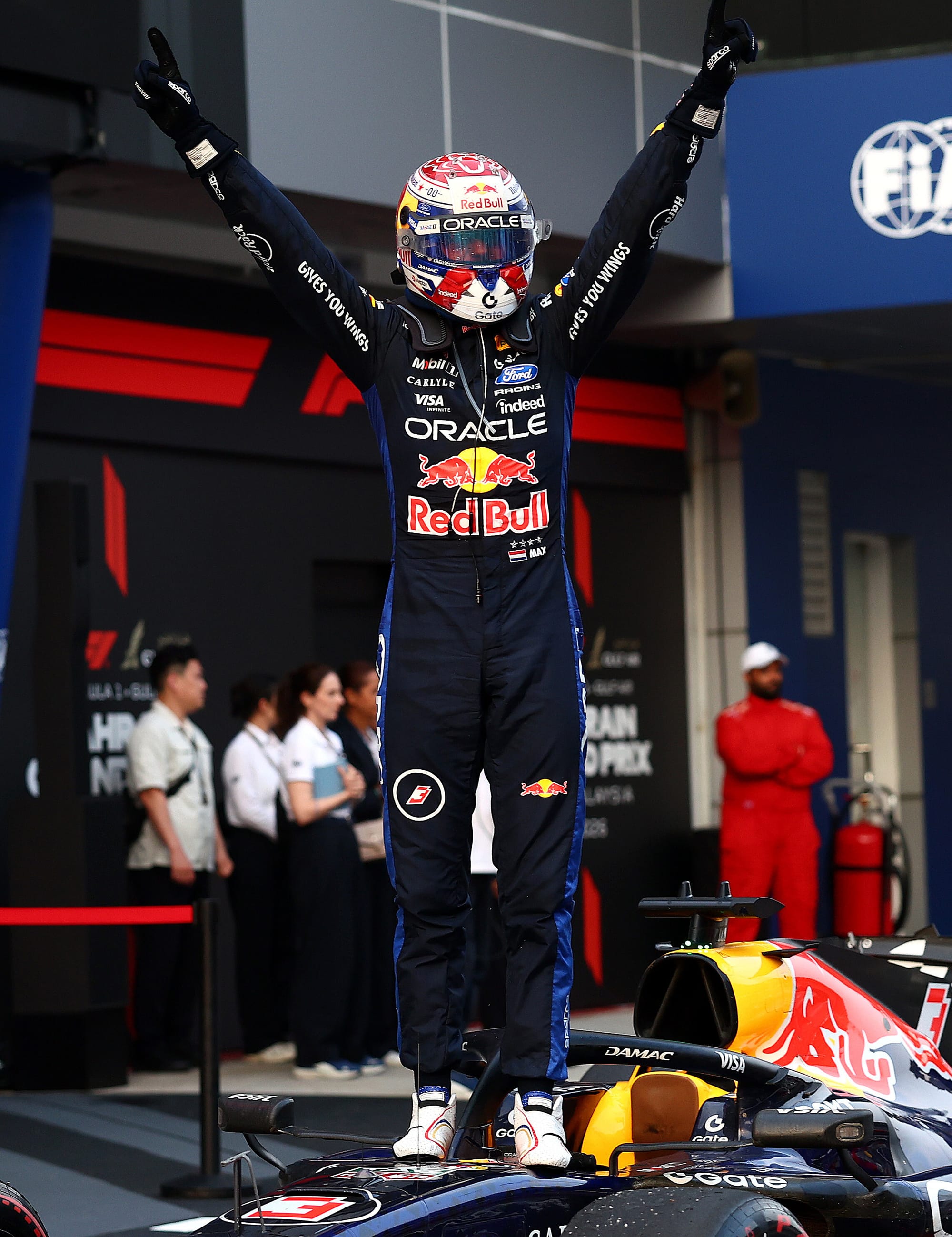
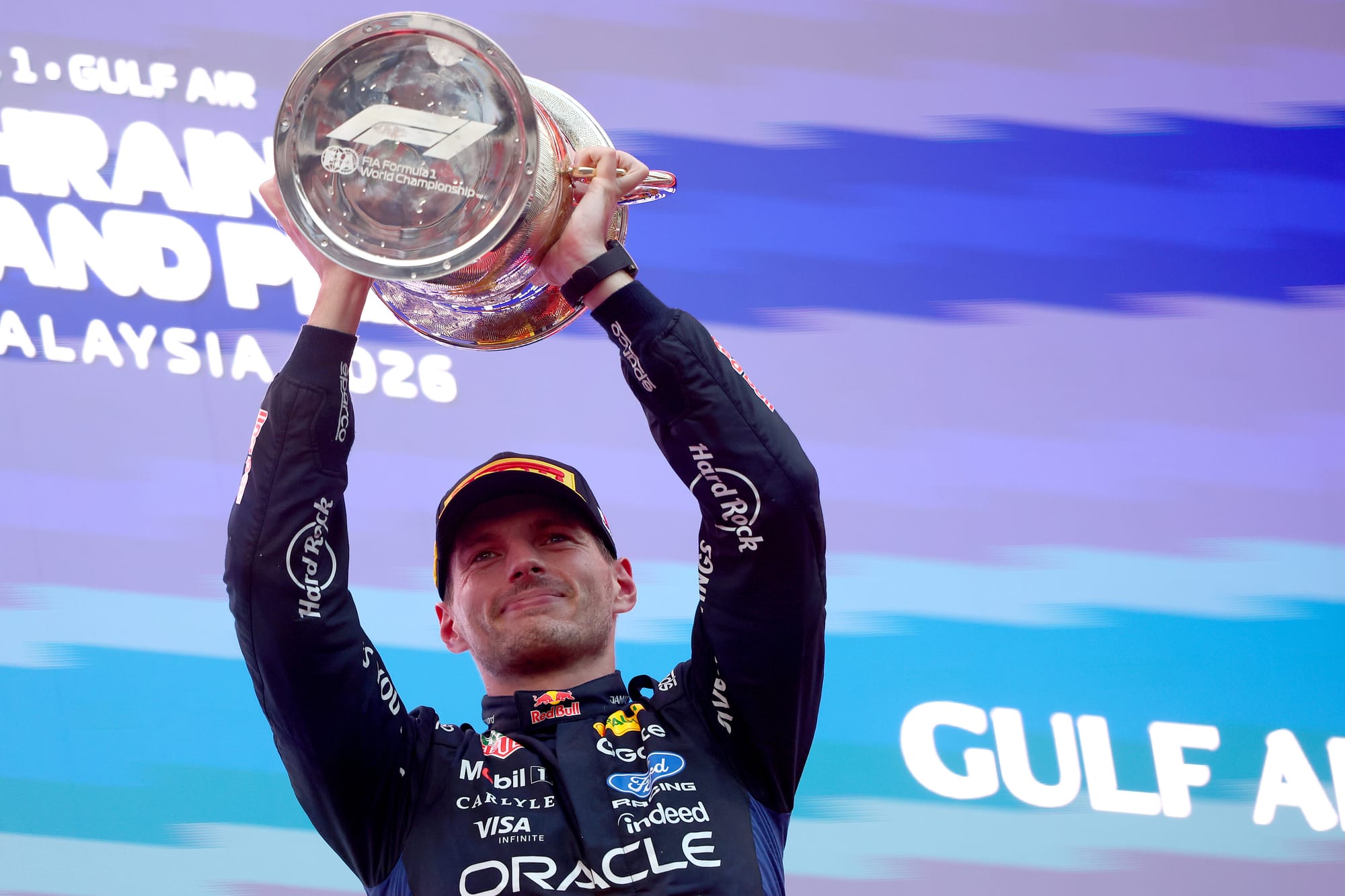
- Verstappen Seals It: Max Verstappen executed a flawless drive to take victory, mastering the treacherous damp-to-drying conditions.
The Verdict
The 2026 return to Sepang proved two things: logistically, the venue needs significant modernization to meet 2020s grand prix standards. But as a racing circuit, there is simply no substitute for PETRONAS Sepang International Circuit.
It reminded every fan, driver, and media photographer why we fell in love with this track in the first place. F1 needs tracks that test human skill over street-circuit precision, and Sepang remains the gold standard.