EV: The End of the "Flush" Era: China to Ban Hidden Door Handles in 2027

By Darwin Zialcita | News Moto
February 6, 2026
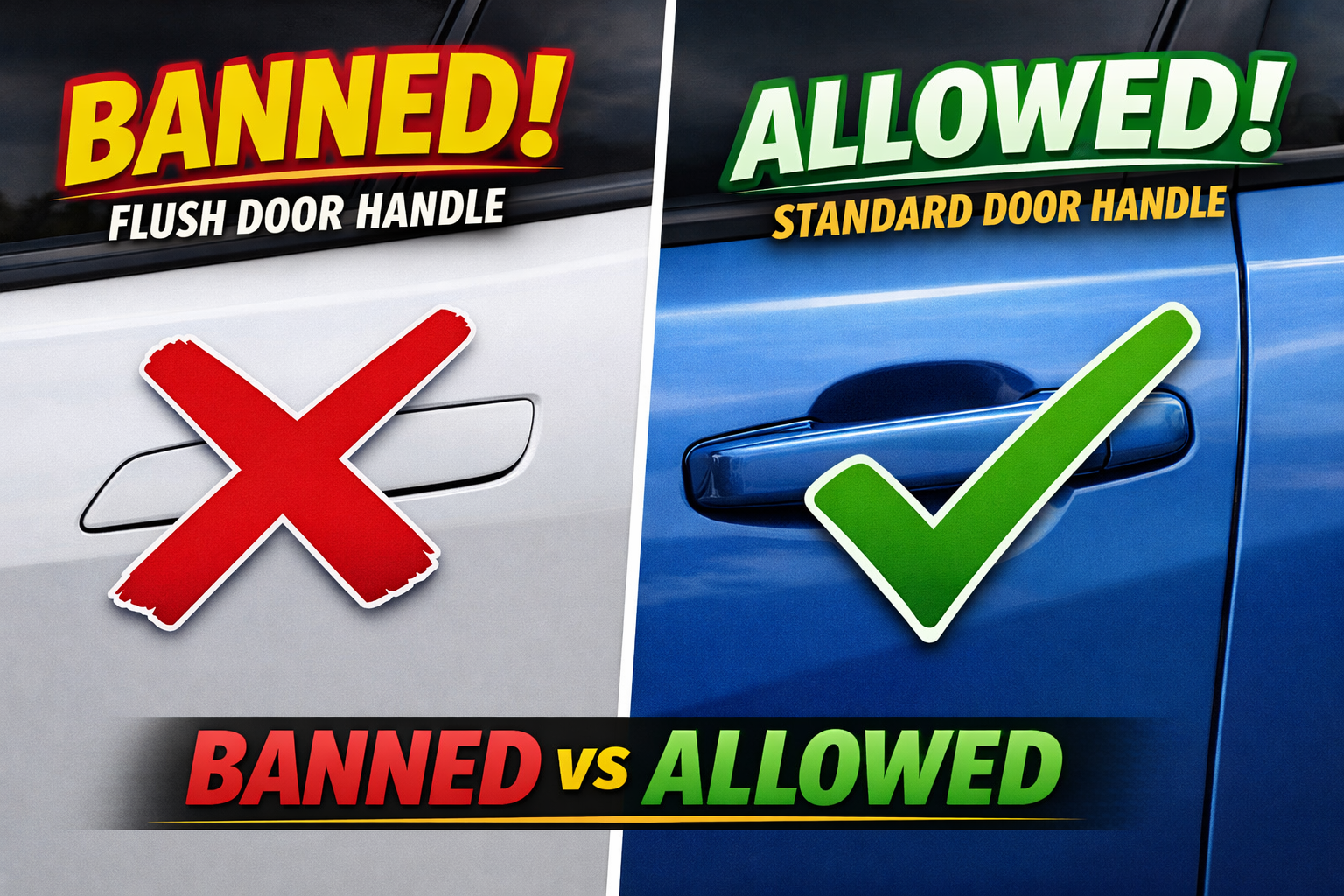
The sleek, minimalist aesthetic that has defined the modern electric vehicle (EV) era is about to hit a major regulatory wall. China’s Ministry of Industry and Information Technology (MIIT) has officially finalized new safety standards that will effectively ban fully hidden and electronically-only door handles.
While pioneered by Tesla and adopted by almost every major Chinese EV player to chase lower drag coefficients, the tech is being sidelined in favor of old-school mechanical reliability. Here is everything you need to know about the mandate that will reshape car design globally.
The Mandate: Safety Over Style
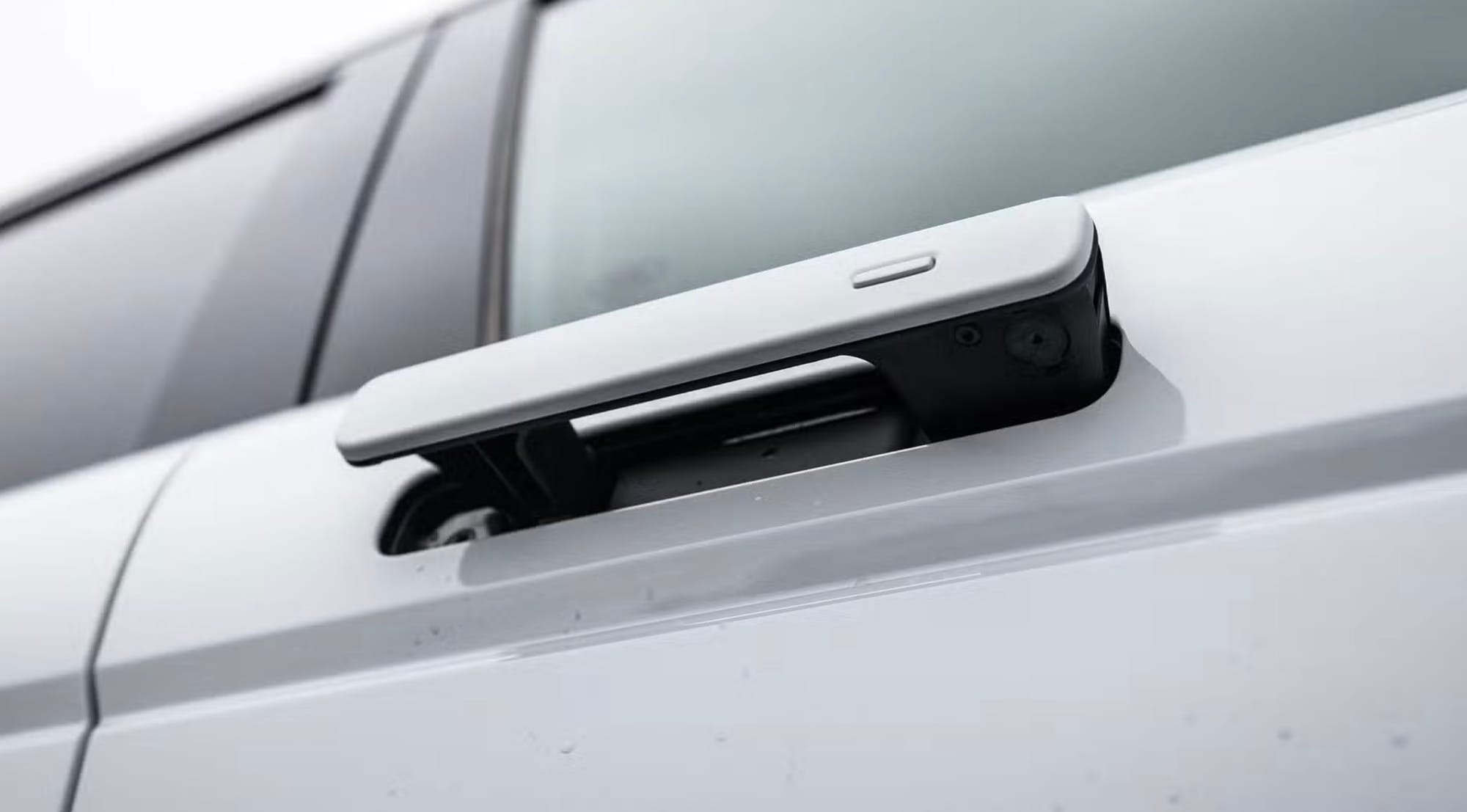
The new policy, released in early February 2026, stems from a series of high-profile, fatal accidents where rescuers were unable to open doors after a crash. Electronic door handles often fail when the 12V system is compromised or when thermal runaway occurs in the battery, trapping occupants inside burning vehicles.
Key Technical Requirements:
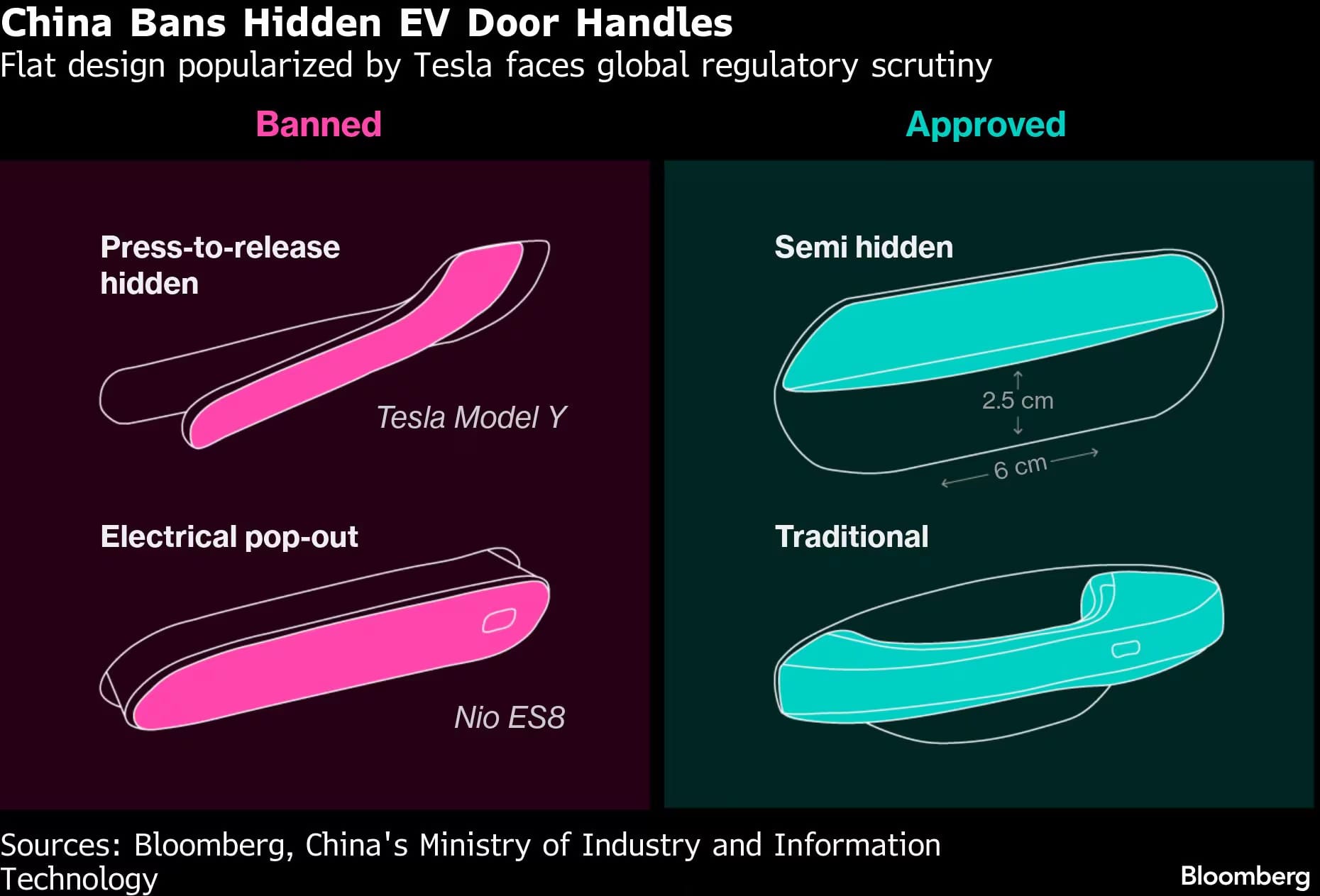
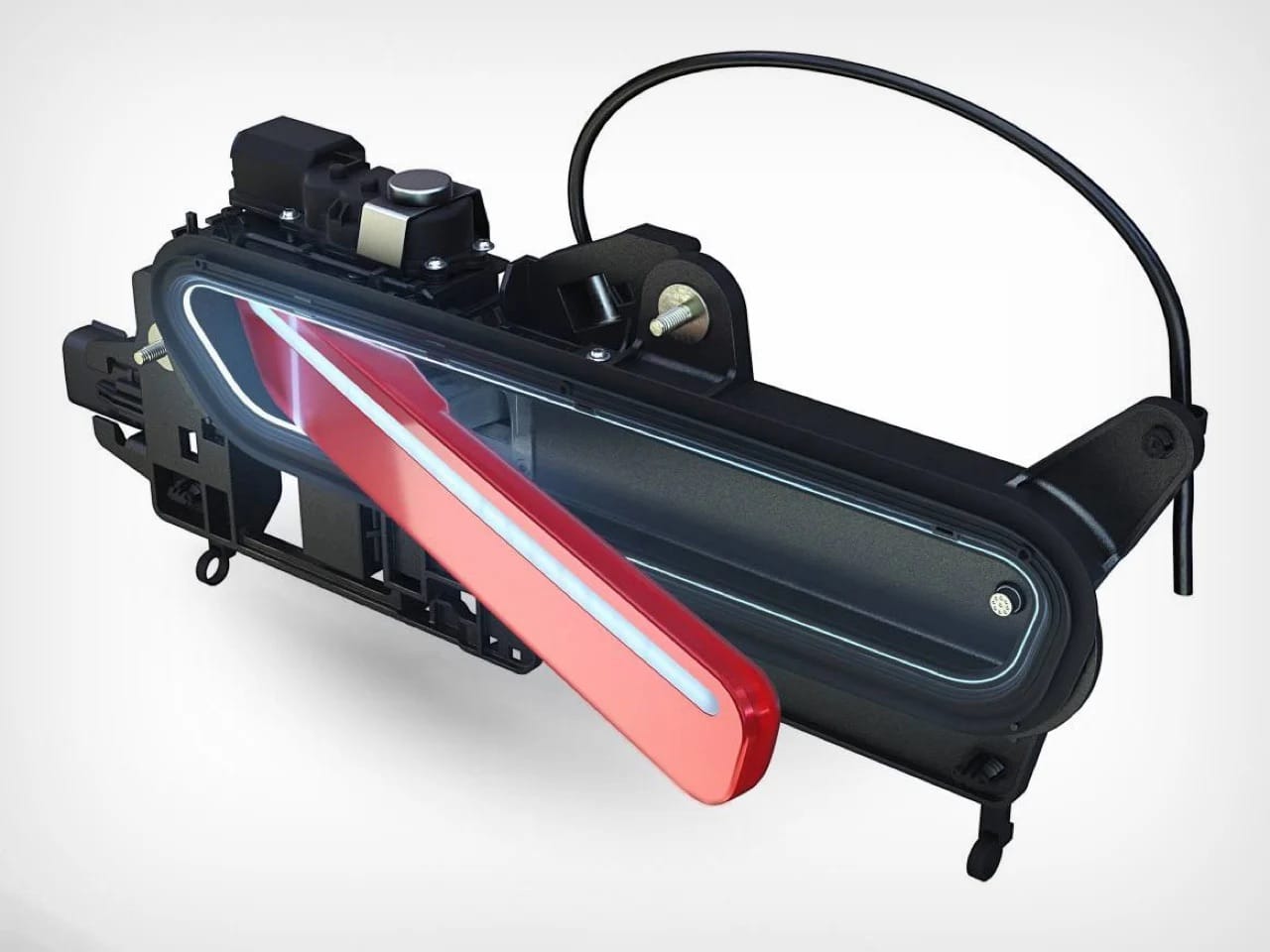
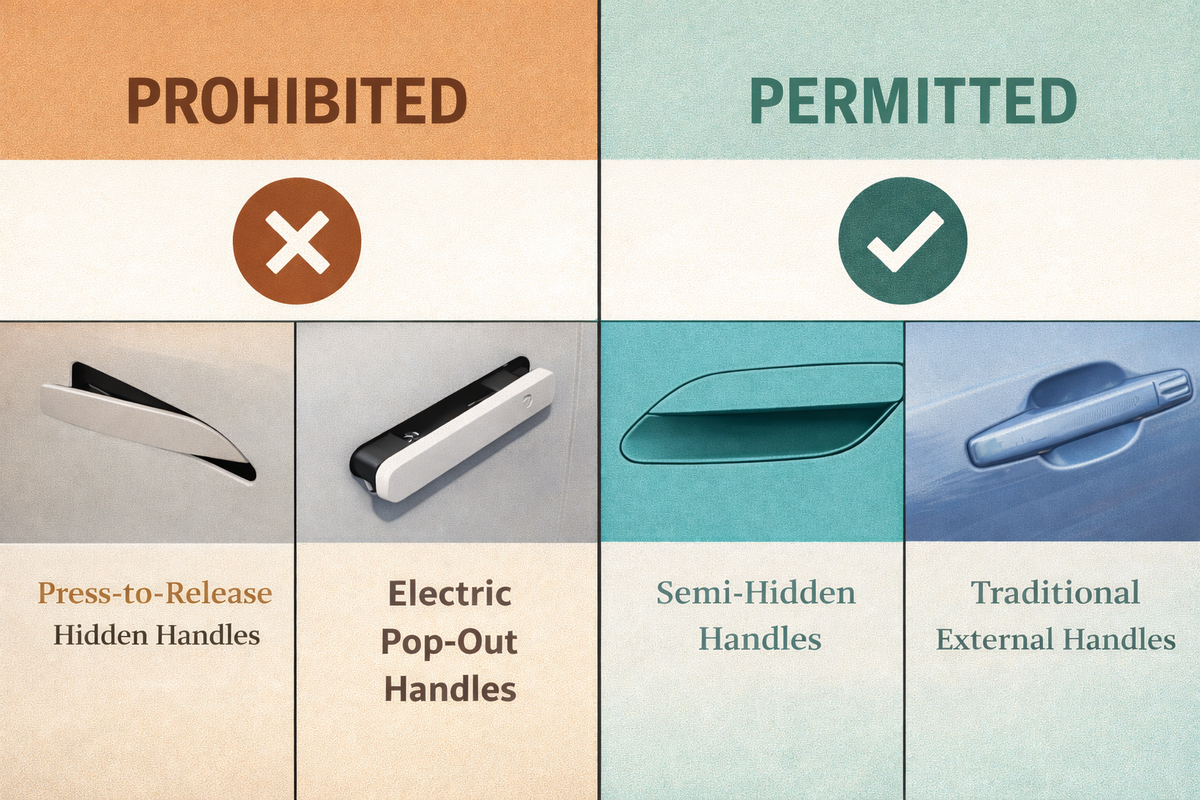
- Mechanical Requirement: Every door (except the tailgate) must have an exterior mechanical release. Electronic-only pop-out handles are out.
- Operating Space: The regulation mandates a physical recessed space of at least 60mm x 20mm x 25mm for exterior grips. This ensures first responders can actually grab the handle without needing power.
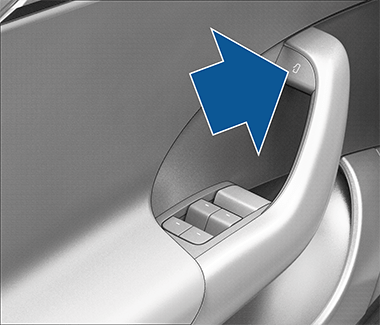
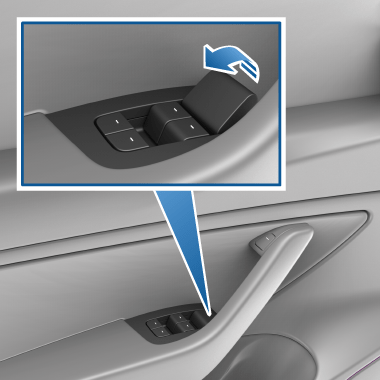
- Interior Accessibility: Every door must have an independent, clearly marked mechanical release handle. Hidden cables under floor mats or behind speaker grilles will no longer pass the test.
- Clear Markings: Interior handles must have permanent graphic markings (at least 1cm x 0.7cm) so passengers can find them in low-light or smoke-filled cabins.
Timeline & Enforcement
China isn't forcing an overnight recall, but the clock is ticking:
- January 1, 2027: All newly approved models seeking to enter the Chinese market must comply with the new mechanical standards.
- January 1, 2029: The final deadline for existing models currently on sale. If a car like the current Tesla Model 3 or Xiaomi SU7 wants to stay on showroom floors, it must be redesigned by this date.
Which Models Are Affected?
Nearly 60% of the top-selling NEVs (New Energy Vehicles) in China currently use some form of hidden handle.
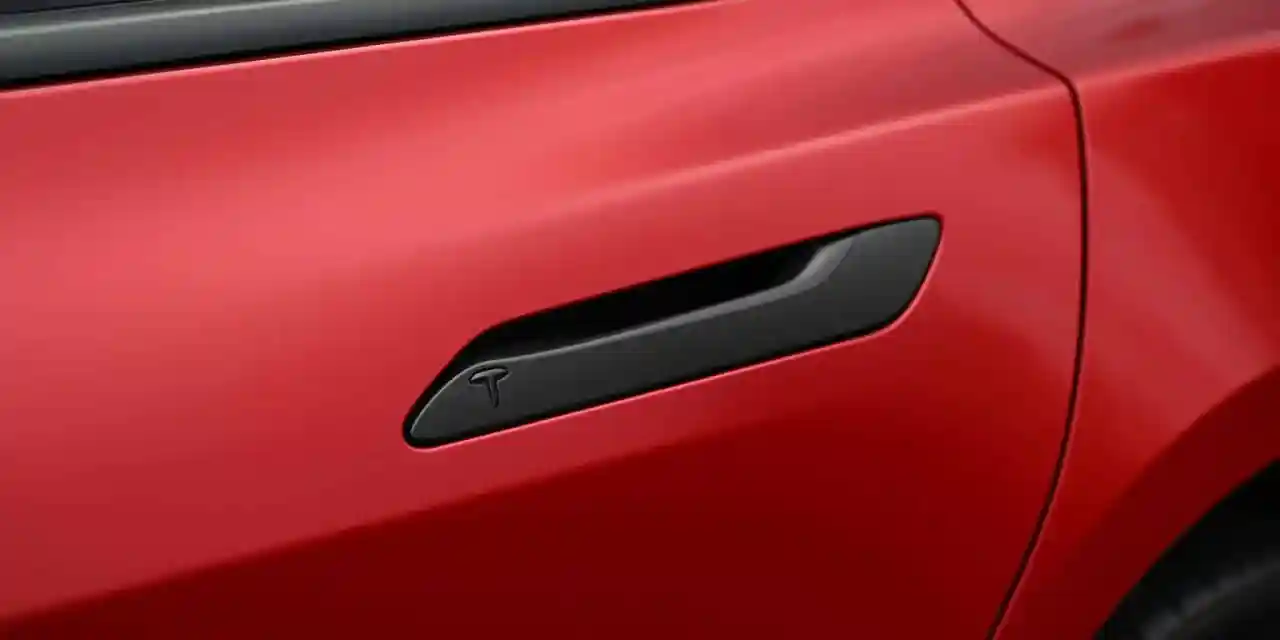
- Tesla: The Model 3 and Model Y "press-and-pull" handles are currently under fire as they lack a traditional exterior mechanical grip. Tesla has already stated it will implement changes specifically for the Chinese market.
- Xiaomi: The SU7 was a catalyst for this ban following accidents in Chengdu where doors remained locked during fires.
- Premium Brands: Models from Nio, Xpeng, Zeekr, and even European imports like the BMW iX3 and Mercedes EQ series will require significant door-panel redesigns.

The Industry Ripple Effect
China is the world's largest EV market and exporter. While this is a domestic law, it will likely become a global standard. Manufacturers are unlikely to build two separate door architectures for "China" and "Rest of World" due to the cost—which experts estimate could exceed $16 million per model for a platform redesign.
We are already seeing the shift: brands like BYD and Geely have started reverting to "semi-hidden" or traditional handles on their newest 2025 and 2026 releases in anticipation of this ruling.

Fact Check: What Other Outlets are Saying
I’ve cross-referenced the reporting from major automotive and tech outlets to ensure our data is tight. Here’s the consensus:
- Bloomberg / CNA: Confirm the Jan 1, 2027 start date and the Jan 1, 2029 grace period for existing models. They emphasize that China is now "setting the global rules" rather than just following them.
- Electrek / InsideEVs: Highlight the "Tesla impact," noting that while Tesla popularized the trend in 2012 with the Model S, they are now the primary target of the redesign requirements.
- TechNode / Sixth Tone: Reported on the specific "Xiaomi SU7 incidents" in Chengdu and Tongling as the primary drivers for the rapid legislative turnaround.
- Drive (Australia): Notes that "semi-concealed" handles (the ones with a fixed flip-up lever or a permanent hole) may still be legal as long as they meet the new 6cm x 2cm "hand operating space" requirement.
The Verdict: The era of "form over function" for EV doors is officially ending. This is a win for common-sense safety, even if we lose a bit of that "futuristic" look on the track and street. What do you guys think?